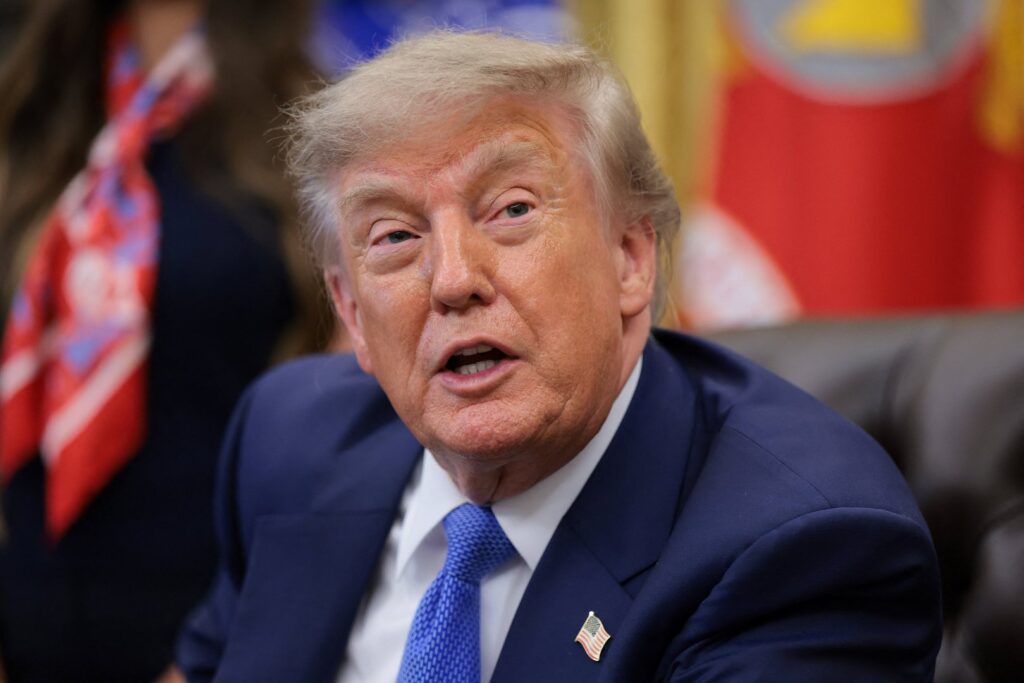
In a striking declaration, President Donald Trump announced his intention to demand compensation from Iran for the casualties resulting from the ongoing conflict between the United States and Iran. According to Trump, the compensation would cover individuals who have been killed or wounded during the hostilities involving the US military operations against Iran. This statement highlights a new development in the tense relationship between the two countries, centering on accountability and reparation for losses suffered.
The announcement came amid heightened tensions and ongoing disputes over regional influence and security concerns in the Middle East. President Trump’s demand underscores a shift toward seeking financial redress from Tehran, moving beyond traditional diplomatic and military responses.
Experts note that such a demand would be unprecedented, reflecting an escalation in the political and diplomatic confrontation. If pursued, it could further strain already fragile relations between Washington and Tehran, impacting international diplomacy efforts.
The US administration has previously imposed various sanctions targeting Iran’s economic and military capabilities. Now, the call for direct compensation aims at addressing the human cost of the conflict, suggesting a new dimension to the US policy toward Iran.
Iranian officials have yet to respond publicly to President Trump’s compensation demand, but the move is expected to be met with strong opposition, given the ongoing antagonism between the two nations.
The broader implications of this demand include potential ramifications for international law and conflict resolution practices. Compensation claims emerging from military conflicts often involve complex legal and political considerations, and this case could set new precedents.
Moreover, the impact of this announcement reverberates beyond the bilateral relationship, touching on global perspectives regarding conflict accountability and reparative justice.
As the situation unfolds, stakeholders from governments, international organizations, and legal bodies will be closely monitoring any developments. The next steps taken by both the US and Iran will be crucial in determining whether this demand for compensation leads to negotiations, escalations, or shifts in strategy.
This announcement illustrates the challenges of conflict resolution in an era of heightened geopolitical rivalries and underscores the importance of accountability for human tragedy resulting from warfare. The coming weeks may reveal whether this demand translates into tangible actions and how it will influence the trajectory of US-Iran relations moving forward.