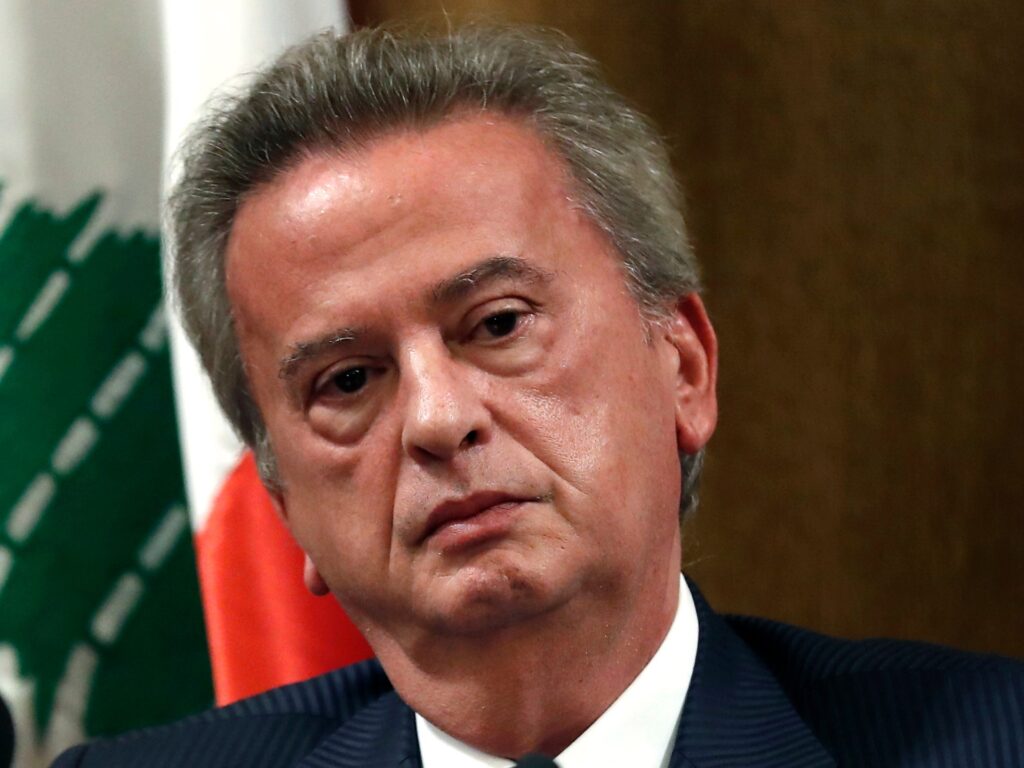
Lebanon has reportedly filed a new lawsuit against its former central bank chief, Riad Salameh, amid rising allegations of financial misconduct. According to judicial sources, Salameh, who served at the helm of the Lebanese central bank for several years, now faces an indictment over alleged financial crimes. This development marks a significant escalation in the government’s efforts to address the country’s ongoing financial crisis and hold accountable those responsible for mismanagement.
Riad Salameh has long been a controversial figure in Lebanon’s economic and political landscape. His tenure as the governor of the central bank was marked by both praise and criticism, with many lauding his attempts to stabilize the Lebanese pound in times of turmoil, while others accused him of lack of transparency and facilitating corruption.
The fresh lawsuit adds to a series of legal challenges Salameh has faced in recent years, as Lebanon continues to unravel from a crippling economic collapse that began in 2019. The nation has been grappling with severe shortages of basic goods, hyperinflation, and a collapsing banking sector, issues that some experts attribute partly to governance failures within the central bank.
Judicial insiders reveal that the new charges against Salameh are tied to alleged embezzlement and financial fraud, although specific details remain under investigation. Authorities are reportedly seeking accountability for the misappropriation of public funds and improper financial practices during his leadership.
This lawsuit coincides with increased public outcry and demands for transparency and reform in Lebanon’s financial institutions. Civil society groups and opposition politicians have welcomed the legal actions as necessary steps towards justice and economic recovery.
Salameh, a seasoned commercial banker prior to his role at the central bank, has consistently denied any wrongdoing. His legal defense argues that the accusations lack concrete evidence and that the central bank’s policies were implemented under challenging circumstances, including political pressures and external economic shocks.
Experts caution that while legal proceedings against high-profile figures like Salameh are critical for restoring trust, the broader path to reform will require systemic changes across Lebanon’s financial and political systems.
As investigations continue, Lebanon’s judicial system faces intense scrutiny to ensure impartiality and effectiveness. The outcome of this lawsuit could have lasting implications for the country’s efforts to attract foreign investment and regain financial stability.
The international community remains watchful, emphasizing the importance of rule of law and good governance in Lebanon’s ongoing recovery process. This latest legal action against a former central bank chief marks a pivotal moment in the country’s tumultuous economic saga, highlighting the urgent need for accountability and reform.