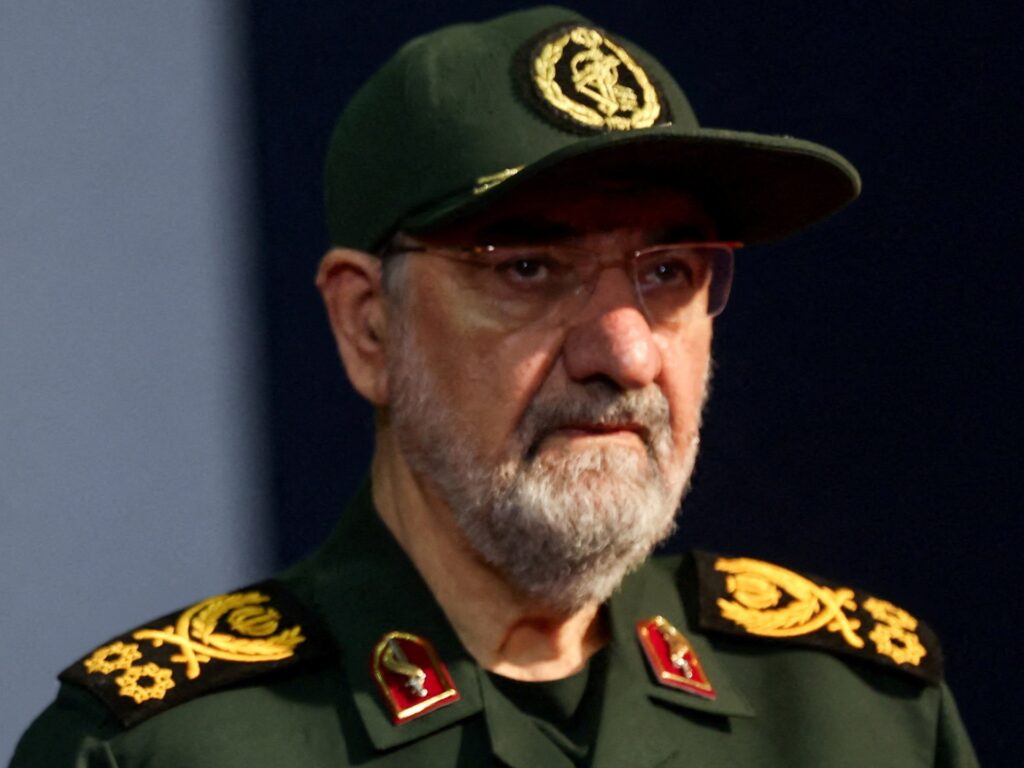
In a significant move signaling a consolidation of power within Iran’s political and military hierarchy, the office of the Supreme Leader has recently appointed a veteran member of the Islamic Revolutionary Guard Corps (IRGC) to a critical security position. This appointment comes amid broader efforts to strengthen Iran’s internal security apparatus by placing trusted and experienced figures in roles of influence.
The new security chief, whose background is deeply rooted in the IRGC, is expected to play a pivotal role in shaping Iran’s security policies and strategies. The IRGC has long been a central pillar in Iran’s defense and political system, wielding considerable influence over military, intelligence, and domestic security matters.
Alongside the appointment of this key security figure, the Supreme Leader’s office has also established war commanders in prominent positions. These commanders are tasked with overseeing strategic military operations and ensuring preparedness in the face of both regional and international challenges. Their elevated roles signify an intention to streamline command structures and enhance the responsiveness of Iran’s military forces.
This consolidation effort reflects ongoing concerns within Iran’s leadership about external threats and internal stability. By elevating trusted IRGC veterans and empowering war commanders, the Supreme Leader aims to ensure that national security decisions are centralized and closely aligned with the regime’s ideological and strategic objectives.
Analysts view these developments as part of a broader trend within Iran toward tightening control over security and military forces amid increasing geopolitical tensions. The IRGC’s enhanced role reinforces its position not only as a military entity but also as a key player in Iran’s political landscape.
The appointment of the new security chief and the empowerment of war commanders are also seen as moves to bolster Iran’s deterrence capabilities. These leaders bring extensive experience from decades of conflict and strategic planning, which is critical as Iran navigates complex relations with global powers and regional adversaries.
In summary, the recent appointments within Iran’s security hierarchy mark a strategic consolidation of power by the Supreme Leader, aimed at reinforcing regime stability and enhancing military effectiveness. The elevation of IRGC veterans and war commanders is expected to have lasting impacts on Iran’s security posture and its approach to both internal governance and external defense challenges.