In the escalating tensions surrounding the Iran conflict, US President Donald Trump has made a significant announcement regarding the strategic Hormuz Strait. Despite the ongoing war efforts, Trump asserts that the Hormuz Strait, a critical maritime route for global oil transportation, remains open and accessible, countering concerns about potential blockades or disruptions caused by hostilities.
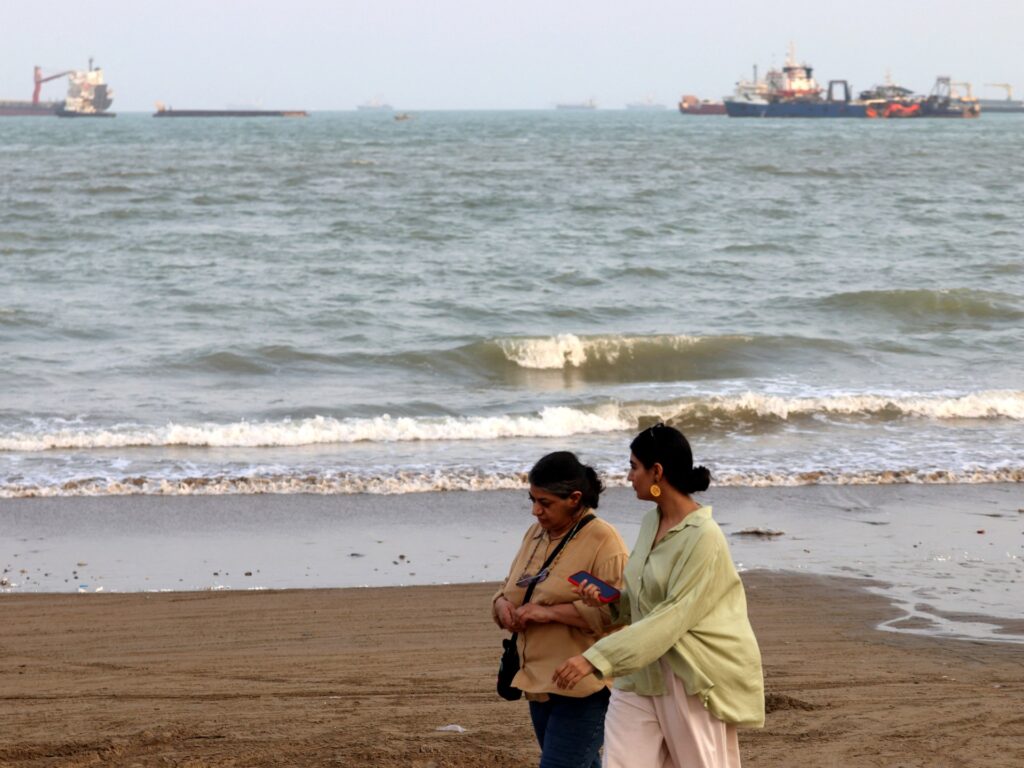
The Hormuz Strait, connecting the Persian Gulf to the Gulf of Oman and the Arabian Sea, is vital for the movement of oil exports from Iran and several other Gulf countries. Control and security of this narrow waterway have profound implications for international energy markets and global economic stability.
Trump’s statement aims to reassure markets and allies that, amid the conflict, vital shipping lanes have not been compromised. This declaration is particularly important given prior threats from Iranian forces hinting at possible closure or interference with maritime traffic through the strait.
Simultaneously, President Trump declared his administration’s intention to pursue compensation from Iran for losses incurred during the conflict. This move signals a continued hardline stance from the US regarding Iran’s actions and their consequences, reflecting an effort to hold Tehran accountable for casualties and damages related to the war.
The demand for compensation follows increased hostilities and casualties reported in the ongoing conflict, both military and civilian. It underscores the US position that Iran’s conduct has resulted in tangible harm that warrants legal and financial redress.
Experts analyzing Trump’s statements suggest these developments may further complicate diplomatic relations between the two nations, potentially affecting future negotiations or peace efforts. Moreover, by emphasizing the Hormuz Strait’s open status, the US seeks to stabilize energy markets and avoid panic-induced price volatility amid military conflict.
The international community continues to watch the situation closely, as the conflict’s outcomes bear significant consequences for regional security and global economic interests. Allies of the US have expressed support for measures ensuring the safe passage of commercial vessels through the strait and backing efforts to hold Iran responsible for escalation.
Iran, meanwhile, has condemned US actions and rhetoric, maintaining its sovereignty and right to defend its interests in the region. Iranian officials have warned against further interference and have hinted at possible retaliatory measures, raising concerns about the potential for broader escalation.
As diplomatic, economic, and military dynamics evolve, the focus remains on preventing the conflict from spreading and maintaining critical lifelines like the Hormuz Strait open for peaceful use. The US administration’s dual approach of ensuring maritime access and seeking reparations signals a complex balancing act aimed at exerting pressure on Iran while mitigating wider disruption.
Observers note that the situation demands careful monitoring to gauge the impact of these statements and policies on the delicate geopolitical landscape of the Middle East. Any misstep could have ripple effects for global trade, energy security, and regional alliances.
In summary, the latest developments from the US President underscore the multifaceted nature of the Iran conflict: a strategic commitment to keeping vital shipping routes operational, coupled with a readiness to hold Iran financially accountable for the war’s human and material costs, all amid a tense and highly fluid international environment.