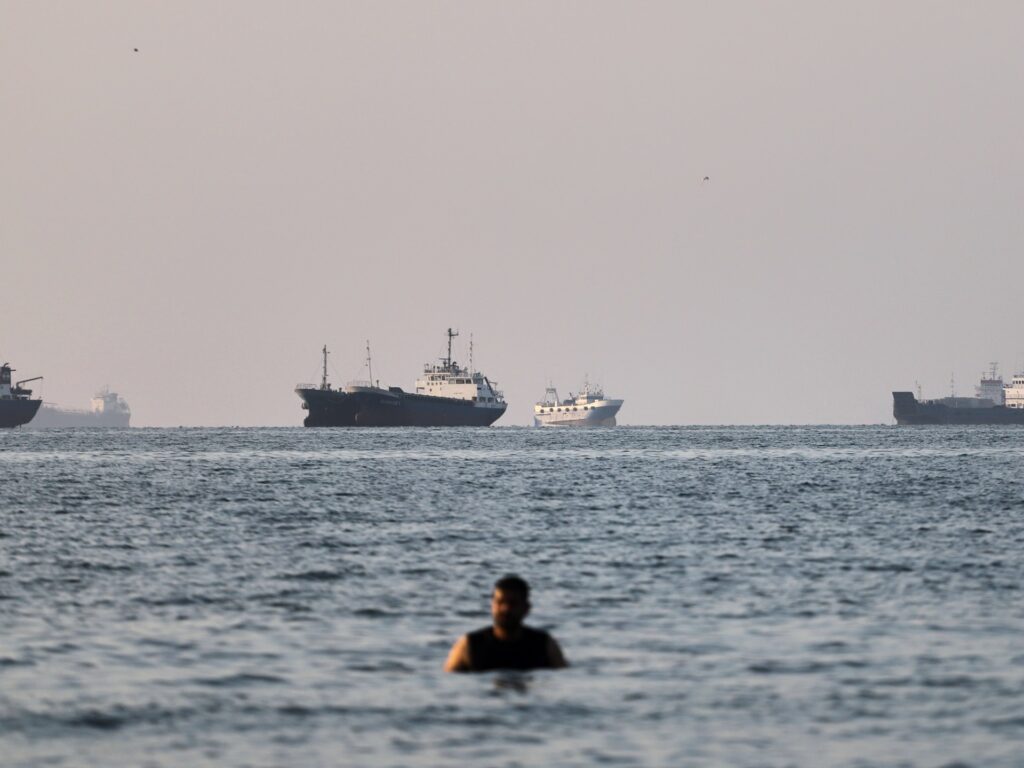
A tanker caught fire in the Strait of Hormuz after being struck by a projectile off the coast of Oman, raising tension in one of the world’s most critical maritime chokepoints. According to Iran’s state television, the tanker ignored several warnings before the attack occurred, though the broadcaster did not directly attribute responsibility for the incident to any party.
The Strait of Hormuz is an essential passageway through which a significant portion of the global oil supply transits, making any disruption potentially impactful on international energy markets. This latest attack adds to a series of similar incidents in the region, which have heightened geopolitical concerns.
Details about the tanker, including its nationality, type, and cargo, have not been fully disclosed, though initial reports indicate the fire erupted following the projectile strike. Emergency response teams were reportedly dispatched to contain the blaze and assist the crew.
Iran’s TV coverage emphasized the warnings issued to the vessel, suggesting that the tanker did not comply with maritime protocols or regional advisories, which may have contributed to the incident. However, official statements from Iran have not explicitly claimed responsibility or blamed any external actors.
International maritime authorities and neighboring countries are closely monitoring the situation, given the strategic importance of the Strait of Hormuz and its vulnerability to conflict or sabotage. The incident has prompted calls for heightened security measures to ensure the safe passage of commercial vessels through the area.
This event occurs amid a broader context of regional tensions involving Iran and other stakeholders in the Gulf, where incidents involving tankers have periodically occurred over recent years. The international community continues to urge restraint and adherence to international maritime law to prevent escalation.
In response to the fire, safety protocols have been activated, and investigations are underway to determine the full circumstances surrounding the attack. The tanker’s crew’s condition remains unclear, and rescue operations continue.
The economic implication of the attack could be significant if it leads to disruptions in oil shipments or affects shipping insurance premiums. Markets may react to the heightened risk in the area until the situation stabilizes.
Maritime security experts highlight the need for collaborative efforts among Gulf nations and international partners to secure vital sea lanes and prevent future such incidents. Ensuring freedom of navigation is crucial for global trade and energy security.
In summary, the projectile strike on a tanker in the Strait of Hormuz has sparked a serious security concern with wide-reaching implications. While Iran’s state media points to non-compliance by the vessel as a factor, no party has claimed direct responsibility, leaving details murky as investigations continue. The incident underscores the ongoing volatility in the region and the critical importance of maintaining peace and security in maritime domains.