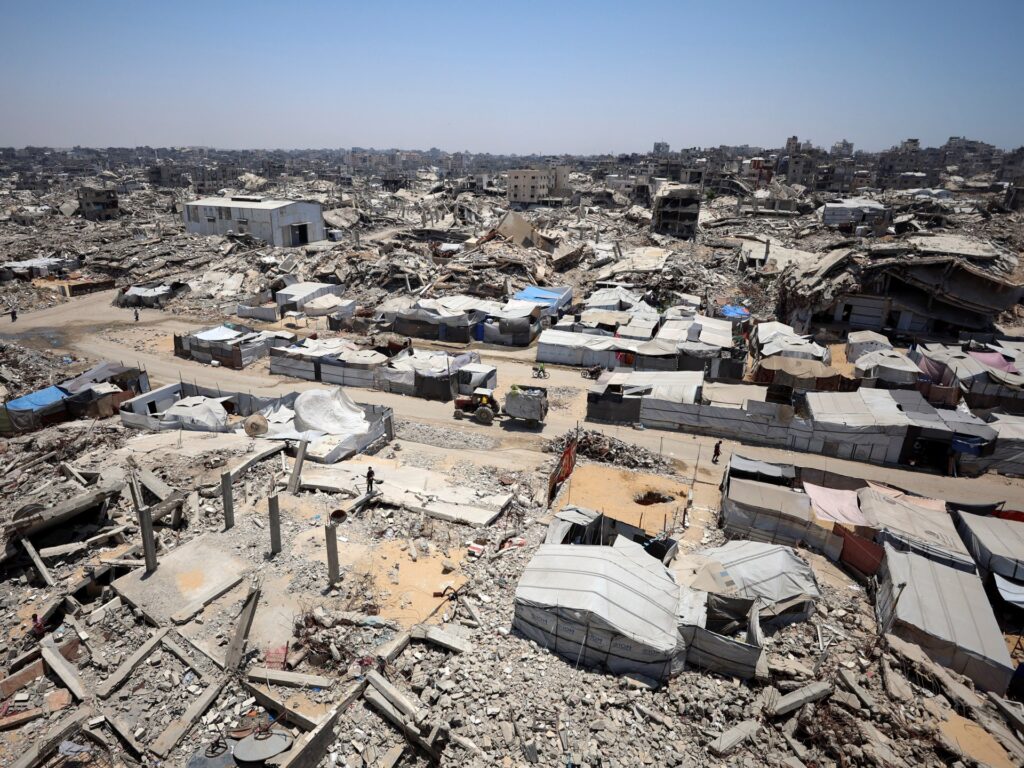
Gaza recently marked a deeply troubling milestone: 1,000 days of continuous conflict described by many as a genocidal war waged by Israel. Since the declared ceasefire in October, the region has witnessed at least 1,072 deaths, underscoring the ongoing humanitarian crisis that continues to devastate the population.
This prolonged period of violence has left Gaza in a state of profound suffering. The term “genocide” reflects the severe impact on civilians, with widespread destruction of homes, infrastructure, and essential services. The international community remains divided, with calls for urgent action to halt the bloodshed and provide relief to the affected people.
Despite numerous ceasefire attempts and international diplomatic efforts, the conflict’s root causes remain unresolved. Political tensions, territorial disputes, and deep-seated animosities perpetuate the cycle of violence, leaving ordinary Gazans to bear the brunt of the war.
The lethal toll since the October ceasefire includes men, women, and children, highlighting the indiscriminate nature of the conflict. Hospitals and schools have been sites of attacks, leading to further outrage and condemnation worldwide.
Humanitarian organizations face immense challenges in delivering aid due to restricted access and ongoing hostilities. The blockade of Gaza exacerbates shortages of food, medical supplies, and clean water, contributing to a mounting public health crisis.
Many activists and observers describe the situation as a slow-motion genocide, where gradual attrition and blockade policies amount to the systematic destruction of the population’s well-being and rights.
The psychological trauma endured by Gaza’s residents is immeasurable, with generations growing up amidst violence and instability. Children living through this conflict face disrupted education and constant fear, affecting their future prospects.
International bodies such as the United Nations and the International Criminal Court have called for independent investigations into potential war crimes and violations of international law. However, enforcement and accountability remain elusive amid complex geopolitical interests.
The daily realities in Gaza include power outages, lack of medical care, limited mobility, and economic collapse. Yet, amidst this despair, stories of resilience and solidarity emerge, as communities strive to rebuild and support one another.
Global advocacy campaigns continue to raise awareness about the humanitarian crisis in Gaza, urging governments to take concrete steps toward a just and lasting peace. Efforts focus on lifting blockades, ensuring humanitarian access, and promoting dialogue.
The 1,000-day mark is a sobering reminder of the human cost of prolonged conflict. It calls for renewed commitment from all stakeholders to seek peaceful solutions and uphold the rights and dignity of Gaza’s people.
As the world watches, the hope remains that this devastating chapter will end, paving the way for reconciliation and healing in the region. Until then, the people of Gaza endure a daily struggle for survival and justice amid the shadows of war.