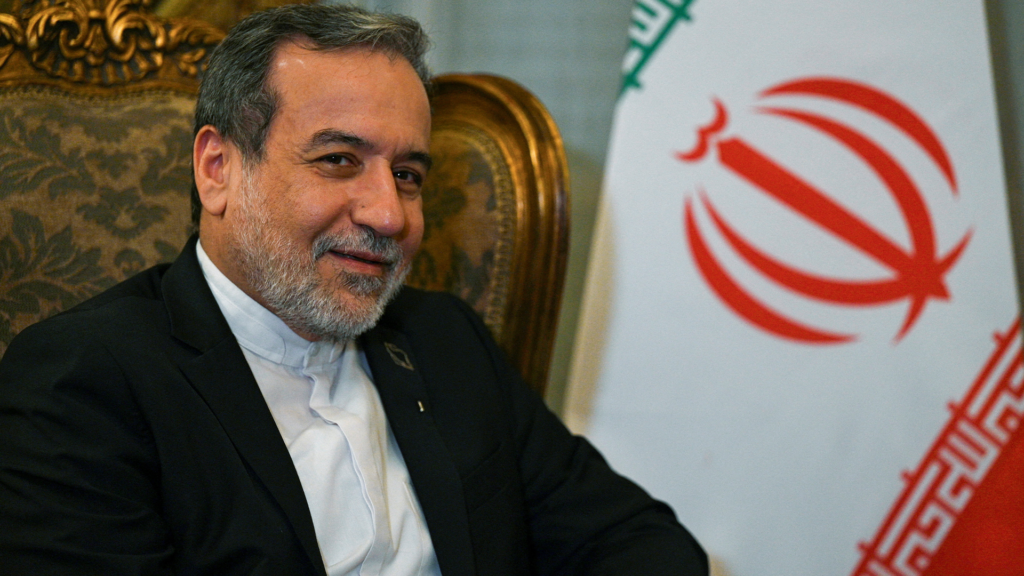
Iran has publicly mocked the United States’ newest round of sanctions, with Abbas Araghchi, a senior Iranian official, dismissing the measures as repetitive and ineffective. Araghchi stated that the anticipated US sanctions, expected to be announced on Monday, resemble “watching the same movie on repeat,” highlighting Iran’s frustration and skepticism toward the ongoing pressure from Washington.
This criticism signifies Tehran’s hardened stance against what it perceives as unjust and unsuccessful attempts to isolate Iran economically and politically. The sanctions targeted by the US typically aim to curb Iran’s nuclear program and limit its regional influence, but Tehran argues these measures only serve to deepen hostility and disrupt diplomatic efforts.
The US sanctions often include restrictions on key sectors such as oil exports, banking, and military capabilities, aiming to cut off resources that could fund activities perceived as destabilizing by the US government. Iran’s response, however, underscores its resilience and willingness to endure economic hardships while continuing its policies and international negotiations.
Araghchi’s comments reflect a broader sentiment within the Iranian leadership, which views the sanctions as predictable and ultimately futile, failing to bring the US closer to any meaningful dialogue or compromise. Instead, these cycles of sanctions and responses contribute to strained relations, increased tensions in the Middle East, and uncertainties about the future of international agreements like the Joint Comprehensive Plan of Action (JCPOA).
The US administration’s strategy of imposing sanctions frequently aligns with its broader foreign policy goals in the region, attempting to leverage economic pressure to achieve strategic results. Conversely, Iran’s public dismissal of these sanctions as a recurring and expected tactic signals a long-standing conflict of approaches, where economic measures are met with political defiance.
As the world watches, the upcoming sanctions announcement could either deepen the standoff or spur renewed talks, depending on diplomatic maneuvers by both Washington and Tehran. Meanwhile, Iran’s characterization of the situation as ‘‘the same movie on repeat’’ encapsulates the cyclical nature of US-Iran relations, marked by recurrent confrontations, negotiations, and stalemates.
The continued exchange of sanctions and countermeasures poses challenges not only for the bilateral relationship but also for regional stability and global economic dynamics, given Iran’s key role in energy markets. Regardless of the outcomes, Iran’s dismissive tone toward these new US actions sends a clear message of defiance and preparedness for a prolonged dispute.