The ongoing conflict involving Iran continues to escalate as pivotal negotiations and military actions unfold. Recently, US-Iran talks intended to address the war have faced delays, with discussions set to take place in Switzerland being pushed back. This development comes at a tense time, as Israel intensifies its military operations, conducting strikes in Lebanon that have further complicated the regional security situation.
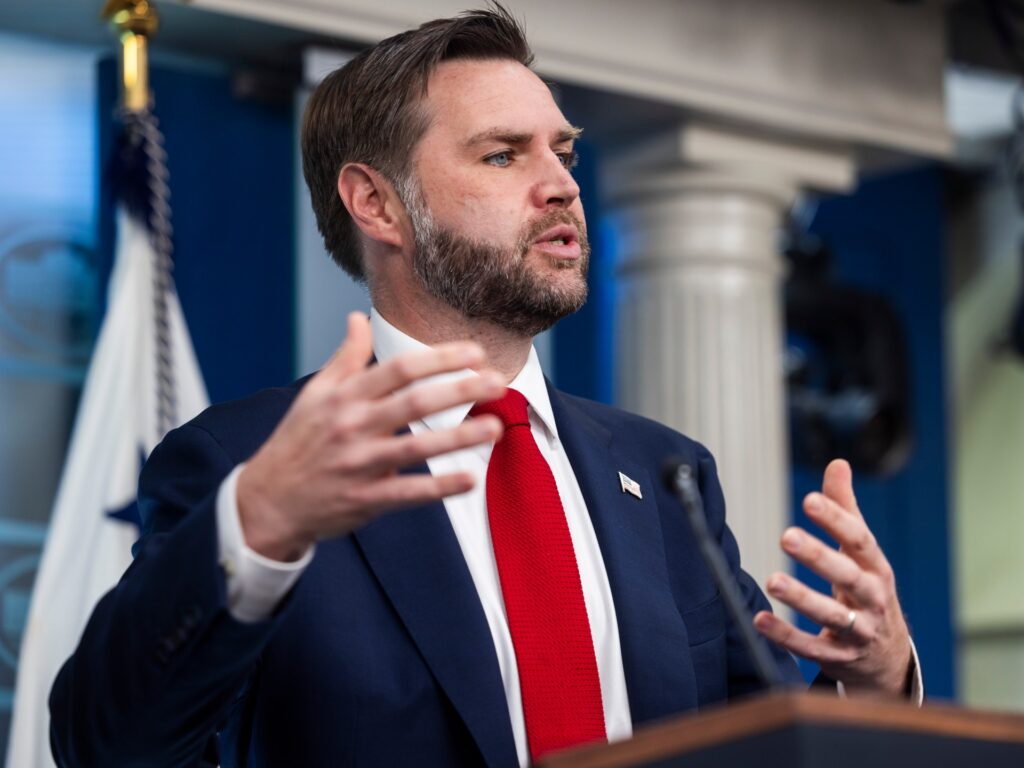
US Vice President has announced the commencement of a critical 60-day negotiation period between Washington and Tehran, following a recently signed agreement aimed at ending the war. This negotiation window is seen as an opportunity to explore diplomatic resolutions to the hostilities, although the delay in Swiss talks signals challenges ahead.
The delay in US-Iran talks may be influenced by various geopolitical dynamics, including the ongoing Israeli military campaign in Lebanon, which appears to be targeting Iranian-backed groups. Israel’s strikes have heightened fears of a broader regional escalation, with potential spillover effects beyond Lebanon’s borders.
The diplomatic efforts in Switzerland had been hoped to serve as a platform for dialogue and de-escalation. However, the postponement is emblematic of the complexities involved in mediating between long-standing adversaries with deeply entrenched positions.
On the ground, the situation remains volatile. The Israeli strikes in Lebanon have led to significant casualties and infrastructure damage, drawing international attention and calls for restraint. Hezbollah, the Lebanese militant group backed by Iran, has vowed retaliation, raising the specter of an intensified conflict.
Experts suggest the 60-day negotiation timeframe imposed by the US reflects a strategic approach to pressure Tehran into meaningful concessions while keeping diplomatic channels open. Nonetheless, the delay in talks and escalation in military actions underscore the fragile nature of peace efforts.
The international community watches closely as these developments unfold. There is a growing impetus for constructive engagement to prevent the conflict from expanding, threatening regional stability and global security.
In summary, the Iran war situation remains fraught with uncertainty. The delayed US-Iran talks in Switzerland, alongside Israel’s aggressive posture in Lebanon, highlight the multi-layered challenges confronting diplomacy and peace in the Middle East. The outcome of the negotiations in the coming weeks will be crucial for shaping the future of the region and determining whether a path towards resolution can be found amidst ongoing hostilities.