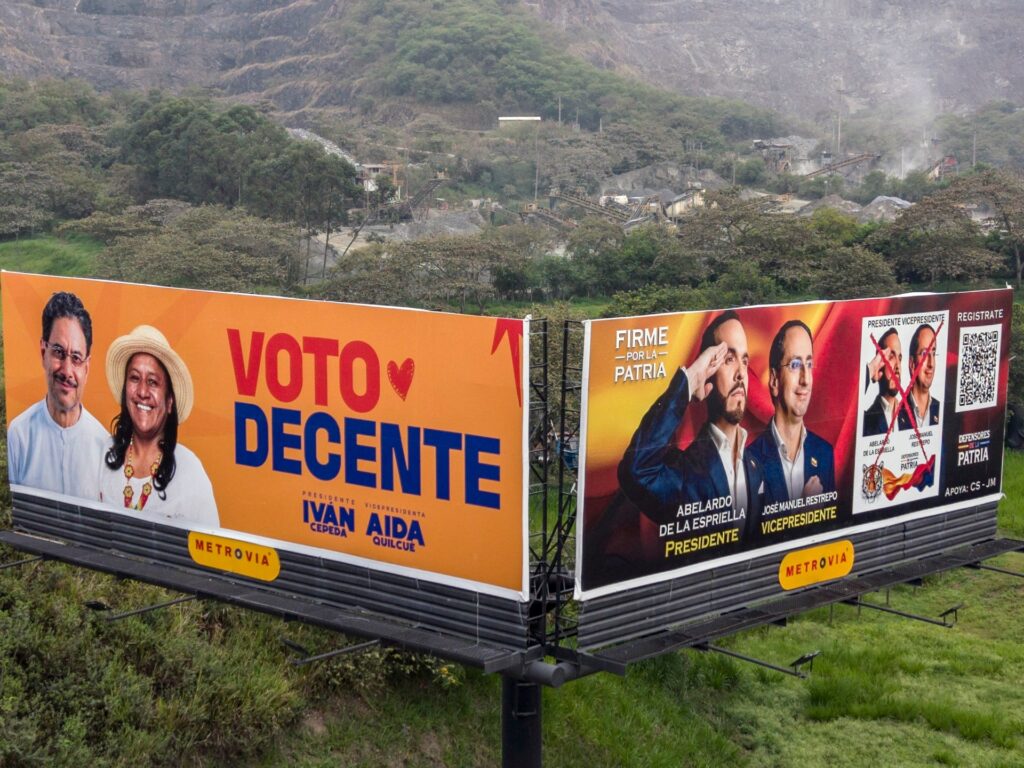
Colombia stands at a pivotal moment as it approaches its presidential run-off election, featuring two strikingly different candidates: Far-right Abelardo de la Espriella and leftist Ivan Cepeda. This election could define the country’s political direction for years to come, with voters facing a choice between continuity and profound change.
Abelardo de la Espriella represents a continuation of conservative policies. Known for his far-right stance, de la Espriella champions tough law-and-order measures aimed at curbing Colombia’s long-standing issues with crime and insurgency. His platform appeals to voters who desire stability, security, and economic policies that favor free-market mechanisms. His supporters argue that these policies will foster growth and protect the nation’s interests on the global stage.
In sharp contrast, Ivan Cepeda offers a platform of progressive reform. A leftist candidate, Cepeda emphasizes social justice, wealth redistribution, and reconciliation after decades of conflict. His campaign focuses on expanding social programs, improving access to education and healthcare, and addressing rural inequality. Cepeda advocates for peace-building efforts and policies aimed at sustainable development and environmental protection.
The election is not just a contest between two candidates but a choice between very different visions of Colombia’s future. De la Espriella’s approach appeals to voters who prioritize security and economic liberalization, while Cepeda attracts those who seek social equity and transformative change.
Historically, Colombia’s elections have been influenced by concerns over armed conflict and drug trafficking, issues deeply embedded in its socio-political fabric. Recent years have seen reduced violence but persistent challenges, including corruption and inequality.
Election observers stress the importance of voter turnout in determining the election’s outcome and the democratic legitimacy of the process. Both campaigns are mobilizing their bases aggressively, with many Colombians keenly aware of the stakes involved.
As international observers and local analysts watch closely, the outcome of this run-off election could either reinforce current policy directions or herald a shift towards a more inclusive and socially driven agenda.
The world watches as Colombia decides whether to maintain course or embark on a new path toward change, making this election one of critical importance in the country’s history.