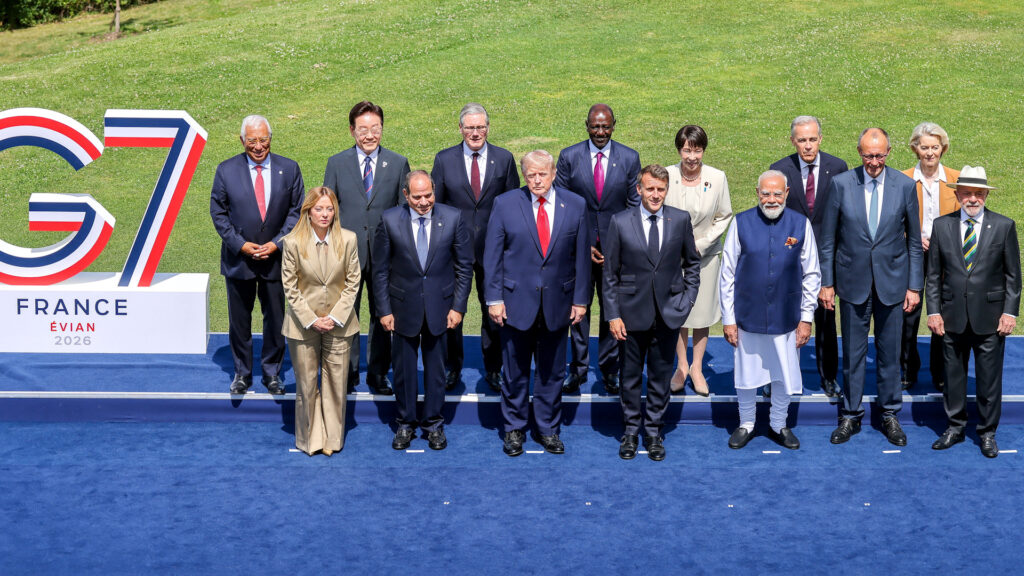
The recent G7 summit held in France was marked by significant attention towards the ongoing crises in Iran and Ukraine, which emerged as the dominant topics of discussion among the world’s leading industrialized nations. The summit, which took place over several focused days, brought together leaders from Canada, France, Germany, Italy, Japan, the United Kingdom, and the United States.
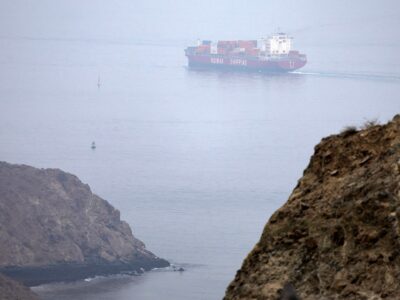
Iran’s situation remained a critical point due to escalating tensions in the Middle East, concerns over its nuclear program, and the overall stability of the region. The G7 leaders emphasized the need for a diplomatic approach to address these challenges, while also reaffirming their commitment to prevent the proliferation of nuclear weapons and encourage peaceful resolutions. Sanctions and economic measures were discussed as tools to influence Iran’s policies, but a consensus on direct action remained cautious and measured.
The Ukraine crisis, on the other hand, garnered unanimous support for the country’s sovereignty and territorial integrity. Following Russia’s invading actions, the G7 countries reiterated their condemnation of aggression and pledged continued aid, both humanitarian and military, to assist Ukraine in defending itself. Discussions also highlighted the long-term consequences of the conflict on global security and the international order.
Other topics at the summit included economic recovery post-COVID-19, climate change commitments, and the global supply chain crisis. However, the intensity of the Iran and Ukraine issues overshadowed these agenda items, driving much of the summit’s policy announcements and communiqués.
In conclusion, the G7 summit in France underscored the critical global challenges represented by Iran and Ukraine, setting the stage for ongoing international engagement. The outcomes signal a cohesive yet cautious approach by the world’s major economies towards maintaining security and promoting peaceful solutions amidst complex geopolitical tensions.