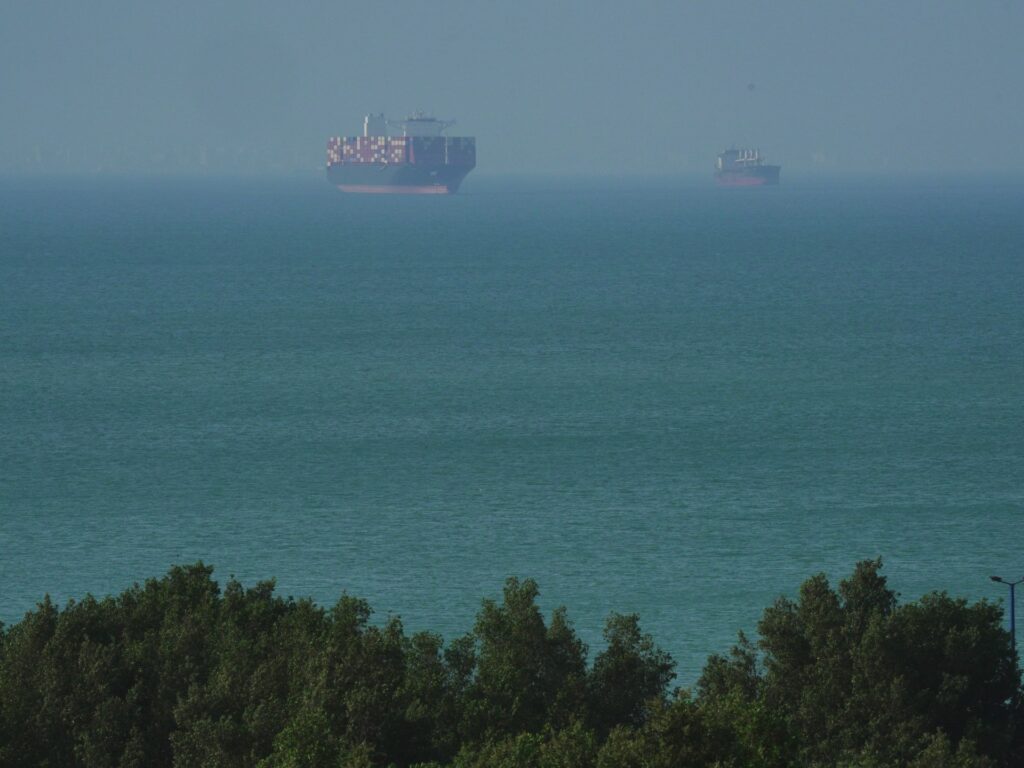
The strategic Strait of Hormuz has become the epicenter of heightened tensions and military confrontations as US strikes continue to target Iran following multiple attacks on maritime vessels. Key locations affected include Qeshm Island and Hormuz, critical points in the Persian Gulf, which have seen marked escalation in hostilities.
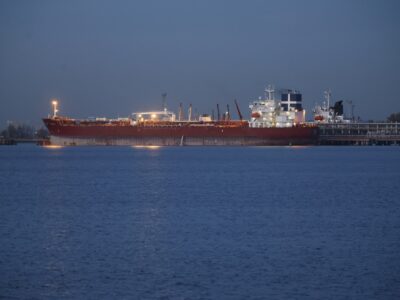
Recent incidents in the narrow passage, through which a significant portion of the world’s oil supply transits, have involved attacks on commercial and strategic ships. These aggressive actions have sparked concern over regional stability and prompted retaliatory measures by the United States.
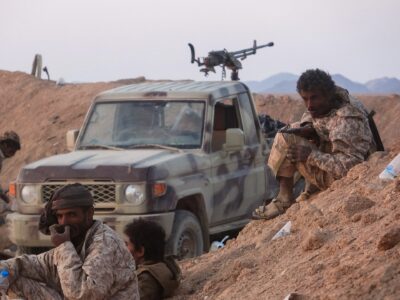
The US military has conducted a series of strikes aimed at Iranian-backed forces believed to be responsible for the assaults on vessels navigating the Strait. These strikes underline the US commitment to safeguarding international maritime routes and maintaining free passage, crucial for global energy security.
Diplomatic circles have become increasingly active, with mediators from various nations attempting to reduce the risk of full-scale confrontation between the United States and Iran. These efforts focus on diplomacy to prevent further escalation, seeking dialogue channels to address the complex geopolitical tensions that have led to the present crisis.
Qeshm Island, Iran’s largest island in the Persian Gulf, and the proximate Hormuz area are significant due to their strategic positioning. Control and influence over these points offer substantial leverage over maritime traffic and military movements in the region.
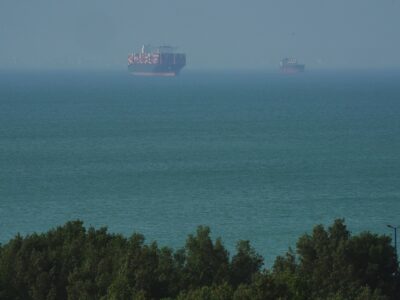
The attacks on ships have not only disrupted regional trade but have also heightened fears concerning the safety of international shipping lanes. This disruption could have broad implications for global oil markets, given the volume of crude oil that passes through the Strait daily.
Iran has denied involvement in some of the attacks despite evidence cited by US and allied intelligence agencies pointing to Iranian-backed groups. The conflicting narratives add to the complexity of resolving tensions peacefully.
Meanwhile, the United States has reiterated its position against Iran’s aggressive actions and stressed its readiness to respond to protect its interests and those of its allies. The US administration has been working closely with partner countries to monitor the situation and coordinate responses.
International stakeholders emphasize the importance of calm and measured responses to avoid an inadvertent military escalation that could spiral beyond control. The mediation efforts highlight a global desire to keep the Persian Gulf stable, recognizing the critical economic and security importance of the region.
As both sides appear locked in a cycle of attack and retaliation, the potential for further conflict looms large. The international community watches closely, hoping that continued diplomatic efforts will pave the way for de-escalation and a peaceful resolution to the crisis.
This developing situation underscores the fragile balance of power in the Middle East and the crucial role of diplomacy amid rising threats to international peace and security.