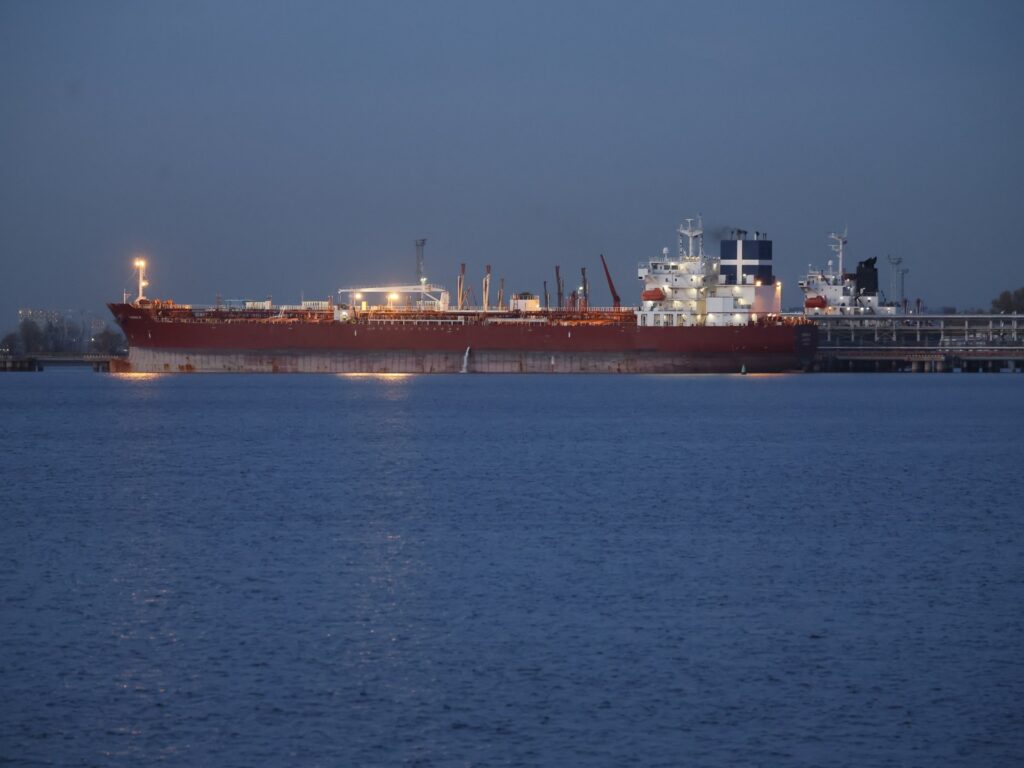
Recent developments in the global oil market have seen a sharp decline in the purchase of Russian diesel by international traders. This shift comes in the wake of a controversial deal between former US President Donald Trump and Russian President Vladimir Putin, which has sparked widespread concern and uncertainty among importers. Traders are increasingly wary of buying Russian diesel due to fears of potential legal repercussions. This apprehension is rooted in the complex geopolitical and regulatory environment surrounding energy trade, particularly with Russia’s involvement in various international conflicts and sanctions regimes.
As a direct result, zero shipments of Russian diesel have been recorded reaching the United States, marking a significant departure from previous trade flows. Tankers that would normally deliver Russian diesel to US ports are now diverting to alternative destinations, signaling a broader reevaluation of trade routes and partnerships. The reluctance of buyers to source Russian diesel is indicative of the intricate legal landscape companies must navigate, which includes compliance with sanctions and the risk of penalties from Western governments.
The Trump-Putin agreement, while not public in all its details, is believed to have influenced the implementation of sanctions and trade restrictions more stringently. Oil traders, operating in a high-stakes market environment, are opting to avoid the risk altogether by steering clear of deals that might implicate them in politically sensitive transactions. This phenomenon further complicates the energy supply chain and has potential ripple effects on global diesel prices and the availability of refined products.
Industry experts note that the move away from Russian diesel highlights the broader challenge faced by global markets in balancing economic interests with geopolitical considerations. The situation underscores the evolving nature of international energy trade, where legal frameworks and diplomatic relations profoundly impact commercial decisions. The avoidance of Russian diesel by traders may also accelerate diversification efforts, with countries and companies seeking more stable and less politically contentious sources of fuel.
In summary, the refusal of oil traders to buy Russian diesel following the Trump-Putin deal exemplifies how geopolitical developments can swiftly alter trade patterns. With the US market entirely bypassing Russian suppliers and tankers rerouting shipments, the global diesel supply chain is undergoing significant changes. The ongoing uncertainty and legal risks associated with Russian energy imports are compelling market participants to rethink their strategies, emphasizing caution and regulatory compliance in an increasingly complex international landscape.