India has recently witnessed a significant displacement as hundreds of undocumented migrants flee the country in response to an intensified crackdown by authorities. This enforcement action, aimed at curbing illegal immigration, has created uproar among migrant communities and raised human rights concerns.
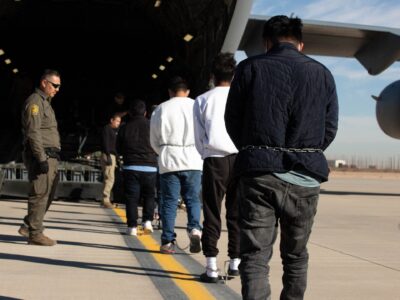
The crackdown, initiated by the Indian government in major urban centers and border areas, targets individuals lacking valid documentation. Authorities are conducting rigorous checks, raids, and detentions to identify and deport migrants living without legal status.
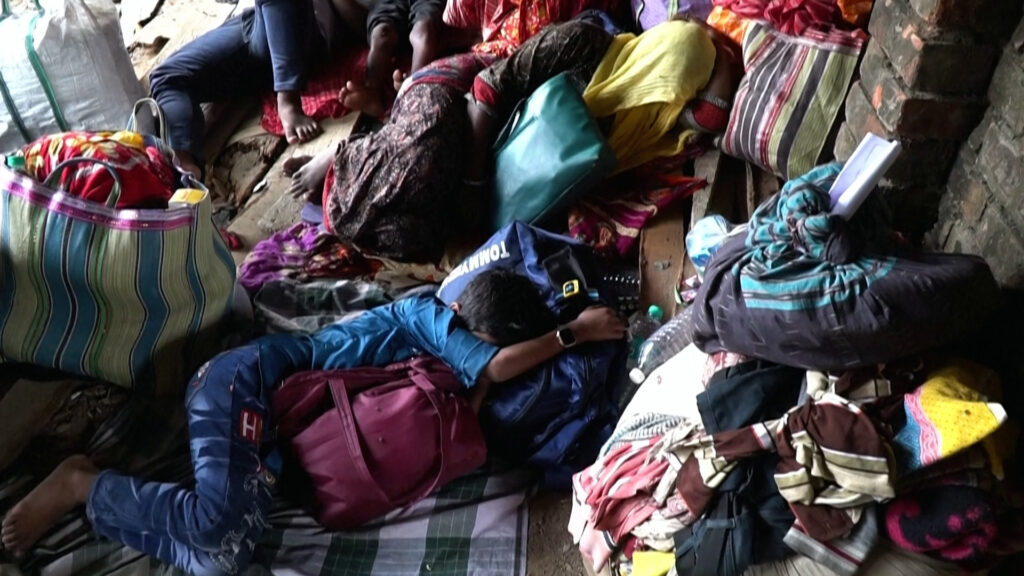
Reports indicate that these operations have resulted in mass panic among migrant populations, compelling many to escape to neighboring countries or go into hiding within India. The affected migrants include individuals from neighboring South Asian countries who seek better economic opportunities but face legal hurdles in India.
Human rights groups have criticized the crackdown, calling for humane treatment of migrants and procedural fairness. They emphasize the need to protect vulnerable populations from exploitation and abuse during enforcement activities.
Economists and social scientists warn that aggressive anti-migrant policies could disrupt local economies reliant on migrant labor, especially in agriculture, construction, and domestic work sectors. Migrants contribute significantly to India’s informal economy and supply chain systems.
The government, however, defends the measures, citing national security, demographic management, and legal compliance as key reasons. Officials argue that undocumented migrants strain public services and pose challenges for urban planning and social integration.
This situation highlights the complex balance between sovereign immigration control and the rights and welfare of migrants. It underscores the necessity for comprehensive policies that manage migration humanely while addressing security and development concerns.
As the situation evolves, international observers and regional partners have called for dialogue and cooperation to ensure orderly and humane management of migration flows. They stress the importance of legal pathways and protection mechanisms for migrants alongside enforcement.
Overall, the ongoing crackdown on undocumented migrants in India has sparked a multi-dimensional crisis involving humanitarian, economic, legal, and political factors. The outcome of this enforcement phase will likely shape the country’s migration landscape and its regional relations in South Asia for years to come.