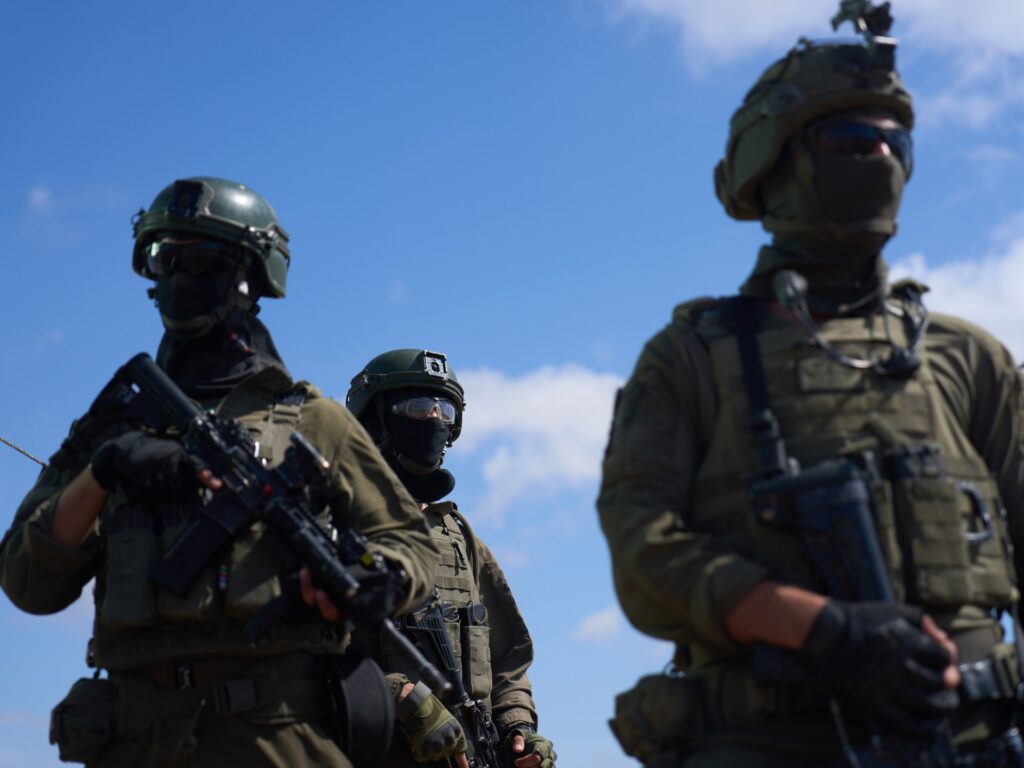
The United Nations has recently added Israel to a blacklist for involvement in conflict-related sexual violence, marking a significant development in international accountability efforts. This move reflects the UN’s increasing focus on addressing sexual violence as a weapon of war and holding parties responsible for such acts accountable on a global stage.
The decision was met with immediate backlash from Israel. The Israeli ambassador to the UN announced that Tel Aviv intends to sever ties with UN Secretary-General Antonio Guterres in response to the upcoming report that includes Israel on the blacklist. This diplomatic dispute underscores the sensitivity and complexity surrounding the UN’s efforts to document and respond to abuses during conflicts.
Sexual violence in conflict zones remains one of the most egregious violations of human rights. The UN’s blacklist is a strategic tool designed to increase pressure on parties involved in such conduct to prevent future occurrences and to promote justice for victims.
Israel’s inclusion on the list pertains to alleged incidents linked to ongoing conflicts in disputed areas. While details of the report remain under wraps pending its full release, the announcement has already sparked widespread international commentary and debate.
Critics of the UN’s move argue that the blacklist could be politically motivated and may affect peace negotiations and diplomatic relations in the region. Supporters contend that addressing sexual violence transparently is essential to long-term peace and security.
The Israeli government’s decision to cut diplomatic ties with the UN chief signals a potential escalation in tensions between Israel and the United Nations. It remains to be seen how this will impact Israel’s participation in international forums and cooperation on other global issues.
This development brings renewed attention to the broader issue of conflict-related sexual violence worldwide. The UN continues to call for increased international efforts to combat such crimes and to support survivors.
As the full report is anticipated, the international community watches closely to gauge the implications for regional stability and human rights advocacy. The UN’s stance marks a critical moment in its ongoing mission to enforce accountability and promote peace in conflict-affected areas.