Uganda has confirmed three new cases of Ebola virus disease, bringing the total number of confirmed cases in the country to five. Among the newly identified cases is a driver who transported the country’s first confirmed Ebola patient. Additionally, a health worker has also tested positive for the virus, highlighting the ongoing risk faced by medical personnel during the outbreak.
The confirmation of these new cases has intensified concerns about the spread of Ebola within Uganda and the challenges involved in containing the outbreak. Health authorities have been working diligently to trace contacts and implement measures to prevent further transmission.
This development underscores the critical importance of surveillance, rapid response, and the protection of frontline workers who are at increased risk of exposure. The driver’s infection suggests potential gaps in quarantine or transportation protocols, prompting reviews of safety measures for individuals involved in the movement of patients.
Ebola virus disease, known for its severe symptoms and high fatality rate, requires immediate intervention to prevent outbreaks. Uganda’s health ministry, in collaboration with international partners, has been deploying resources to manage the situation, including contact tracing, community sensitization, and treatment support.
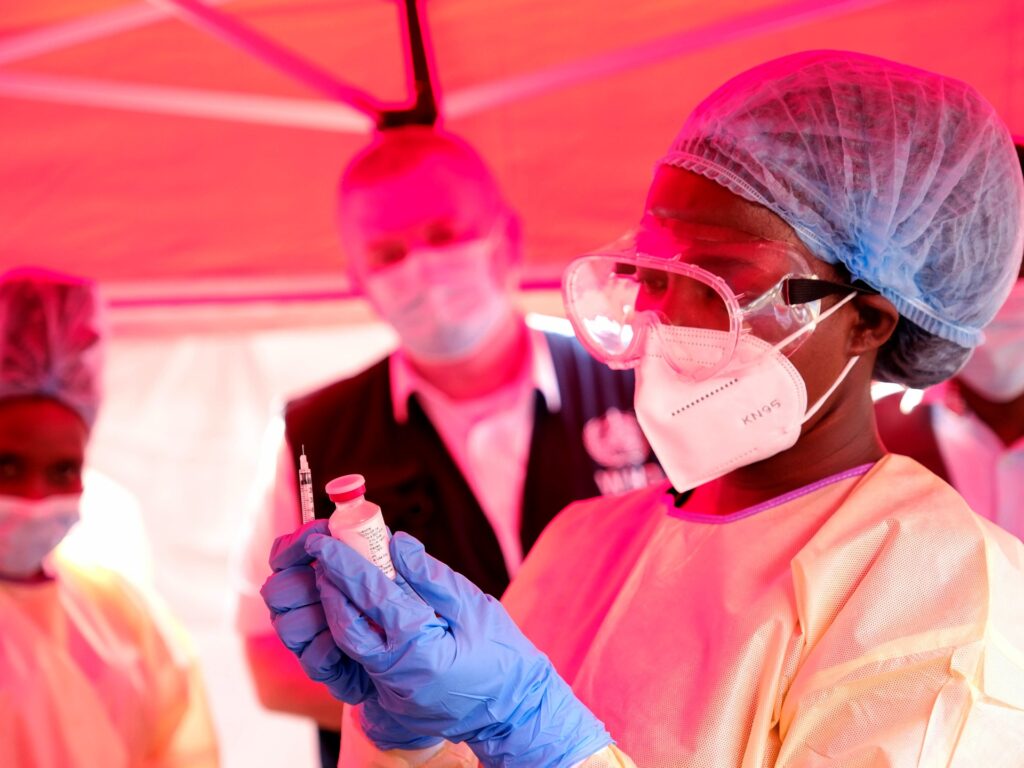
The involvement of a health worker among the new cases also raises alarm about infection control practices within healthcare settings. Efforts are being redoubled to ensure that hospitals and clinics adhere to strict infection prevention guidelines to protect staff and patients alike.
As Uganda responds to these new cases, authorities emphasize the need for public vigilance and cooperation. Citizens are urged to report any symptoms promptly and avoid contact with suspected Ebola patients to curtail the virus’s spread.
The country’s previous experience with Ebola outbreaks provides valuable lessons, but the recent cases demonstrate that vigilance must be maintained. The government continues to coordinate with global health organizations to monitor the outbreak’s evolution and deploy medical interventions where necessary.
The discovery of these three new Ebola cases is a stark reminder of the ongoing threat posed by infectious diseases. It highlights the necessity for robust healthcare systems, timely communication, and community engagement to effectively combat such public health emergencies.
In summary, Uganda’s confirmation of three additional Ebola cases, including a driver and a health worker, brings the total cases to five. This development has heightened awareness and response efforts to control the outbreak and protect both healthcare providers and the public at large.