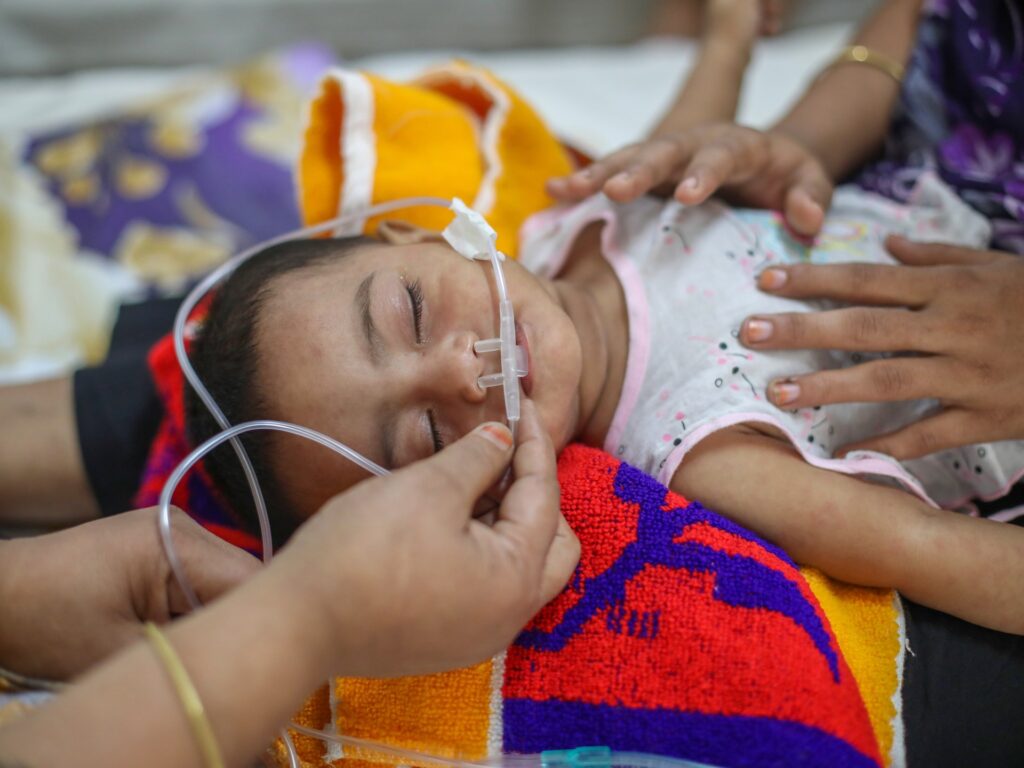
A devastating measles outbreak in Bangladesh has resulted in the deaths of more than 500 children, with the most affected age group being young children between six months and five years old. Medical professionals and health officials have reported the alarming increase in cases, highlighting serious challenges in controlling the spread of this highly contagious viral disease.
Measles, a vaccine-preventable disease, remains a significant public health threat in many low-income countries, particularly where immunization coverage is incomplete or inconsistent. In Bangladesh, the outbreak has rapidly spread across multiple regions, overwhelming healthcare facilities and significantly straining resources.
Children in the vulnerable age bracket of six months to five years are especially susceptible to severe complications from measles, including pneumonia, encephalitis, and malnutrition, which are among the leading causes of mortality associated with the disease. Doctors on the front lines report seeing a sharp rise in hospital admissions related to measles symptoms, noting that many children were either not vaccinated or had incomplete immunization schedules.
The government of Bangladesh, alongside international health organizations such as the World Health Organization (WHO) and UNICEF, has mobilized emergency response efforts to contain the outbreak. These include mass vaccination campaigns targeting unvaccinated and under-vaccinated children, public awareness drives to educate communities on the importance of immunization, and the distribution of vitamin A supplements to improve immune response and reduce complications.
Health experts warn that the outbreak underscores the critical need to strengthen routine immunization programs and improve healthcare infrastructure in Bangladesh. The country’s dense population and challenges related to healthcare access, especially in rural and underserved areas, contribute to the rapid spread of infectious diseases like measles.
Furthermore, the ongoing COVID-19 pandemic has caused disruptions in routine vaccination services worldwide, including in Bangladesh, exacerbating the risk of vaccine-preventable disease outbreaks. This situation highlights the importance of maintaining essential health services and prioritizing immunizations even during global health emergencies.
Community leaders and NGOs in Bangladesh are working to reach out to families hesitant about vaccination, aiming to dispel myths and misinformation surrounding vaccine safety and efficacy. Ensuring that all children receive timely measles immunization remains a top priority to prevent further loss of young lives.
The Ministry of Health continues to monitor the situation closely and has urged parents to seek immediate medical attention if their children show symptoms of measles, such as high fever, cough, runny nose, red eyes, and the characteristic rash.
In conclusion, the measles outbreak in Bangladesh, which has tragically claimed over 500 children mostly under the age of five, serves as a stark reminder of the ongoing risks posed by preventable diseases. Concerted efforts from the government, international partners, healthcare workers, and communities are essential to control the current outbreak and strengthen future resilience against similar health threats.