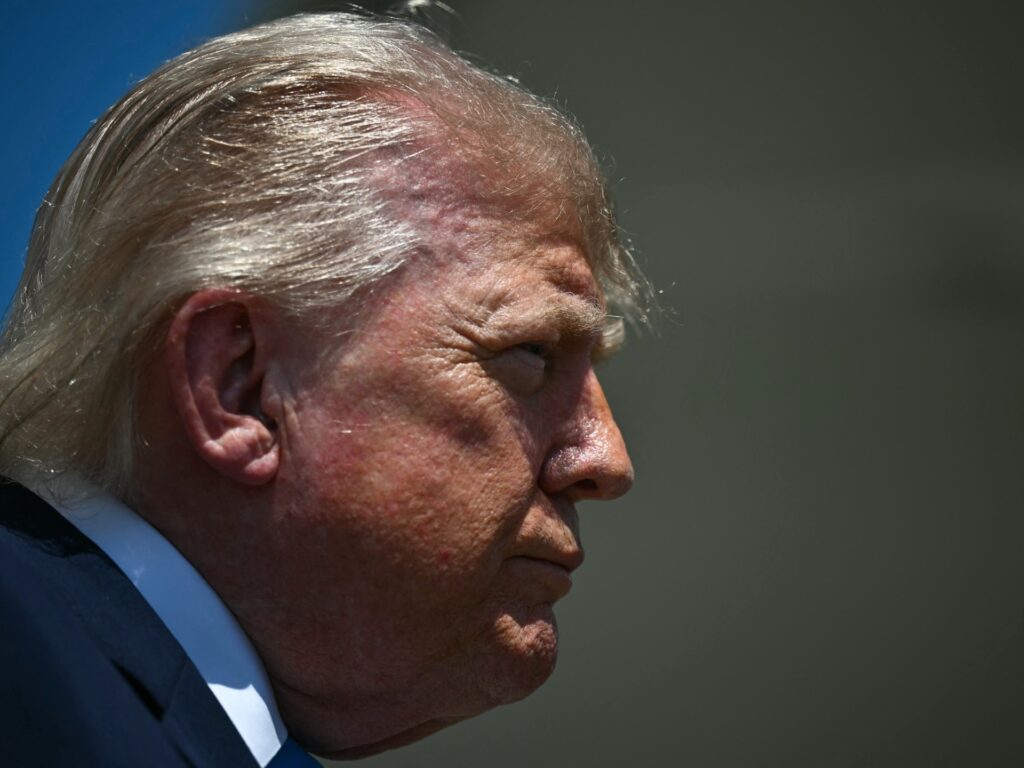
Former President Donald Trump has announced the creation of an ‘anti-weaponisation fund,’ a move that has ignited controversy and alarm among legal experts and political commentators. The fund is purportedly designed to provide financial resources to individuals who face legal challenges tied to what Trump and his supporters describe as political weaponisation of the justice system.
The announcement came amid ongoing investigations and legal actions against individuals involved in the January 6 Capitol riot. Trump and his allies have characterized these legal proceedings as politically motivated efforts to silence dissent and punish supporters of the former president. The ‘anti-weaponisation fund’ is positioned as a mechanism to support those targeted by these investigations.
Democrats and critics argue that the fund is intended to underwrite the legal costs and potential compensation for January 6 rioters who have been pardoned or may be pardoned by Trump. This possibility has raised significant alarms among legal experts who view the fund as a way to potentially undermine accountability for the violent acts committed during the Capitol breach.
Legal scholars emphasize that the fund could exacerbate divisions in the legal system by politicizing the defense of individuals involved in insurrectionist activities. They warn that providing financial backing to individuals accused of serious federal offenses could set a troubling precedent, potentially encouraging further defiance of judicial processes.
Moreover, the fund’s creation touches on broader concerns about the weaponization of legal and financial resources for political ends. By establishing a fund explicitly aimed at supporting those embroiled in politically charged investigations, Trump’s initiative may deepen the perception of justice being selectively applied based on political affiliations.
Critics also highlight the ethical implications for financial contributors and recipients of the fund, suggesting it could complicate efforts to prosecute criminal behaviour by intertwining it with partisan support networks. The fund’s transparency, governance, and use of contributions remain points of contention.
Supporters of the fund argue that it serves as a necessary countermeasure against perceived political persecution, offering a critical lifeline to individuals facing costly and prolonged legal battles that they deem unjust. They claim it upholds the principle of fair legal defense irrespective of political context.
As debates continue, the fund exemplifies ongoing tensions in the American political landscape, reflecting deep fissures over the rule of law, justice, and the legacy of the January 6 events. The development underscores the challenges in balancing legal accountability with political loyalty in a polarized environment.
Overall, Trump’s ‘anti-weaponisation fund’ is more than a financial resource—it’s a politically charged symbol that highlights the ongoing struggle over the interpretation and application of justice in contemporary America. Legal experts, politicians, and citizens alike remain watchful of how this fund will impact the legal proceedings related to the Capitol riot and the broader political climate.