The upcoming India-Africa summit has been postponed following the alarming spread of Ebola in the eastern Democratic Republic of Congo (DR Congo), particularly in areas controlled by the M23 rebel group. This decision comes as the international community faces significant challenges in halting the deadly disease’s transmission, exacerbated by ongoing armed conflict in the region.
Ebola, one of the most lethal infectious diseases, has resurged in DR Congo, raising urgent public health concerns. The outbreak’s spread to the M23-controlled territories complicates response efforts due to security risks, limited access to affected populations, and disrupted healthcare infrastructure.
The M23 rebel group, which holds influence over parts of eastern DR Congo, has been involved in prolonged armed conflict with government forces and other militias. This instability hampers humanitarian and medical teams from effectively reaching communities in need of care, surveillance, and vaccination campaigns.
Officials from both India and African nations had planned the summit to strengthen cooperation and address common challenges, including health crises like Ebola. However, the postponement reflects a prioritization of safety and the practical difficulties in facilitating international dialogue amid a public health emergency.
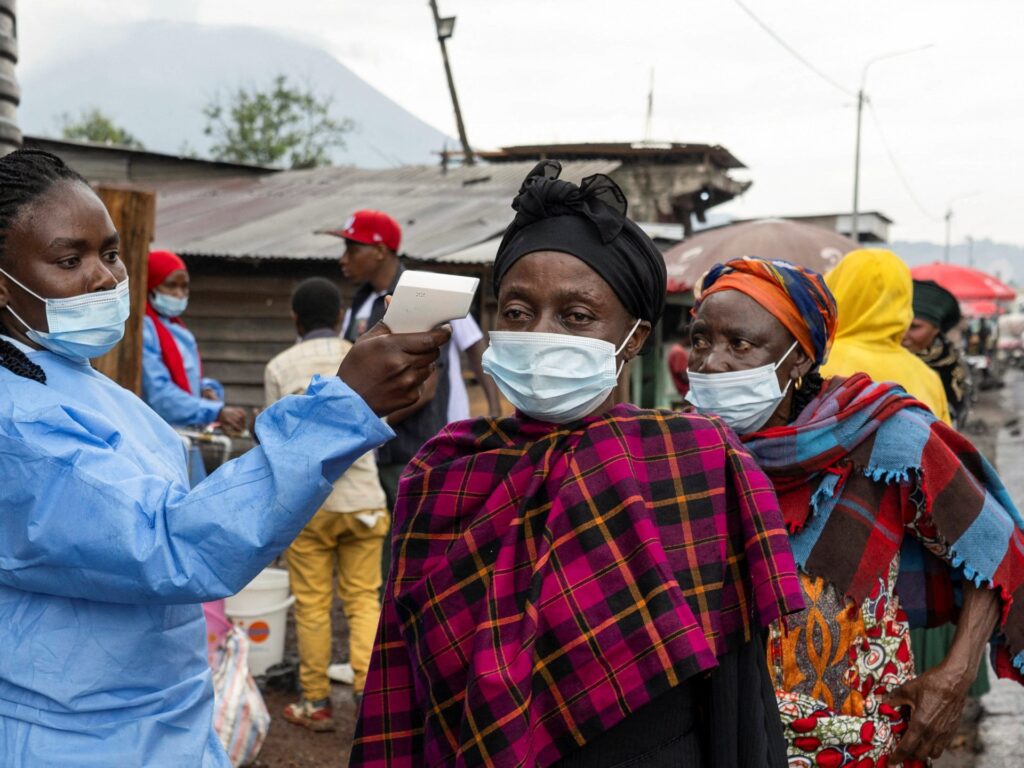
Health workers and humanitarian organizations continue to push for enhanced security arrangements and dialogue with armed groups to gain safe access to affected zones. They stress that vaccination efforts, treatment centers, and community awareness programs must advance swiftly to contain the outbreak.
The World Health Organization (WHO) has highlighted the complex interplay between conflict and epidemic control in the DR Congo, noting that violence and displacement undermine surveillance and rapid response capabilities. It calls for coordinated international support that addresses both health and security concerns.
Meanwhile, affected communities face heightened risks, with overstretched health facilities and fear impeding timely care-seeking behaviors. Experts warn that without urgent intervention, the outbreak could spread beyond the current hotspots, posing a broader threat to regional and global health.
The postponement of the India-Africa summit symbolizes the broader challenge of addressing public health emergencies in conflict zones. It underscores the need for integrated approaches that combine diplomacy, security, and humanitarian action to effectively manage contagious outbreaks like Ebola.
In sum, the Ebola outbreak in M23-held areas of eastern DR Congo presents a multifaceted crisis. Armed conflict not only exacerbates the spread of disease but also hinders the crucial international collaboration necessary to combat it, as evidenced by the delay of high-profile events like the India-Africa summit. The situation demands urgent, coordinated efforts to protect lives and prevent a wider epidemic.