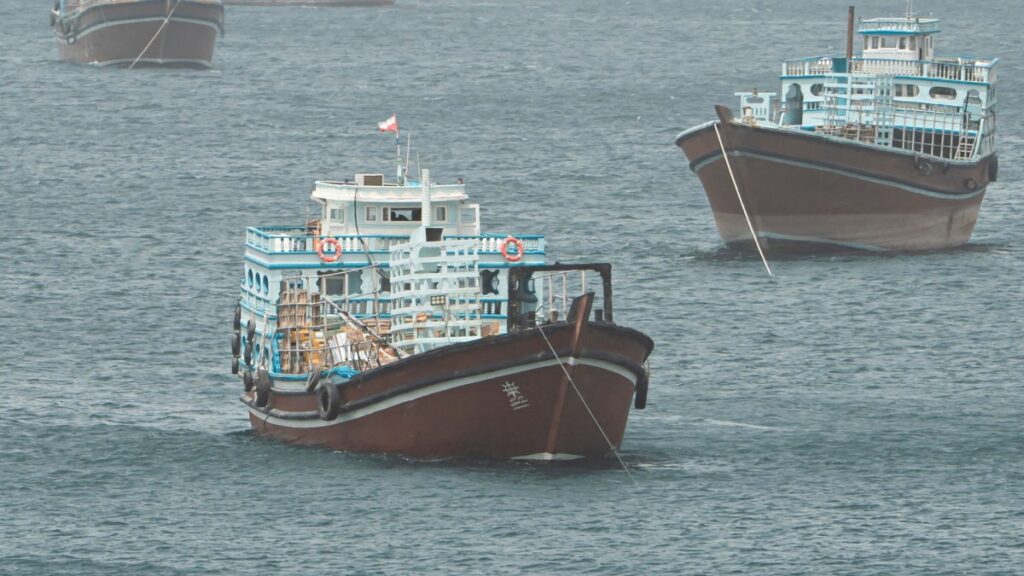
Iran has announced that it successfully coordinated the passage of 26 vessels through the Strait of Hormuz within a 24-hour period, showcasing its continued control over this strategic waterway. The Islamic Revolutionary Guard Corps (IRGC) has asserted its dominant presence in the region, emphasizing its ability to regulate maritime traffic despite ongoing tensions and the US-imposed blockade on Iranian ports.
The Strait of Hormuz is one of the most crucial chokepoints for global oil transportation, with a significant percentage of the world’s oil supply passing through this narrow passage between the Persian Gulf and the Gulf of Oman. Iran’s claim to maintain control over the strait is symbolically and strategically important, especially as the United States continues to apply pressure through economic sanctions and maritime restrictions.
The IRGC’s statement came amid heightened geopolitical strains, including concerns over freedom of navigation and the security of crucial maritime routes. Iran’s announcement appears to be a move to send a message to the international community regarding its sovereignty and capacity to safeguard its maritime interests.
The blockade imposed by the US targets Iran’s ports, restricting trade and aiming to curb Iran’s economic capabilities. Despite this, Iran’s control over the Strait of Hormuz enables it to assert influence over maritime logistics and global energy supply. The 26 vessels reportedly passed under Iran’s coordination, reflecting its operational capacity to manage traffic through these waters.
This development highlights the ongoing power struggle in the region, where Iran and international actors, particularly the US, vie for control and influence. Iran’s ability to coordinate vessel passage underscores the strategic importance it places on the Strait of Hormuz and the broader Persian Gulf region.
Analysts note that any disruption in the Strait of Hormuz could have significant ripple effects on global oil prices and supply chains. The tension in the waterway often reflects broader geopolitical conflicts influencing international relations and energy markets.
Iran’s message is clear: despite blockades and international sanctions, it remains a key player in the security and management of the Strait of Hormuz. The IRGC’s role symbolizes Iran’s determination to exert its influence and protect its interests in one of the world’s most sensitive maritime corridors.
Maritime freedom of passage remains a contentious issue, with external powers advocating for open navigation while Iran emphasizes control based on its territorial claims. This ongoing dynamic continues to contribute to instability and uncertainty in the region.
In conclusion, Iran’s recent claim about coordinating the movement of 26 vessels through the Strait of Hormuz within a single day amidst US blockade pressures adds a new chapter to the complex narrative surrounding one of the world’s most vital maritime routes. The situation remains fluid, with potential implications for regional security and global energy markets that warrant close international attention.