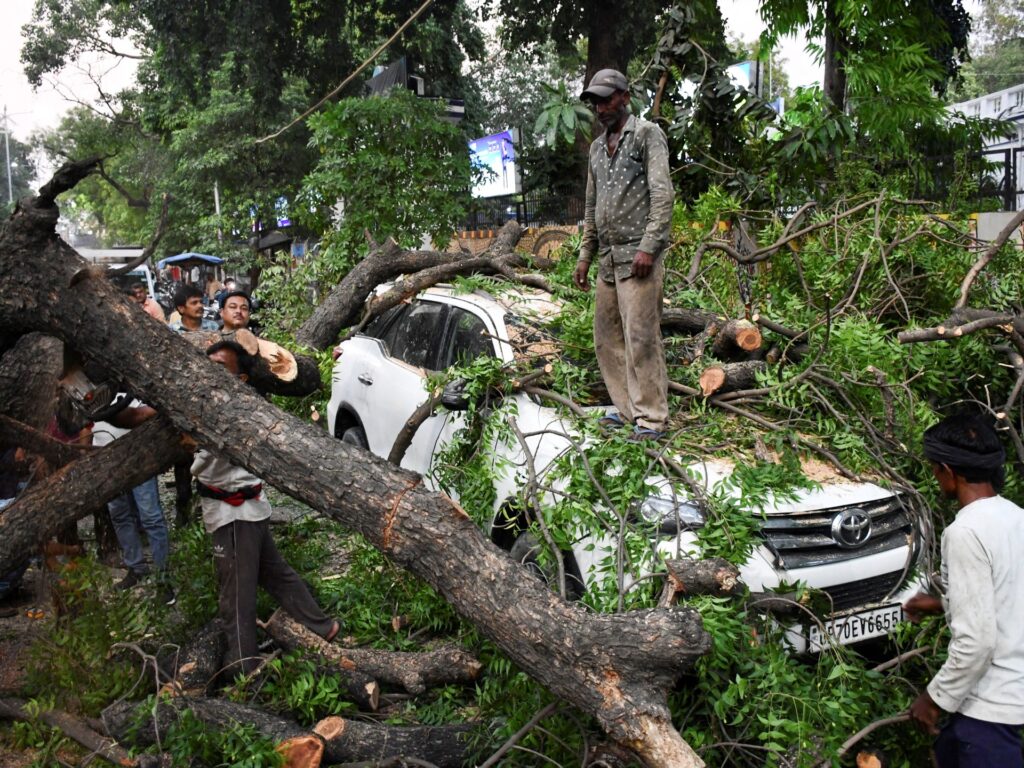
Northern India has been struck by devastating duststorms and lightning, resulting in the tragic deaths of at least 96 people. This deadly weather phenomenon comes as the region experiences its seasonal storms, which are common from March to June before the arrival of the annual monsoon rains.
Duststorms and lightning are familiar, yet perilous occurrences in northern India during this pre-monsoon season. These storms often bring strong winds carrying dust and debris, reducing visibility and causing destruction. Additionally, lightning strikes pose a significant threat, especially in rural areas where people may be caught outdoors.
In recent days, severe duststorms swept through several states in northern India, including Rajasthan, Haryana, Punjab, and Uttar Pradesh. The harsh winds led to the collapse of structures, uprooting of trees, and disruption of transportation. Lightning strikes during these storms have been particularly lethal.
Authorities report that at least 96 people have lost their lives due to these combined natural disasters. Many victims died from the impact of falling debris during the duststorms, while others succumbed to direct lightning strikes. Hospitals in affected regions are grappling with multiple casualties and injuries.
Meteorological departments have issued warnings about the likelihood of further duststorms and lightning events in the coming weeks. Residents are urged to take precautionary measures, such as staying indoors during storms, avoiding open fields and tall trees, and securing loose objects that could become airborne hazards.
The frequency of these storms in northern India highlights the region’s vulnerability during the transition months leading up to the monsoon. Duststorms not only cause fatalities but also affect agriculture, air quality, and daily life. The combination of dust and lightning adds an extra layer of danger that challenges disaster management efforts.
Local governments have mobilized emergency response teams to provide aid to survivors and manage disaster aftermath. Efforts include clearing debris, restoring power and communication lines, and providing medical assistance to those injured.
Experts emphasize the need for improved early warning systems and community awareness programs to mitigate the impact of such storms. Climate change may also be influencing the severity and frequency of duststorms and lightning events, making preparedness even more critical.
As northern India braces for the monsoon season, the recent duststorms and lightning fatalities serve as a stark reminder of the dangers posed by natural weather hazards and the importance of vigilance and safety measures during this volatile period.