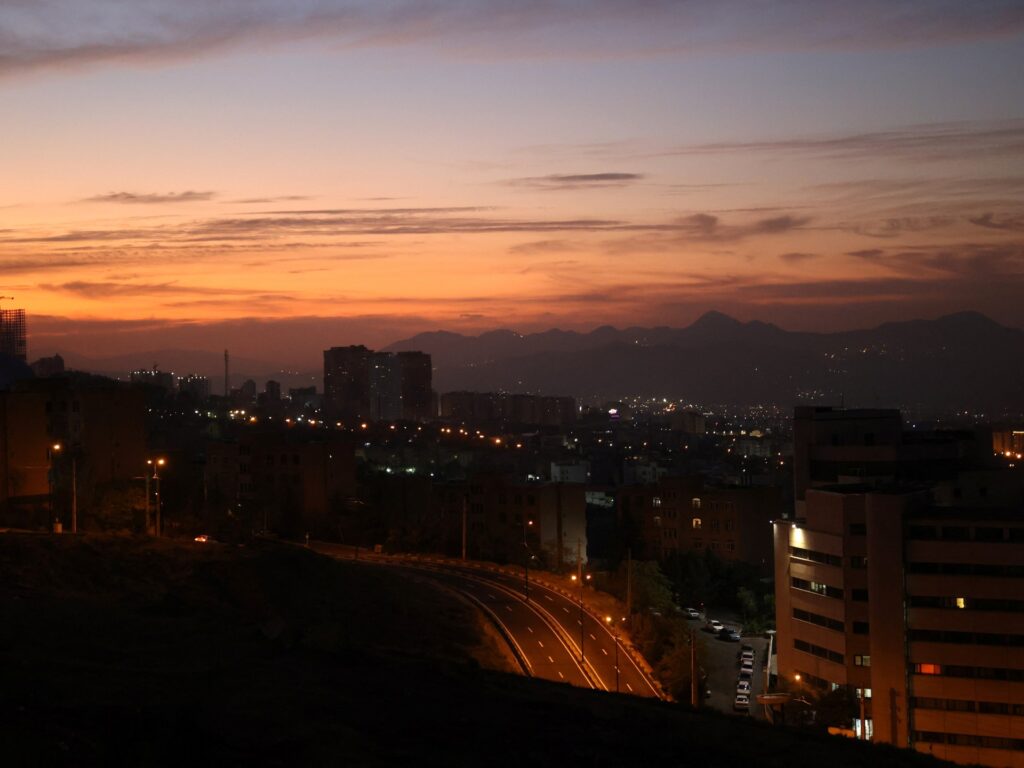
A series of tremors near Tehran, the capital of Iran, has once again raised concerns about the risk of a major earthquake in the region. These tremors have been felt in an area close to the Mosha fault, which is known to be one of Iran’s most active seismic zones.
The Mosha fault stretches near Tehran and has historically been associated with significant seismic activity. The recent tremors have unsettled residents and experts alike, who are worried that these smaller quakes could be precursors to a larger, more destructive event.
Iran is situated on several major fault lines, making it one of the most earthquake-prone countries in the world. Tehran, as the densely populated capital, faces a heightened risk due to the concentration of infrastructure and people. Past earthquakes in Iran have caused severe damage and loss of life, underscoring the urgent need for preparedness and robust building codes.
The Iranian Seismological Center has reported that the tremors near Tehran have varied in magnitude but have consistently been felt in neighborhoods close to the Mosha fault. Residents have described the quakes as jolts that cause shaking of buildings and temporary panic.
Experts emphasize that the recurrence of tremors is typical in active seismic zones and stress the importance of vigilance. Seismologists are closely monitoring the situation, utilizing advanced equipment to track any changes in seismic activity that could indicate an impending larger quake.
Local authorities have urged the population to be prepared and to follow safety protocols in the event of a significant earthquake. Emergency response plans have been reviewed and drills initiated in schools and workplaces across Tehran.
The government is also investing in infrastructure reinforcement to improve the resilience of buildings against earthquake damage. Public awareness campaigns are being intensified to educate citizens on how to react when an earthquake strikes.
This recent series of tremors serves as a reminder of the ever-present geological threats faced by Tehran and the broader region. Continuous monitoring, public education, and stringent enforcement of construction standards remain critical to minimizing the impact of future quakes.
In conclusion, while the recent tremors have not caused major damage, they highlight the ongoing seismic risk posed by the Mosha fault. Authorities and residents alike must maintain a high level of preparedness to safeguard lives and property against the possibility of a major earthquake in the near future.