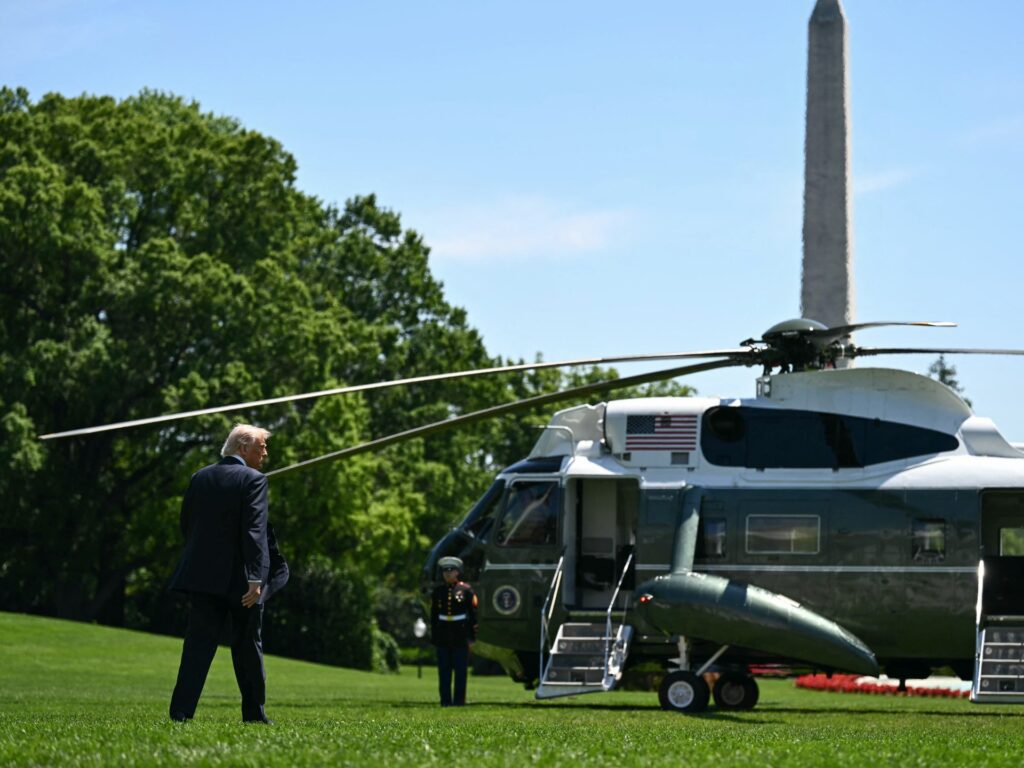
As former President Donald Trump prepares to visit Beijing, he has issued statements downplaying the need for China’s involvement in any potential conflict with Iran. This stance comes amid rising tensions in the Middle East, where the possibility of an Iran war remains a critical concern. Trump has projected confidence that the United States can manage any Iran-related issues independently, signaling that China’s assistance is not essential in this arena.
Despite these assertions, there is noticeable inconsistency in the messaging about the priority of the Iran situation in the upcoming discussions with Chinese officials. While Trump has made several public remarks minimizing China’s influence or role in an Iran conflict, his administration’s approach suggests that the main focus of talks will be on trade relations rather than security or geopolitical concerns linked to Iran.
This apparent dichotomy reflects a strategic attempt to compartmentalize diplomatic objectives. On one hand, by asserting self-sufficiency in the Iran matter, Trump aims to reassure domestic and allied audiences of U.S. strength and resolve. On the other hand, elevating trade as the centerpiece of the Beijing talks aligns with ongoing efforts to ease economic tensions and potentially secure concessions beneficial to the American economy.
Trade issues have long been a focal point of U.S.-China relations, influencing everything from tariffs to technology exchanges. The emphasis on commerce during Trump’s visit indicates a preference to stabilize and grow economic ties despite geopolitical frictions. Nonetheless, given the complex nature of international diplomacy, experts suggest that security topics such as Iran cannot be entirely sidelined and will likely feature as underlying themes in private discussions.
China’s role in Middle Eastern affairs has grown over recent years, particularly through its Belt and Road Initiative and strategic partnerships in the region. While Trump’s remarks diminish China’s role in a future Iran conflict, Beijing’s position as a key global power means it will continue to be a significant actor in matters affecting regional stability.
Observers have noted that Trump’s visit comes at a delicate time, where balancing economic interests with security priorities requires nuanced negotiation. The U.S. administration’s dual approach of publicly separating Iran-related issues from trade objectives may be intended to manage expectations on both fronts.
In summary, Trump’s upcoming trip to Beijing is marked by mixed messages regarding the importance of the Iran situation in the talks. While he downplays the need for China’s help with Iran, the administration emphasizes trade as the dominant agenda, portraying a complex diplomatic strategy aimed at addressing multiple challenges with one of the world’s most influential nations.