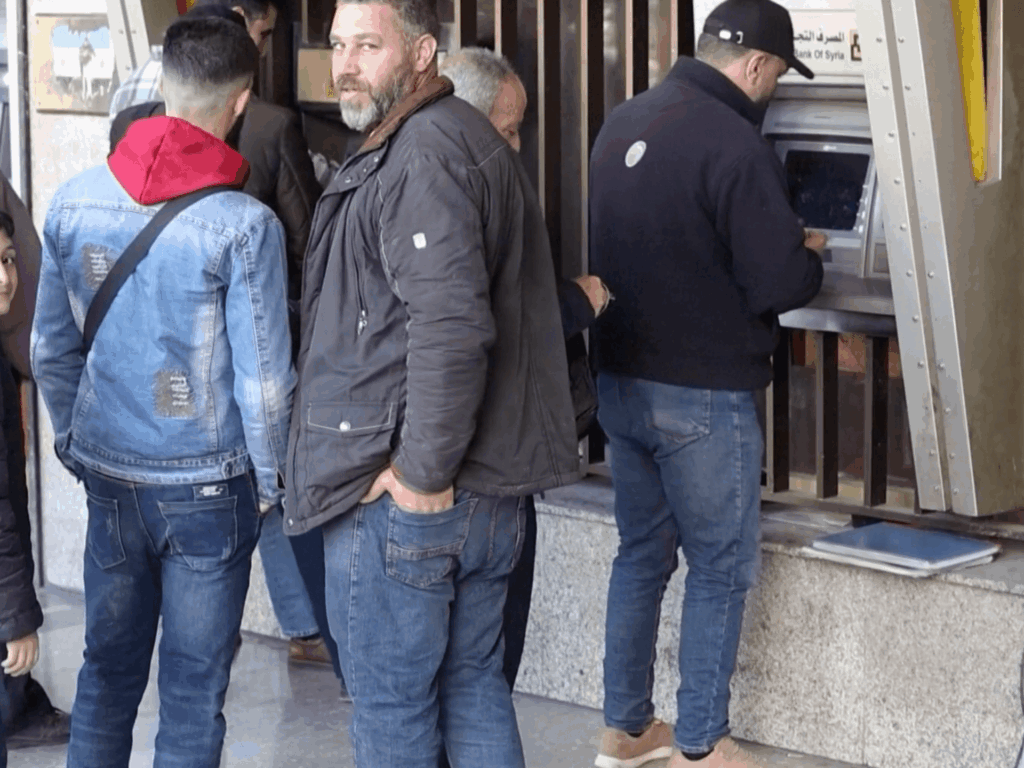
In a significant development signaling Syria’s intent to reintegrate with the global economic system, the country has restored credit card payment services. This move marks a pivotal step in Syria’s efforts to normalize its financial and commercial relations with the rest of the world amid years of sanctions and economic isolation.
For more than a decade, Syria has faced economic challenges exacerbated by civil conflict, international sanctions, and limited access to global financial networks. The suspension of credit card payments has been a major obstacle for both businesses and consumers within the country, inhibiting everyday transactions and international trade.
Restoring credit card payments opens new avenues for Syrians to engage in e-commerce, travel, and international business, improving both the domestic market and access to foreign goods and services. The government’s decision is seen as a strategic effort to attract foreign investment and rebuild its shattered economy by fostering greater financial inclusion and connectivity.
Experts note that re-establishing payment options is also likely to enhance Syria’s financial transparency and accountability, important factors for rebuilding trust with international banks and institutions. This restoration may pave the way for further economic reforms, diplomatic engagement, and gradual lifting of sanctions.
While challenges remain, including ongoing political tensions and infrastructure rebuilding, the reactivation of credit card services represents a hopeful signal of Syria’s determination to participate more fully in global commerce. Businesses inside Syria can now anticipate a more streamlined payment system, fostering growth in sectors like retail, hospitality, and services, which depend heavily on digital financial tools.
International observers are watching closely to see how this move will impact Syria’s broader economy and whether it will catalyze further integration with the international financial ecosystem. This development is also indicative of the larger geopolitical shifts and the possibility of new partnerships and alliances that could emerge as Syria adjusts its economic policies to meet global standards.
In summary, Syria’s restoration of credit card payments is an important step toward economic recovery and global market reentry. It reflects a desire to overcome isolation and open new channels for commerce and investment that could ultimately contribute to rebuilding the country’s economic health and stability.