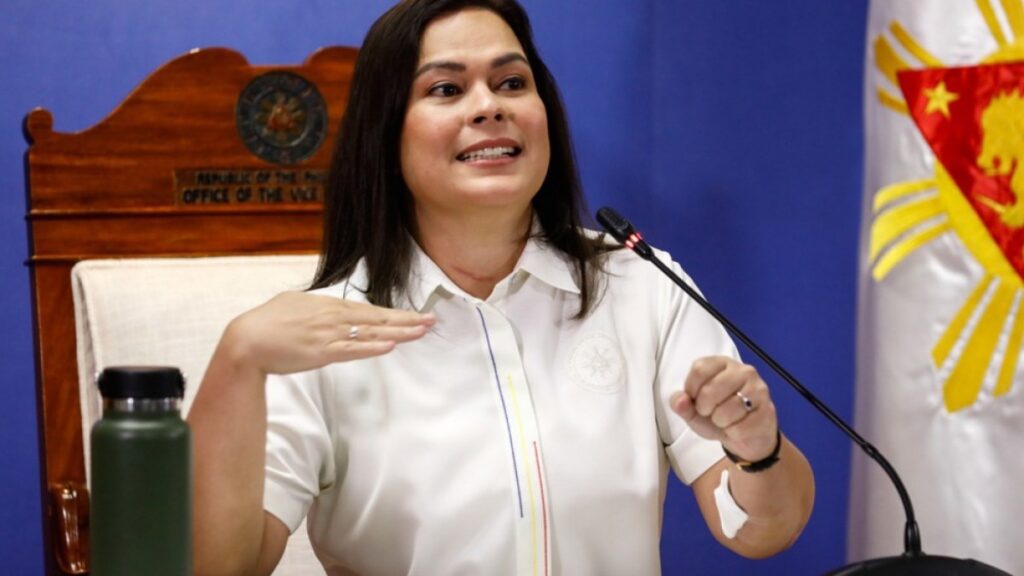
A significant political power struggle is unfolding in the Philippine Congress, centering on ongoing efforts to impeach Vice President Sara Duterte. This turmoil has escalated into a de facto coup attempt by Duterte’s allies, who are aggressively contesting control of the Philippine Senate to influence the impeachment proceedings.
The crisis was ignited when accusations against Vice President Duterte surfaced, triggering impeachment motions that have polarized lawmakers. Allies of the Vice President have mobilized to disrupt the usual legislative order, aiming to sway the Senate leadership and halt or modify the impeachment trial.
In recent weeks, the Senate has turned into a battleground, with frequent confrontations between factions loyal to Vice President Duterte and those seeking accountability through the impeachment process. The struggle includes attempts to change key committee assignments, influence debate schedules, and sway votes on critical procedural motions.
Political analysts view this confrontation as not only a contest of power within the Philippine legislative branch but also a reflection of broader national divisions. Supporters of the Vice President argue the impeachment efforts are politically motivated moves aiming to destabilize her administration and tarnish her political reputation.
Opponents, on the other hand, maintain that the impeachment is a necessary democratic mechanism to address alleged violations and uphold the rule of law. The divided Congress has led to legislative gridlock, hampering not only the impeachment trial but also other key governance issues.
This turmoil has significant implications for the country’s political stability, governance, and democratic processes. The outcome of this power tussle will likely shape the Philippines’ political landscape for years to come. It remains uncertain how the situation will resolve, but the ongoing conflict highlights the fragility of political alliances and the stakes involved in high-level government accountability efforts.