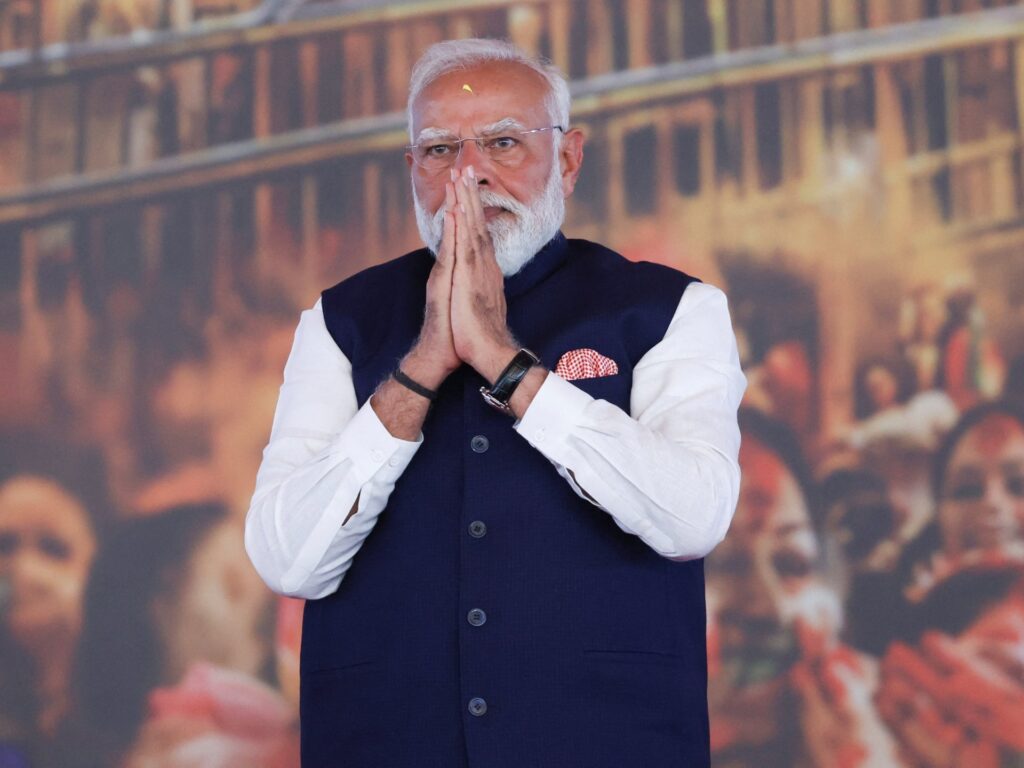
Prime Minister Narendra Modi has recently urged Indian citizens to refrain from undertaking foreign trips and to avoid purchasing gold amid a worsening global energy crisis triggered by the ongoing conflict in Iran. This proactive guidance comes as the Iran war has disrupted global oil supplies, leading to significant increases in energy prices worldwide, impacting India’s economy and the daily lives of its people.
The Iran war has escalated tensions in the Middle East, a vital hub for the world’s oil production and export. Given that India is heavily reliant on imported oil for its energy needs, the disruption in the supply chain and rising crude oil prices have translated into higher fuel costs domestically. This, in turn, contributes to inflation and weakens economic stability, prompting government interventions.
In a recent statement, PM Modi encouraged citizens to minimize non-essential travel abroad. He highlighted that reducing foreign travel could help lower the demand for expensive foreign currency exchange and ease pressure on India’s balance of payments during these challenging times.
Modi also advised the public to prioritize remote working or working from home whenever possible. This approach aims to reduce fuel consumption for daily commuting, helping conserve energy and reduce the nation’s overall oil demand.
The Prime Minister specifically cautioned against investing in gold during this period. Traditionally viewed as a safe haven during times of crisis, gold demand tends to spike, which can result in increased prices and potentially encourage inflationary trends. By discouraging gold purchases, the government seeks to stabilize domestic markets and prevent unnecessary financial burdens on families.
Economic experts have advocated Modi’s recommendations, noting that such measures can help the country navigate the difficult global economic landscape shaped by the Iran conflict. They emphasize that collective efforts from citizens, including conserving energy and limiting extravagant purchases, can mitigate the adverse effects and support India’s overall economic resilience.
Energy analysts warn that the repercussions of the Iran war could be long-lasting, as supply uncertainties persist and geopolitical risks remain high. In this context, governmental advisories calling for responsible consumption and prudent financial decisions become critical.
Furthermore, the Ministry of External Affairs has been monitoring the situation closely, briefing Indian citizens about travel advisories and urging caution in making international travel plans. The ministry emphasizes that travel disruptions and higher costs could continue until the geopolitical tensions ease.
Globally, many countries have begun implementing similar strategies to cope with the fallout from the Iran war. These include encouraging remote work, promoting energy conservation, and stabilizing domestic financial markets.
In conclusion, PM Modi’s call to avoid foreign trips and hold back from buying gold is a strategic approach aimed at shielding Indian citizens from the ongoing global energy crisis’s economic impacts. Through collective awareness and responsible behavior, India seeks to maintain its economic stability and support its population during these tumultuous times.