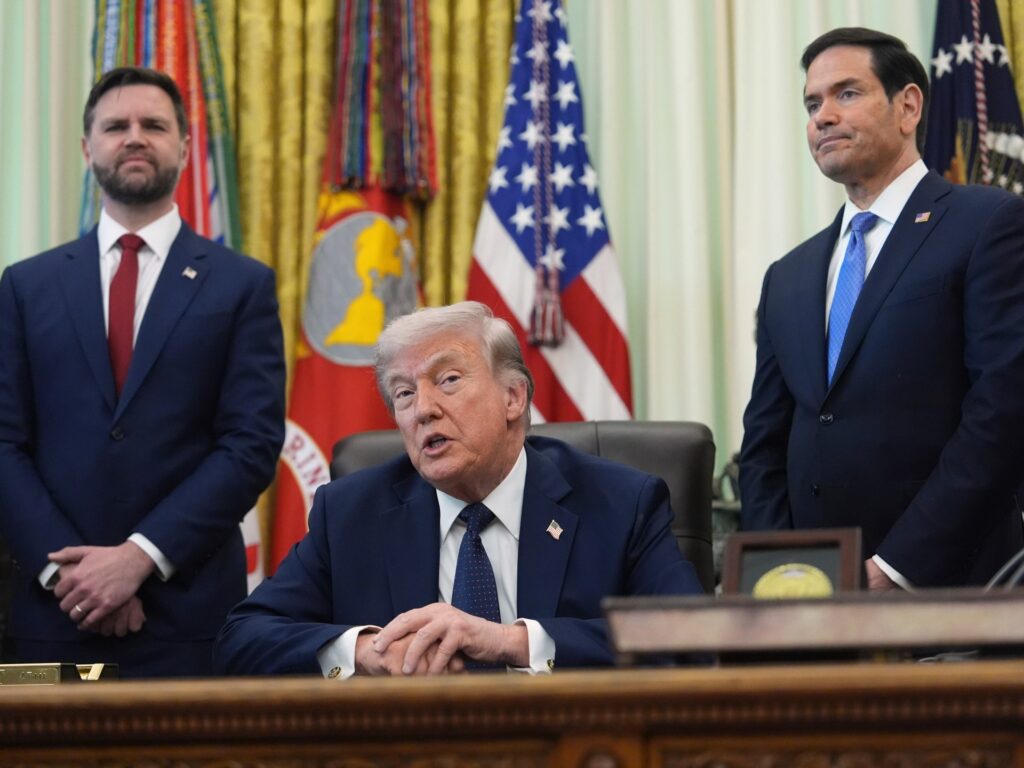
Iran recently submitted a peace proposal aimed at ending ongoing conflicts, responding to an earlier initiative by the United States that was mediated through Pakistan. This diplomatic exchange highlights the complex nature of negotiations between the two nations, which have long been marked by hostility and strategic maneuvering.
The proposal by Iran surfaced on a Sunday, emphasizing the country’s willingness to engage in dialogue despite strained relations. Tehran’s response included specific terms and conditions it deemed necessary for peace and stability in the region. However, the administration of then-President Donald Trump explicitly rejected the offer, labeling it as “unacceptable.”
According to sources, Iran’s peace plan involved addressing key disputes and suggesting frameworks for future cooperation. The initiative also implied conditions regarding sanctions relief and mutual respect for sovereignty, aiming to de-escalate military tensions that have characterized US-Iran relations for years.
The US response, transmitted via Pakistan as a mediator, had initially hoped to create a pathway toward reducing hostilities. Yet, the Trump administration’s dismissal signaled a continuation of the hardline stance it had maintained since its inception, focusing on maximum pressure through economic sanctions and diplomatic isolation.
Experts note that the rejection of Iran’s peace proposal might perpetuate the cycle of hostility, reducing prospects for meaningful negotiations in the near term. Critics of the US approach argue that the hardline policy under Trump closed doors to diplomatic solutions that could provide stability in the volatile Middle East region.
Iran’s diplomatic effort underscores the nation’s complex geopolitical strategy, balancing acts between asserting regional influence and responding to international pressures. The use of Pakistan as a mediator spotlights the importance of third-party involvement to facilitate dialogue in international conflicts.
In summary, the peace proposal from Iran represented a significant attempt to bridge longstanding gaps in US-Iran relations. However, its rejection by the Trump administration reflects ongoing challenges and entrenched positions that continue to affect international peace efforts. Analysts suggest that future negotiations, if they occur, will require greater flexibility and willingness from both sides to move beyond historical grievances and seek collaborative security arrangements.