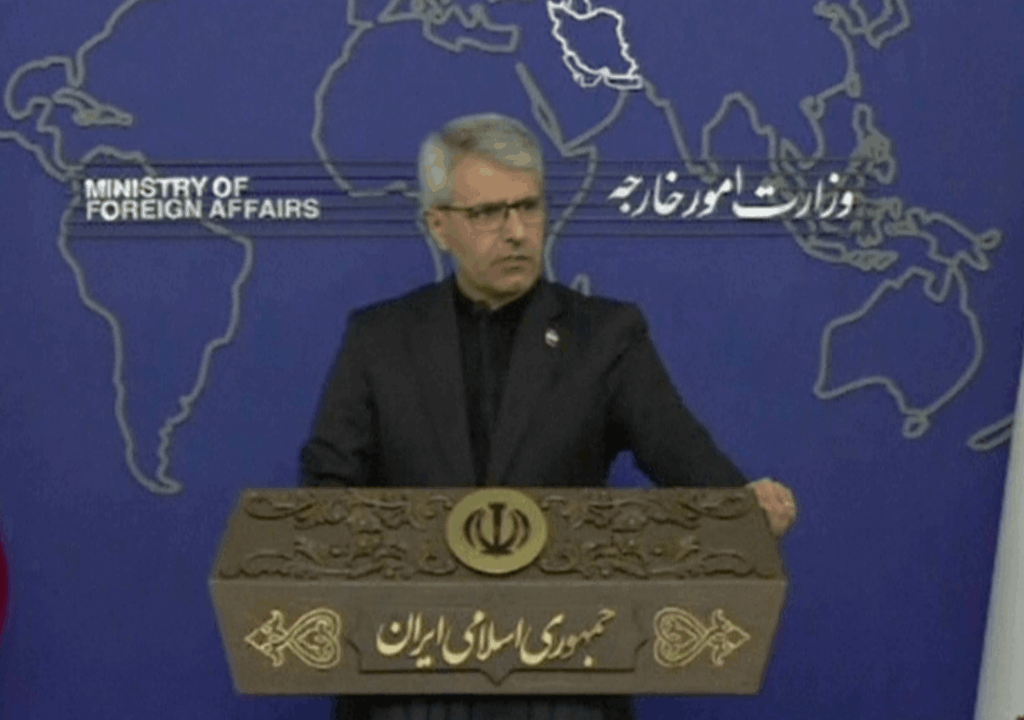
In a recent development surrounding efforts to end the ongoing conflict involving Iran, Tehran has formally responded to a peace proposal sent by the United States. Iran firmly denies that the response it sent back contains “excessive demands,” countering claims that the country’s conditions for peace are unreasonable.
The diplomatic exchange marks a critical moment in the attempts to find a resolution to the hostilities affecting the region and beyond. Despite previous setbacks and heightened tensions, both sides appear to be engaging in dialogue, with the US submitting a fresh proposal aimed at ending the war.
Iran’s official statements emphasize that the reply they issued to the US proposal is fair and measured, opposing narratives that suggest Tehran’s conditions burden the negotiations unnecessarily. This clarification seeks to dispel misunderstandings and misinformation that could jeopardize the fragile communication channels between the two nations.
The exact contents of the US proposal and Iran’s counter-proposal have not been publicly detailed, leaving analysts and observers speculating about the specific terms under debate. However, experts agree that any peace process involving Iran is complex, encompassing numerous geopolitical and security considerations.
Historically, negotiations between Iran and the United States have been characterized by mutual suspicion and strategic interplay. The current exchange, while cautious, indicates a willingness from both parties to engage diplomatically, potentially paving the way for further talks aimed at de-escalation and conflict resolution.
Iran’s rejection of the “excessive demands” label serves not only as a political statement but also as a strategic stance to maintain its position in the talks. It suggests Tehran is seeking to portray itself as a reasonable actor interested in genuine peace rather than one making burdensome demands.
The international community has watched these developments closely, understanding the significant implications any resolution could have on global security, energy markets, and regional stability. Allies and rivals alike are urging both sides to continue dialogue and avoid further escalation.
Moving forward, the focus will be on whether subsequent rounds of negotiation can overcome the current impasse and lead to a mutually acceptable peace agreement. The success of this diplomatic effort depends on sustained engagement, trust-building, and compromise.
For now, Tehran’s clear stance against claims of excessive demands adds a new dimension to the ongoing peace efforts, signaling that the road to resolution will not be without challenges but remains open to negotiation.
As the situation unfolds, international observers remain vigilant, hoping these communications will result in a lasting and peaceful solution to the conflict.