Haiti is currently grappling with escalating gang violence that has forced the displacement of hundreds of residents and led to the suspension of crucial medical services. The situation has grown dire as gunfire and armed clashes rage in several neighborhoods, disrupting daily life and access to healthcare.
One of the most critical impacts of the violence has been on medical aid delivery. Doctors Without Borders (Médecins Sans Frontières, MSF), an international humanitarian medical organization, recently announced the suspension of operations at one of its hospitals in Haiti due to severe safety concerns. The decision comes after nearby gunfire endangered both staff and patients, making it impossible to continue providing care safely.
The hospital’s closure is a significant setback for the local population, who rely heavily on MSF for emergency medical treatment and routine healthcare amid limited public health infrastructure. The suspension affects many patients, including those in critical condition and individuals requiring urgent medical interventions.
Local authorities and international aid agencies have expressed deep concern over the rapid deterioration of security in the affected areas. The gang violence not only threatens lives directly but also cripples vital services and exacerbates existing humanitarian challenges.
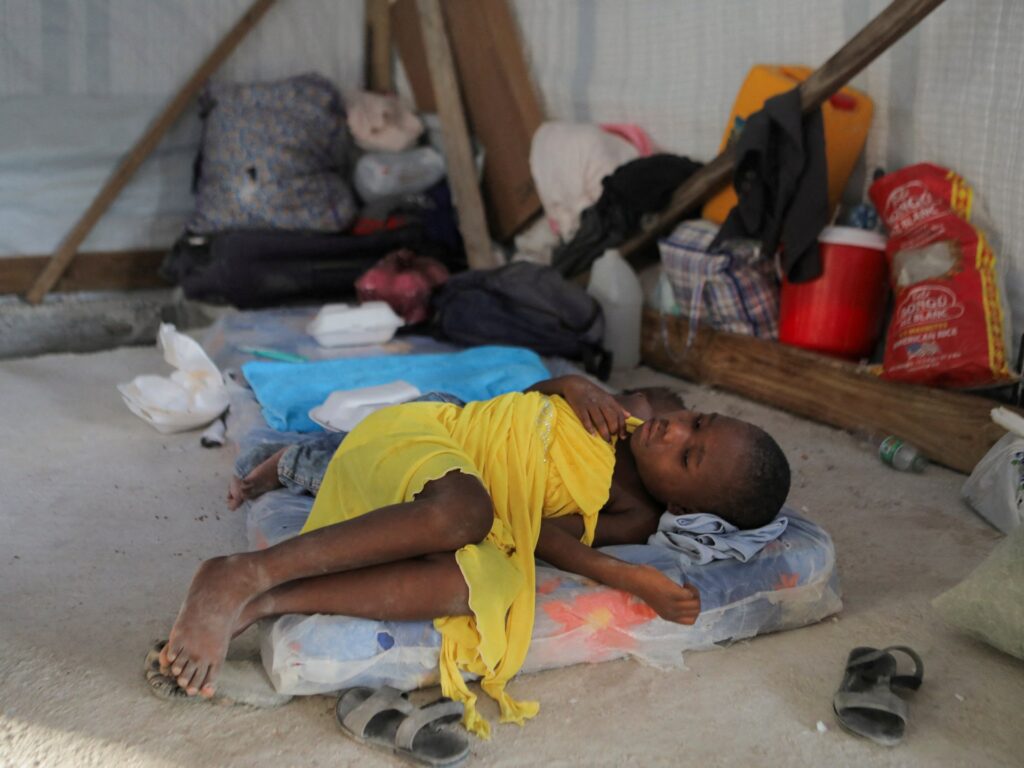
Reports indicate that hundreds of people have been displaced from their homes, seeking refuge from the violence. Many have fled to temporary shelters or have joined displaced populations in nearby regions, further straining limited resources and infrastructure.
The government of Haiti is calling for increased support from international partners to help restore stability and provide relief to affected communities. However, ongoing insecurity has complicated efforts to deliver aid and implement effective interventions.
Humanitarian organizations are urging all parties involved to prioritize peaceful dialogue and protection of civilians. There is a strong emphasis on ensuring safe access for medical teams and the resumption of essential health services.
The situation highlights the urgent need for comprehensive strategies to address the root causes of violence and strengthen governance, security, and social services in Haiti. Until peace and stability are restored, fragile populations will continue to suffer from both direct violence and the loss of critical support systems.
Global attention is now focused on Haiti as the country faces a humanitarian crisis that requires immediate and coordinated action to protect lives and rebuild communities devastated by gang-related conflict.