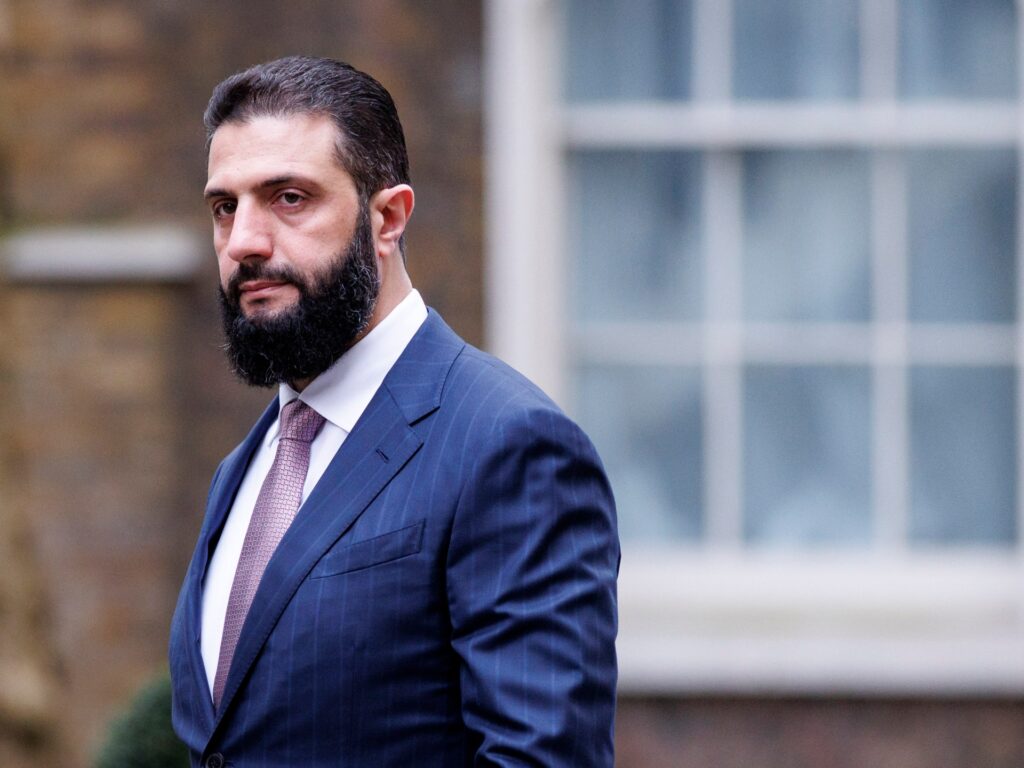
Syria has witnessed its first significant government reshuffle since the ouster of long-time leader Bashar al-Assad, a move that has been confirmed by state media. This reshuffle was directed by Interim President Ahmed al-Sharaa amidst a backdrop of increasing public protests over poor government performance. The change in government marks a critical juncture in Syria’s political landscape as the country navigates through ongoing challenges and public dissatisfaction.
The newly announced reshuffle was seen as a response to the escalating demonstrations across the country, where citizens have voiced their frustration over economic hardships, corruption, and ineffective governance. The Syrian government under al-Sharaa aims to address these grievances by reorganizing key positions within the cabinet to signal a fresh start and renewed commitment to reform.
Ahmed al-Sharaa, serving as interim president, has taken decisive steps to stabilize the nation and reclaim public trust. The reshuffle includes the appointment of new ministers and officials tasked with revitalizing government functions and improving service delivery. Analysts note that this move is a strategic attempt to placate protesters and mitigate any further unrest.
Syria’s political environment remains fragile, with ongoing tensions stemming from the previous regime’s ouster and the ensuing power struggles. The reshuffle, although significant, is just the beginning of what many expect to be a protracted process of political realignment and reconstruction.
Local observers have expressed cautious optimism regarding the government’s efforts, highlighting that tangible improvements in governance and transparency will be crucial for lasting peace and stability. Meanwhile, protestors continue to demand comprehensive reforms beyond mere personnel changes, including systemic transformations to address economic and social challenges.
Internationally, the government reshuffle has drawn mixed reactions. Some countries and organizations view it as a positive step towards political stabilization, while others remain skeptical about the depth of change and the government’s willingness to implement broad reforms.
The path forward for Syria involves navigating complex political, economic, and social issues while balancing the expectations of its citizens and the international community. The recent government reshuffle under Ahmed al-Sharaa marks an important milestone, but the journey toward comprehensive reform and national reconciliation is far from over.
In conclusion, Syria’s first government reshuffle since al-Assad’s ouster is a pivotal moment reflecting both the challenges and hopes within the nation. President Ahmed al-Sharaa’s administration faces the formidable task of transforming government performance to meet the demands of its people and pave the way for a more stable and prosperous future.