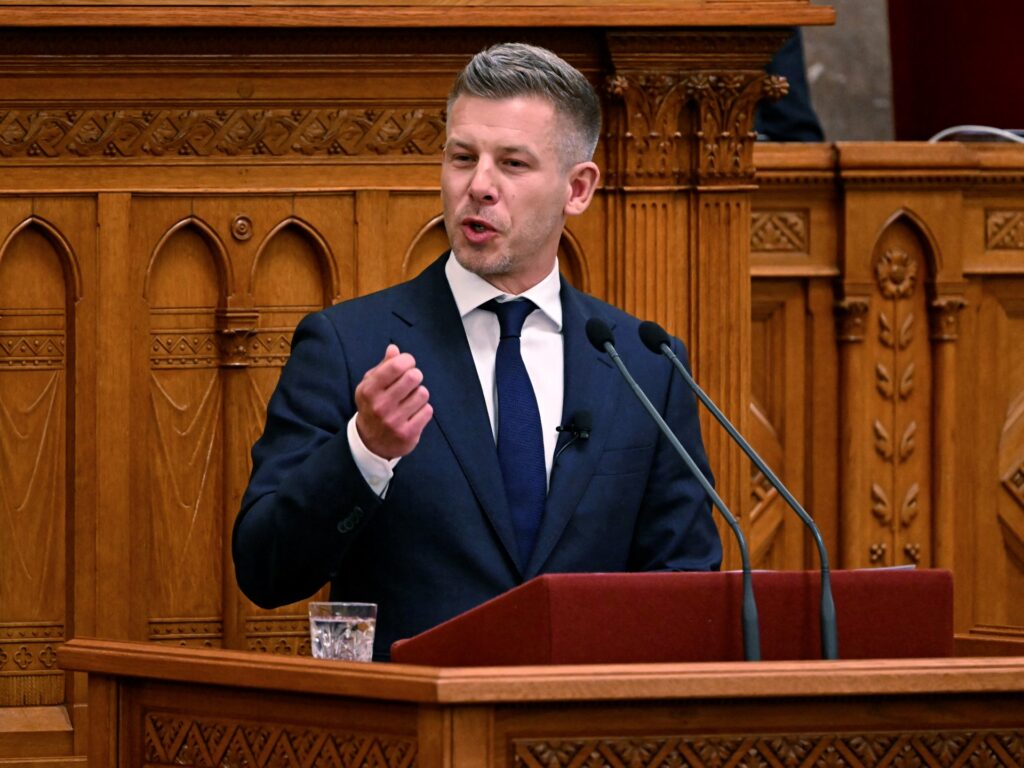
In a significant political shift, Peter Magyar has been sworn in as Hungary’s new Prime Minister, bringing an end to Viktor Orban’s 16-year tenure as the head of government. Magyar’s rise to power comes after his Tisza party secured a commanding majority in the recent parliamentary elections, signaling a new chapter in Hungarian politics.
Orban, who had dominated Hungary’s political landscape for nearly two decades, faced mounting opposition and public demand for change. The election results reflected widespread desire for a different direction, with Magyar’s Tisza party capitalizing on this momentum to achieve overwhelming support from voters.
Peter Magyar is now tasked with navigating the complexities of governing Hungary amidst both domestic and international challenges. His Tisza party’s strong parliamentary presence provides a clear mandate to implement its policy agenda and reform initiatives. Analysts suggest that Magyar’s leadership style and political priorities could mark a notable departure from Orban’s approach.
The Tisza party’s platform emphasizes economic development, social reforms, and strengthening Hungary’s position within the European Union. Observers note that this might lead to increased collaboration with EU institutions, a contrast to some of Orban’s more contentious policies.
Magyar’s inauguration ceremony was attended by key political figures and dignitaries, underscoring the peaceful and democratic transition of power. The atmosphere was one of cautious optimism, as citizens and political commentators alike awaited the new government’s direction.
Opposition groups have expressed hope that Magyar’s administration will address issues such as corruption, judicial independence, and media freedom, which were points of criticism during Orban’s long tenure. Meanwhile, supporters of the Tisza party are eager to see tangible improvements in public services and economic opportunities.
Internationally, Magyar’s ascent has been welcomed by various EU leaders and foreign governments, who view this change as a positive step for Hungary’s democratic development and regional stability. The new Prime Minister is expected to engage in diplomacy aimed at fostering stronger ties with neighboring countries and key partners.
However, challenges remain, including managing Hungary’s economic recovery amid global uncertainties and addressing social divisions that have surfaced during previous administrations. How Magyar’s government responds to these issues will be critical in shaping the country’s future trajectory.
Political analysts emphasize the importance of Magyar’s ability to maintain the broad coalition that granted him power, as internal party unity will be essential for sustained governance. Additionally, the government’s policy decisions will be closely scrutinized by both domestic stakeholders and international observers.
Peter Magyar’s premiership represents a historic moment for Hungary, reflecting the dynamic nature of democratic processes and the power of electoral change. As the country embarks on this new phase, many watch with hopeful anticipation for progress and stability.
In summary, the swearing-in of Peter Magyar as Hungary’s Prime Minister marks the end of Viktor Orban’s long-standing rule, opening a new chapter defined by the Tisza party’s dominant parliamentary presence and potential reform-driven governance. The coming months will reveal how effectively Magyar’s administration can deliver on its promises and manage the complex landscape of Hungarian politics.