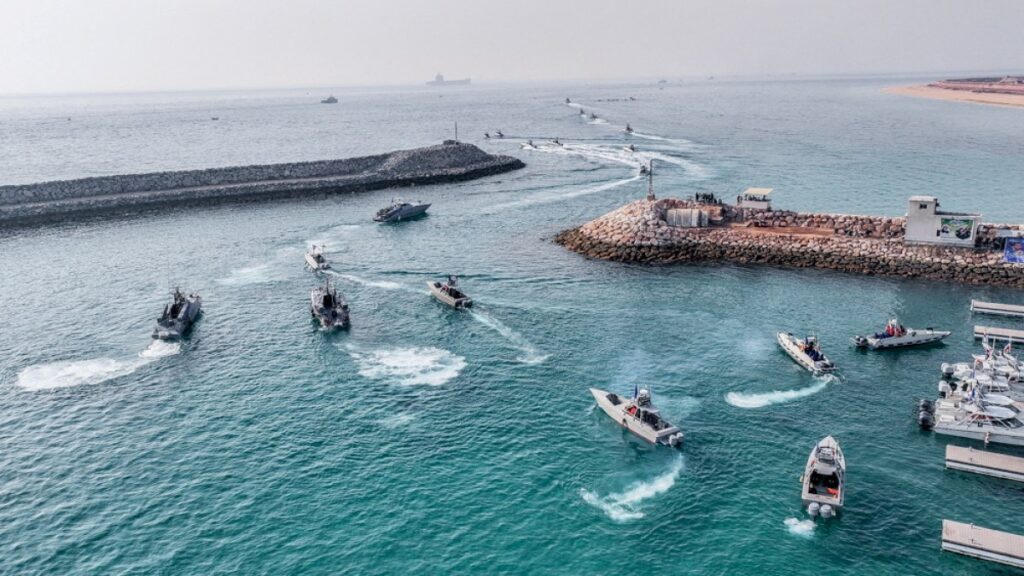
Iran has claimed it seized a tanker in the Gulf of Oman, escalating tensions in the already volatile region. This development comes just hours after a dangerous exchange of fire occurred between US and Iranian forces in the Strait of Hormuz, a critical chokepoint for global oil shipments. According to Iranian officials, the tanker was apprehended for what they described as violations, though specific details remain scarce.
On the other hand, US authorities reported having ‘disabled’ two ships, a move indicative of the growing military confrontations between the two nations. These aggressive actions have intensified fears of a broader conflict and complicate ongoing diplomatic efforts aimed at establishing a ceasefire.
The Gulf of Oman and the Strait of Hormuz are strategic waterways that have been hotspots for geopolitical friction. Both the US and Iran have vested interests in maintaining influence over these maritime routes, as they are vital for energy exports and international trade.
The recent skirmishes mark one of the most serious flare-ups between the two countries in months. The US has accused Iran of threatening freedom of navigation and maritime security in the region. Meanwhile, Iran views US naval operations as provocative and a breach of its sovereign rights.
Diplomatic channels have thus far struggled to contain the situation. International actors have called for restraint and dialogue to prevent an escalation into full-scale conflict. The incident underscores the fragile nature of peace efforts and the complexity of resolving long-standing disputes in the Middle East.
The seizure of the tanker and the disabling of US ships highlight how maritime confrontations remain a dangerous flashpoint. Analysts suggest that without urgent diplomatic engagement, the risk of accidents or miscalculations leading to wider hostilities remains high.
This episode adds to a pattern of recurring tensions in the Gulf, where economic sanctions, military presence, and political rivalries continuously intersect. Both Iran and the US are under pressure domestically and internationally to assert their positions, making compromise challenging.
As the situation unfolds, the international community watches closely, aware that stability in the Gulf is crucial for global energy markets and regional security. Efforts to revive dialogue and negotiate a ceasefire are more critical than ever to prevent further escalation and ensure safe passage for commercial vessels navigating these vital waters.