The United States has imposed sanctions on Ali Maarij al-Bahadly, the Deputy Oil Minister of Iraq, accusing him of aiding Iran in circumventing international sanctions and facilitating the export of Iranian oil through Iraqi territory. This move by the US highlights ongoing concerns about Iran’s efforts to bypass sanctions and secure revenue despite restrictions.
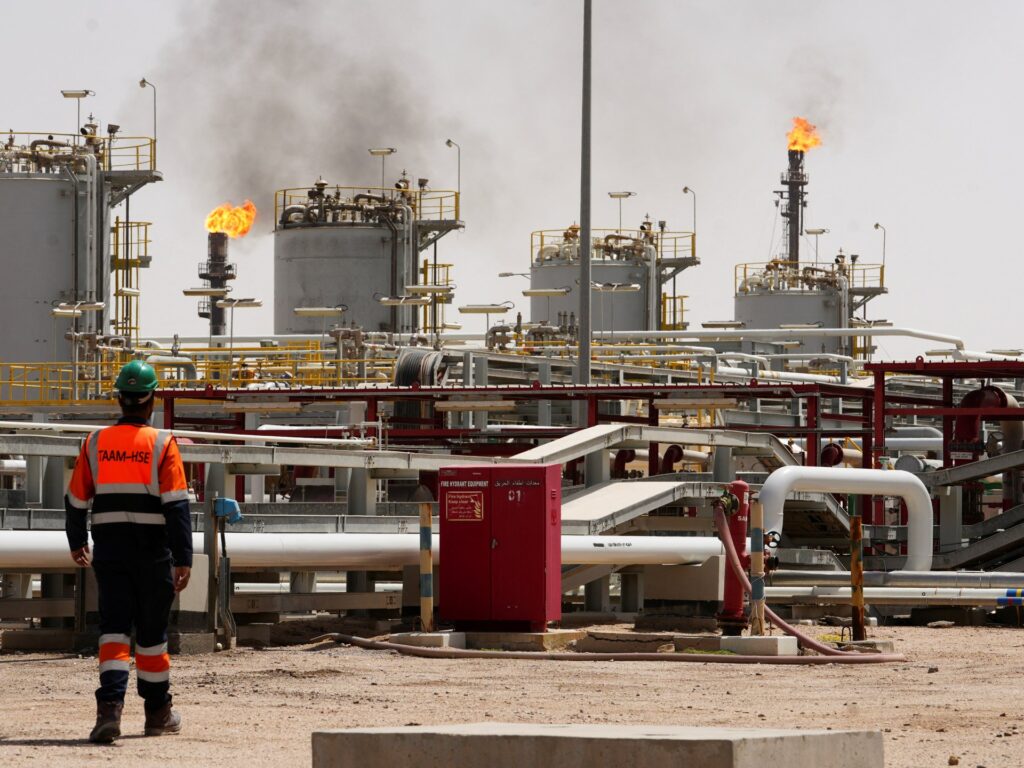
According to US officials, al-Bahadly used his position within Iraq’s oil ministry to help Iran secretly export its oil, undermining the effectiveness of international sanctions aimed at curbing Iran’s nuclear and missile programs. The US accuses him of enabling these activities by exploiting Iraq’s oil infrastructure and channels.
The sanctions come amid heightened tensions in the Middle East, where the US has sought to exert pressure on Iran by targeting its economic capabilities, including the oil sector which is critical to its economy. Iraq, which shares a border with Iran, plays a strategic role in the region’s oil trade dynamics.
Analysts note that Iran has increasingly relied on clandestine methods to sell its oil, often involving neighboring countries like Iraq. These sanctions serve as a warning to officials who might facilitate such illicit activities.
The sanctions typically involve freezing any assets al-Bahadly holds in the US and prohibiting American individuals and companies from doing business with him. This action makes it more difficult for al-Bahadly to operate internationally and sends a strong signal to Iraq and the region about the consequences of supporting Iran’s sanction evasion efforts.
The Iraqi government has yet to publicly respond to the sanctions or the accusations against al-Bahadly. However, the sanctioning of a high-ranking Iraqi official by the US reflects the complex balancing act Baghdad faces between maintaining its relationship with Iran and managing its ties with the United States.
These developments underscore the continuing geopolitical struggle over influence in Iraq and the broader Middle East. The US sanctions are likely to increase scrutiny of Iraq’s oil industry and its regulatory mechanisms to prevent further assistance to Iran’s sanction evasion.
In conclusion, the US has sanctioned Iraq’s Deputy Oil Minister Ali Maarij al-Bahadly for his alleged role in helping Iran bypass sanctions and export its oil through Iraq. This measure forms part of a broader US strategy to tighten economic pressure on Iran and disrupt its ability to fund activities considered destabilizing by Washington. The incident highlights the challenges faced by Iraq in navigating its relationships with powerful neighbors and global powers amid ongoing regional tensions.