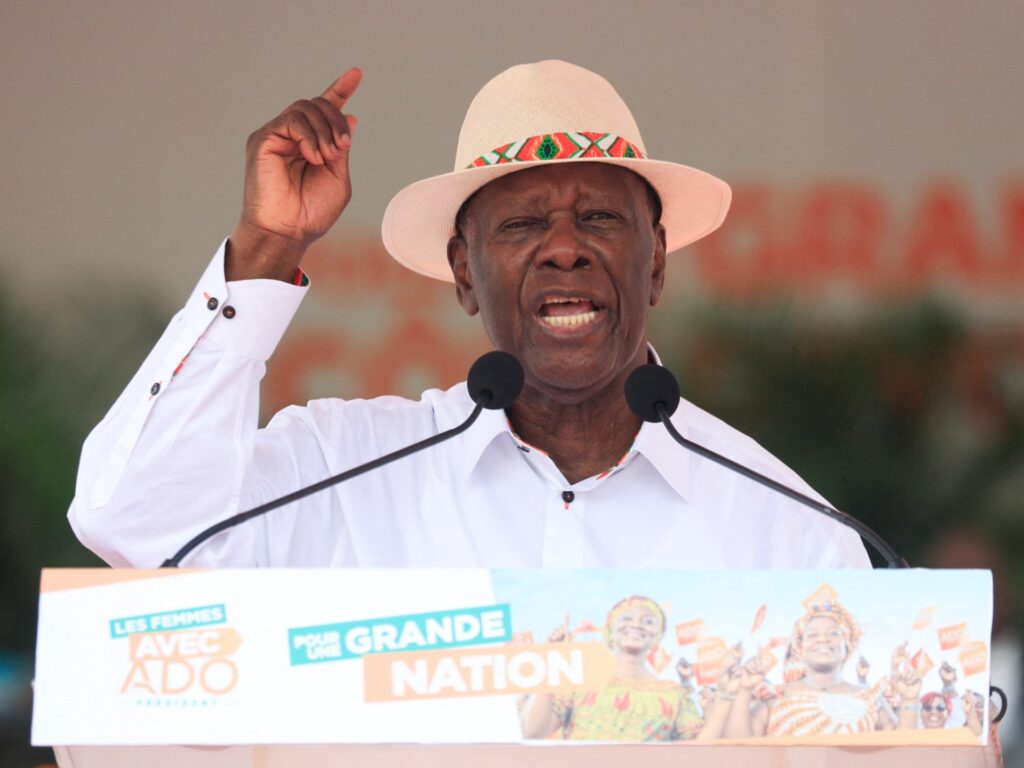
The government of Ivory Coast has officially dissolved its national electoral commission, a decision that has sparked significant public and political discourse. The dissolved body faced widespread criticism over allegations of lacking independence, which many claimed undermined the integrity of the electoral processes in the country.
The electoral commission, responsible for overseeing elections and ensuring their fairness and transparency, had been under scrutiny for months. Critics accused the commission of bias and questioned its ability to manage elections impartially, citing instances that suggested undue influence from political entities.
In response to these concerns and mounting pressure both domestically and internationally, the authorities have decided to disband the current electoral body. While this move aims to restore confidence in the electoral system, it also leaves a temporary gap in election oversight.
The government plans to establish a new agency to take over the responsibilities of managing elections in Ivory Coast. However, the new body is yet to be officially named or constituted, and details regarding its structure, governance, and operational framework remain unclear. The creation of a truly independent electoral agency is seen as crucial to safeguarding the country’s democratic processes and ensuring future elections are free, fair, and credible.
Civil society organizations, political parties, and international observers have welcomed the decision to dissolve the old commission but emphasize the importance of swiftly forming a new, transparent, and unbiased electoral body. They stress that the legitimacy of upcoming elections hinges on the perceived independence and competence of the agency responsible for managing them.
The transitional period poses challenges, as preparations for general elections must continue without a fully operational supervisory institution. To address this, interim mechanisms may be considered to oversee electoral activities until the new agency is established.
This development in Ivory Coast reflects broader regional concerns about electoral integrity and governance. Many African nations face challenges in establishing electoral commissions that command trust from all stakeholders.
Observers note that the formation of the new electoral body offers an opportunity for Ivory Coast to set a precedent in democratic governance by instituting reforms that promote transparency, inclusivity, and accountability.
As Ivory Coast moves forward, all eyes will be on the government’s next steps in defining the mandate and management of the successor agency. The success of this transition is critical not only for the country’s political stability but also for reinforcing democratic values in the region.
In conclusion, the dissolution of Ivory Coast’s electoral commission amid accusations of compromised independence marks a pivotal moment in the nation’s political landscape. The establishment of a new, impartial electoral authority is anticipated to enhance the credibility of the electoral process and strengthen the democratic framework in Ivory Coast.