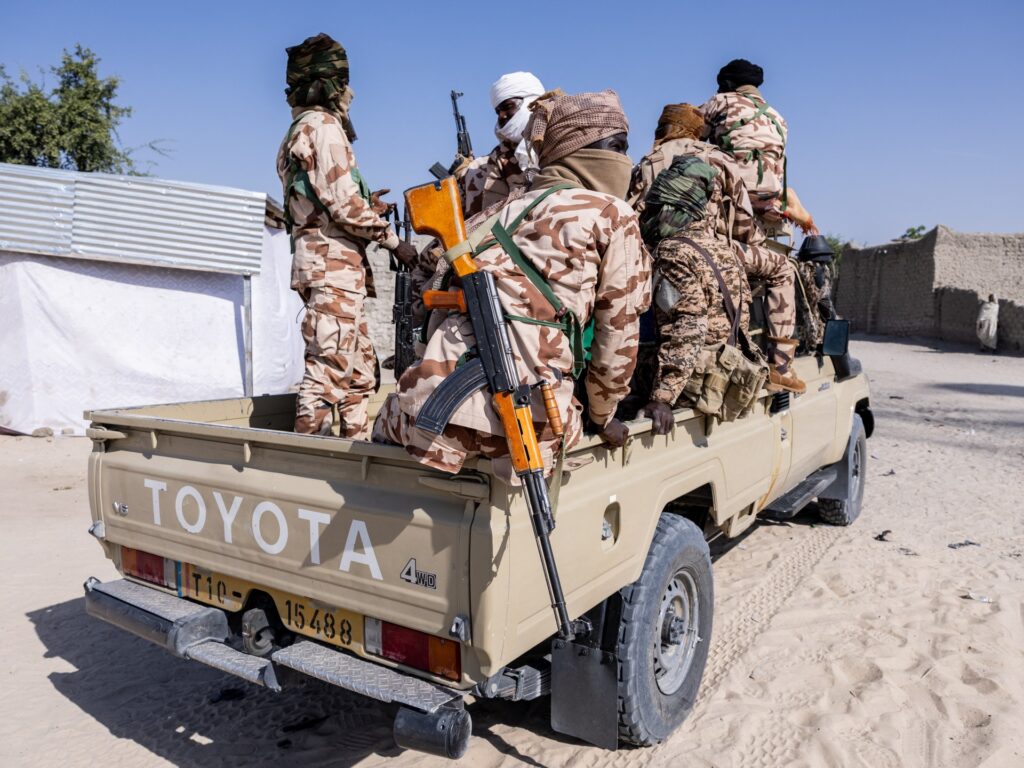
Chad has officially declared a period of national mourning in the wake of a deadly ambush by the Boko Haram extremist group near Lake Chad. This tragic event resulted in the killing of two high-ranking generals of the Chadian army, an attack that has sent shockwaves across the nation and underscored the persistent threat posed by Boko Haram in the region.
The ambush occurred in a region that has been a hotspot for militant activity, marking yet another violent episode in the ongoing conflict that has plagued the Lake Chad Basin. This recent assault adds to a grim list of attacks that have destabilized the area, causing significant casualties and displacement.
Prior to the ambush, the region witnessed a Boko Haram attack that left dozens dead, exacerbating the security challenges faced by Chadian forces and local communities alike. The insurgent group, notorious for its brutal tactics, has repeatedly targeted military personnel and civilians, aiming to undermine the government’s authority and spread fear.
The targeted killing of two generals is particularly alarming, as it represents a direct strike against the leadership of Chad’s military efforts to combat the insurgency. This loss has not only impacted military morale but also highlighted vulnerabilities in security protocols and the urgent need for reinforced strategies.
In response to the attack, the Chadian government has declared national mourning to honor the fallen generals and to unify the nation in grief and resolve. This move serves as a solemn reminder of the sacrifices made by those combating terrorism and the ongoing commitment required to achieve stability.
International partners and regional allies have expressed condolences and reiterated their support for Chad’s fight against Boko Haram. Collaborative efforts, including intelligence sharing and joint military operations, remain crucial in curbing the group’s influence and restoring peace.
The situation in the Lake Chad Basin continues to be complex, with Boko Haram and affiliated groups exploiting local grievances and porous borders to sustain their operations. Humanitarian concerns have also mounted, as communities face displacement, food insecurity, and limited access to vital services amidst the ongoing conflict.
Analysts emphasize that addressing the root causes of extremism, alongside robust military responses, is essential for long-term peace. Strengthening governance, improving economic opportunities, and fostering regional cooperation are integral components of a comprehensive strategy.
The national mourning declared by Chad signifies both a tribute to the fallen and a call to action. It underscores the resilience of the Chadian people and their commitment to overcoming the security challenges imposed by Boko Haram.
As the nation grieves, the government is expected to intensify its counter-terrorism measures and engage with international partners to ensure a coordinated response. The path ahead remains fraught with difficulties, but solidarity and determination offer hope for a more secure future in Chad and the wider Lake Chad region.
This tragic incident reminds the world of the ongoing struggles faced by countries combating extremism and the importance of global support in promoting peace and stability in vulnerable regions.