The ongoing conflict in Iran has sent ripples through global markets, with Africa feeling significant economic impacts as oil prices rise sharply. Several African nations, reliant on oil imports or exports, have found themselves in varied positions—some benefiting as oil exporters, while others face severe financial strain.
As the war escalates, global oil prices have surged, driven by concerns over supply disruptions from one of the world’s key oil producers. This volatility has directly affected African economies, which are diverse in their dependence on oil.
Oil-exporting countries like Nigeria and Angola have experienced a surge in revenues due to higher oil prices. For these nations, increased oil prices could mean improved national incomes, potentially allowing greater investment in public services and infrastructure. However, the positive impacts are tempered by global economic uncertainty and the risk of market volatility.
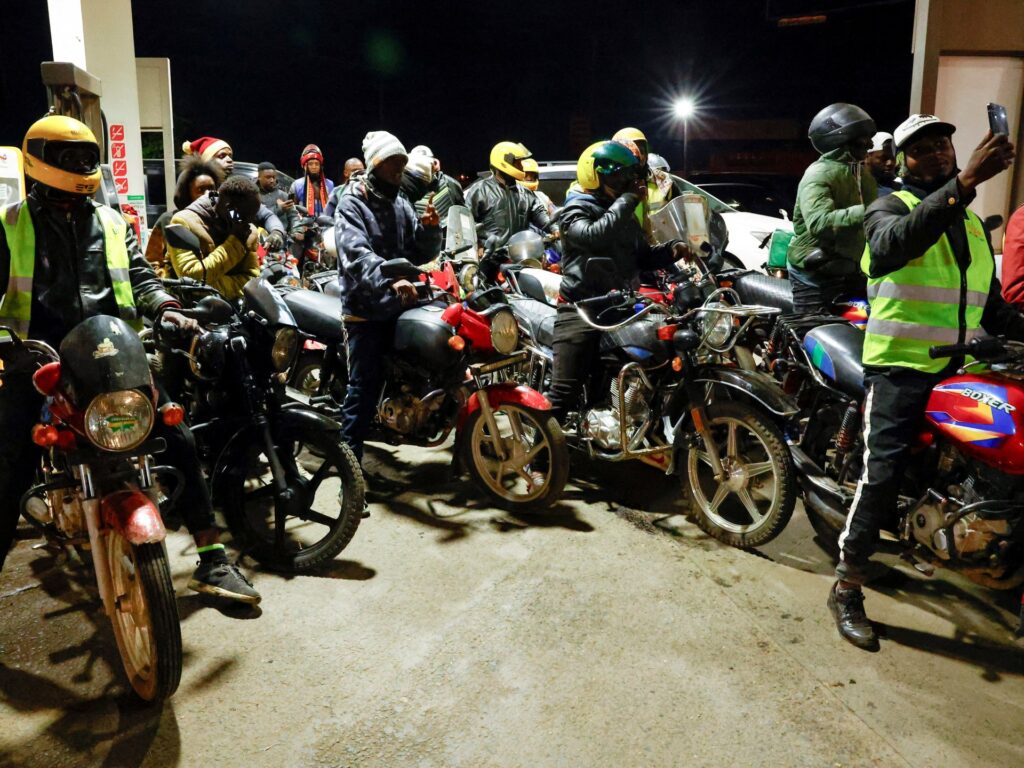
Conversely, oil-importing nations across Africa, such as Kenya and Ethiopia, are grappling with rising fuel costs, which cascade into higher transportation and production costs. This situation threatens to exacerbate inflation and economic instability, putting financial pressure on governments and citizens alike.
Several countries have sought financial assistance from international organizations to cushion the economic shock. Institutions like the International Monetary Fund (IMF) and the World Bank are reportedly in dialogue with impacted nations to provide emergency funding and economic support measures.
Economic experts highlight that the conflict-induced oil price increase will disproportionately impact vulnerable African populations. Higher energy costs can lead to increased prices for food and basic goods, thus deepening poverty and social unrest.
Moreover, economic uncertainty has affected investments across the continent. Businesses face increased operational costs and reduced consumer spending power, leading to a slowdown in economic growth.
Governments are urged to implement strategic measures to mitigate these effects. Energy diversification, investment in renewable sources, and more robust fiscal policies are cited as critical steps to build resilience against external shocks.
The situation remains fluid as the conflict in Iran continues. Global stakeholders are monitoring developments closely, recognizing that prolonged instability in the region could further aggravate oil market disruptions and impact African economies profoundly.
In summary, the war in Iran has become a pivotal factor shaping economic realities in Africa. Winners in the form of oil-exporting nations see temporary financial gains, while many others face challenges that call for urgent policy responses and international cooperation to ensure economic stability and sustainable development.