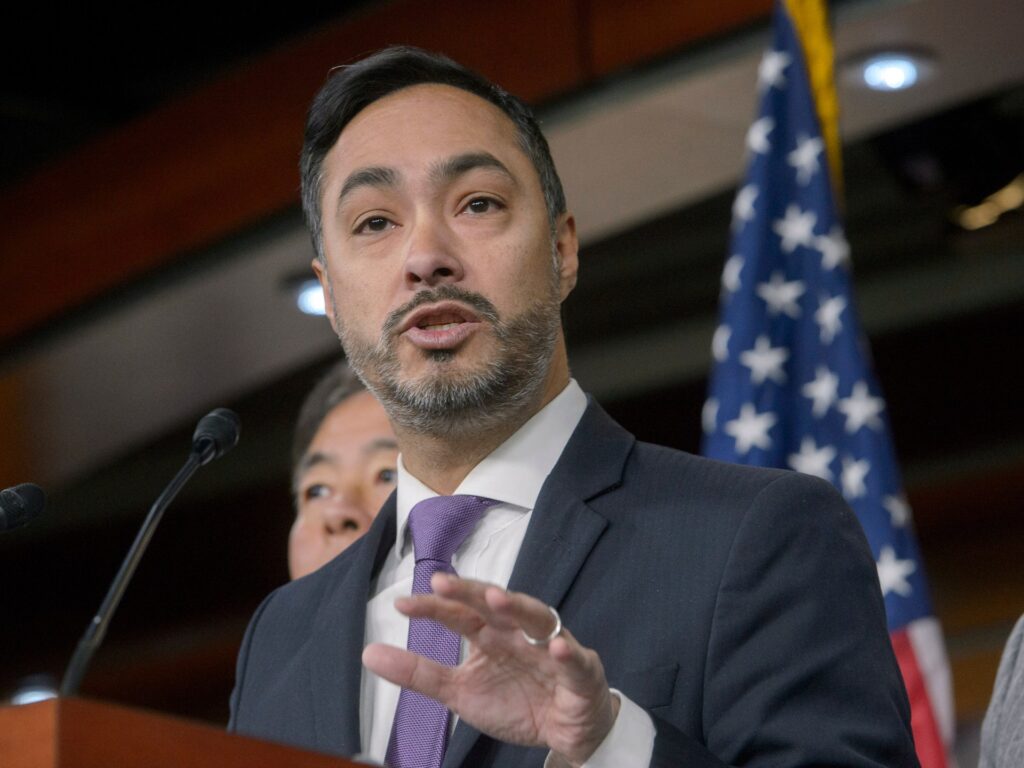
In a rare and significant bipartisan move, several US lawmakers have called for greater transparency regarding Israel’s nuclear capabilities. This unprecedented demand challenges the long-standing US policy of ambiguity, often referred to as the “nuclear opacity” stance, which has historically avoided officially acknowledging Israel’s nuclear arsenal. The lawmakers argue that this policy of ambiguity heightens risks, especially given the current heightened tensions in the region due to the ongoing conflict involving the US, Israel, and Iran.
For decades, the United States has maintained a deliberate policy of neither confirming nor denying Israel’s possession of nuclear weapons. This approach has been widely believed to help maintain regional stability by avoiding open confrontation and discouraging nuclear proliferation. However, as US-Israel relations become more entangled in the escalating conflict with Iran, some lawmakers believe this ambiguity may no longer be beneficial.
Critics of the policy assert that lack of transparency contributes to miscalculations and misunderstandings, increasing the risk of unintended escalation. They argue that clear policies and open acknowledgment could promote better diplomatic engagement and stability in the Middle East.
The push for transparency comes amid growing concerns about Iran’s nuclear ambitions, and the possibility of conflict escalating with far-reaching consequences. With Israel being a key US ally in the region, the stakes are high, and the call for a more forthright US stance reflects anxiety within Congress about the existing strategic calculus.
Supporters of the current policy maintain that ambiguity allows the US and Israel to maintain maximum strategic flexibility. They warn that recognizing Israel’s nuclear status openly could destabilize the fragile balance of power and provoke hostile responses from Iran and other regional actors.
Despite these warnings, the lawmakers pressing for transparency contend that the risks of ambiguity now outweigh the benefits. They emphasize the need for the US to confront regional realities with a more honest and transparent policy framework.
This debate highlights the broader challenges facing US foreign policy in the Middle East, where complex alliances and conflicts create a difficult environment for clear-cut decisions. How the US addresses Israel’s nuclear capability publicly could set a precedent affecting regional arms control, diplomatic relations, and security strategies.
As tensions continue to simmer, the call for transparency marks a notable shift in Congressional discourse, signaling possible changes in US approaches to Middle East security and nuclear policy in the coming years.