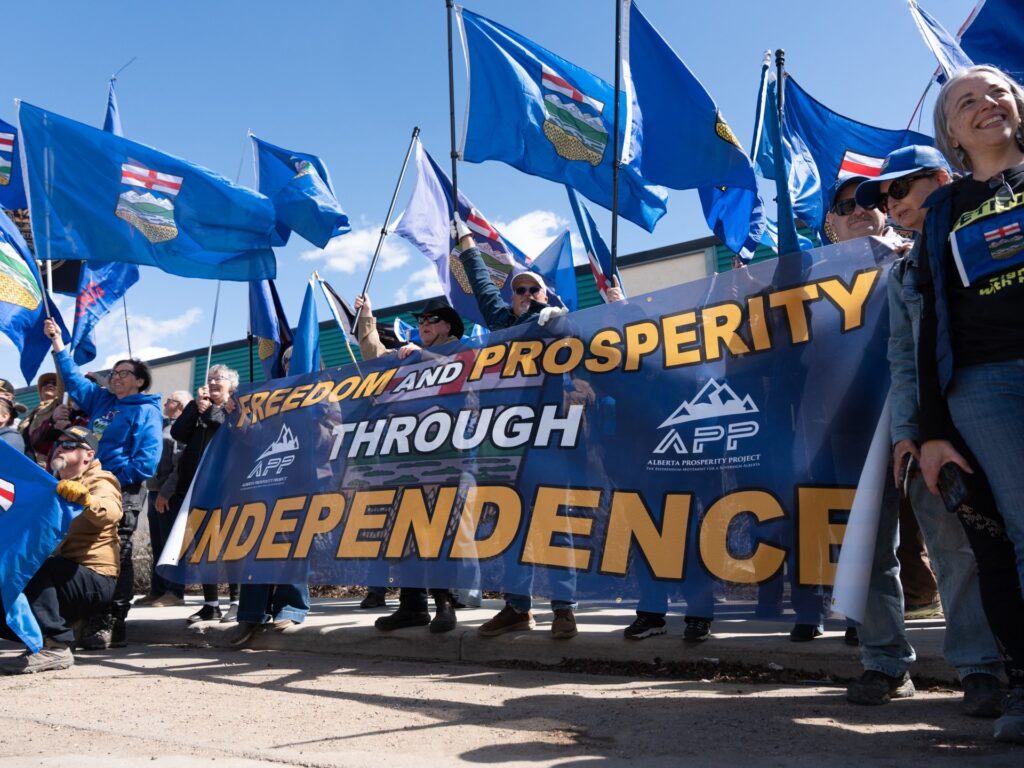
The secessionist sentiment in Alberta, Canada, stems primarily from a combination of economic, political, and cultural factors that have built up over several decades. Alberta’s vast oil reserves have long been the backbone of its economy, providing significant wealth not only to the province but to Canada as a whole. However, many Albertans feel that their contributions, primarily through oil revenues, are not adequately recognized or rewarded by the federal government.
This sense of economic grievance has been exacerbated by federal policies perceived as hostile or detrimental to the oil industry, such as environmental regulations and carbon taxes. Many locals argue that these policies disproportionately impact Alberta, stifling economic growth and job creation in the province’s key sector.
Additionally, political representation and autonomy play a crucial role in the secessionist movement. Alberta is often politically isolated within the Canadian federation, with voting patterns differing significantly from those in other provinces. This divergence fuels feelings of alienation and a desire for greater control over provincial affairs.
The rise of political parties and movements advocating for Alberta’s independence further highlights the depth of these sentiments. Some groups have pushed for an independence referendum potentially as soon as October, signaling a serious consideration of secession despite the complex legal and constitutional hurdles that exist.
The path to secession is fraught with challenges. Canadian law requires extensive negotiations between provincial and federal governments, and any referendum would need clear legal standing and widespread public support. The Supreme Court of Canada has previously ruled on similar issues, emphasizing that unilateral secession is not legally permissible without constitutional amendments.
Moreover, the economic implications of secession are significant. Alberta’s economy is heavily integrated with the rest of Canada and global markets. Questions about currency, trade, regulatory frameworks, and international relations remain unresolved in any scenario of independence.
Culturally, Alberta has a distinct identity shaped by its western heritage and resource-based economy, which contrasts with other Canadian provinces. This identity sometimes fosters a sense of resilience and self-reliance, contributing to the desire for independence.
In summary, Alberta’s secessionist movement is driven by a blend of economic concerns over how oil wealth is managed and shared, political disagreements with the federal government, and a unique provincial identity. Though an independence referendum might happen soon, the road to actual independence is complex, requiring significant legal, political, and societal shifts. The outcome will depend on negotiations, public opinion, and Canada’s broader unity challenges in the years ahead.