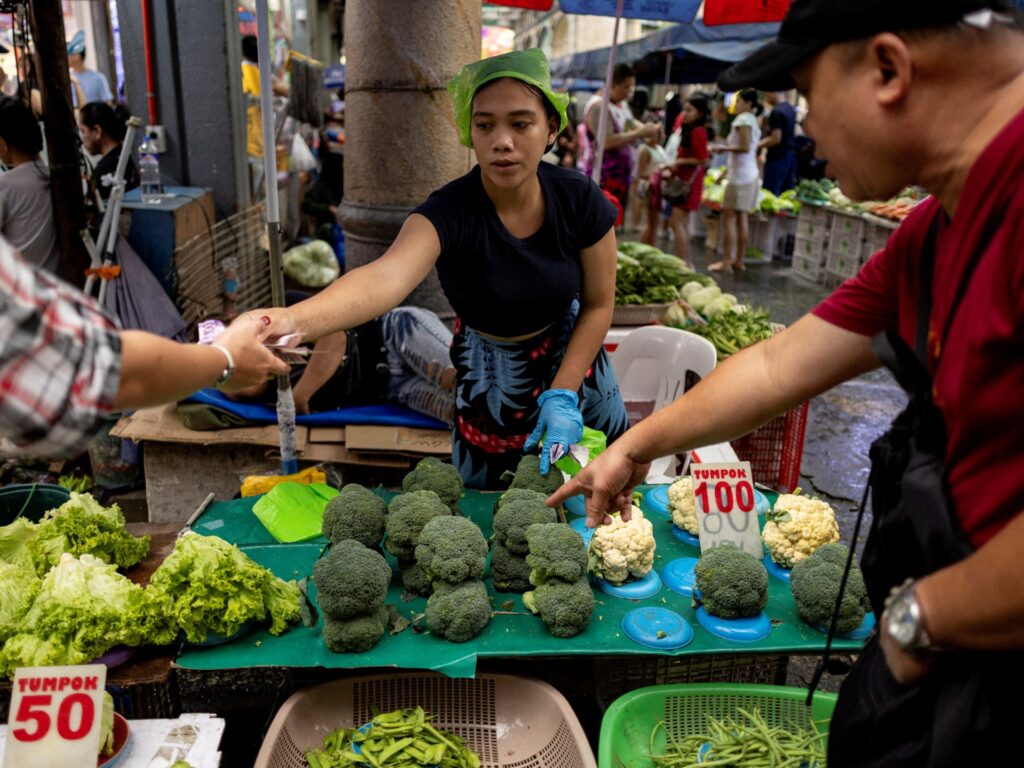
The ASEAN summit has kicked off in the Philippines amid growing concerns from residents about the soaring costs of fuel and its impact on daily living expenses. While the summit aims to address key regional issues such as economic cooperation, climate change, and security, the immediate concern for many citizens remains the rapid increase in fuel prices that is significantly affecting household budgets.
Fuel prices have surged due to a combination of global supply disruptions and inflationary pressures, leading to increased transportation and commodity costs across Southeast Asia. This inflation ripple effect means that not only transportation but also food and utility prices have escalated, intensifying the cost of living crisis for many people in ASEAN member countries.
Leaders from the ten ASEAN nations—Brunei, Cambodia, Indonesia, Laos, Malaysia, Myanmar, the Philippines, Singapore, Thailand, and Vietnam—are convening to discuss strategies to stabilize the economy and enhance regional cooperation. However, public sentiment shows a prioritization of immediate economic relief to cushion the burden of rising prices rather than long-term geopolitical and environmental discussions.
Citizens in the host country have voiced their frustrations, stating that the cost of commuting and basic necessities has become unsustainable for ordinary families. Small business owners also report challenges maintaining operations as fuel-dependent transportation costs increase, forcing some to raise prices for their goods and services.
The summit presents an opportunity for ASEAN to consider more collaborative approaches for energy security and to seek sustainable solutions that may include better fuel subsidies, investment in renewable energy sources, and the creation of a more resilient supply chain to mitigate future shocks.
Moreover, the discussion around fuel costs highlights broader concerns about economic inequality and social welfare in ASEAN countries, compelling leaders to integrate these themes within their regional development agenda. There is a call for increased focus on social safety nets and targeted assistance programs to support vulnerable populations affected by inflation.
Despite these challenges, the summit aims to reinforce ASEAN’s commitment to unity and regional stability. Host nation representatives emphasize that addressing fuel cost inflation will be a key priority in their joint declarations and action plans.
As the summit progresses, all eyes are on ASEAN’s ability to balance immediate economic pressures with its broader mission of fostering regional growth, cooperation, and sustainable development amidst a volatile global economic environment. How effectively the bloc can respond to these rising costs will significantly impact public trust and the region’s overall stability in the near future.