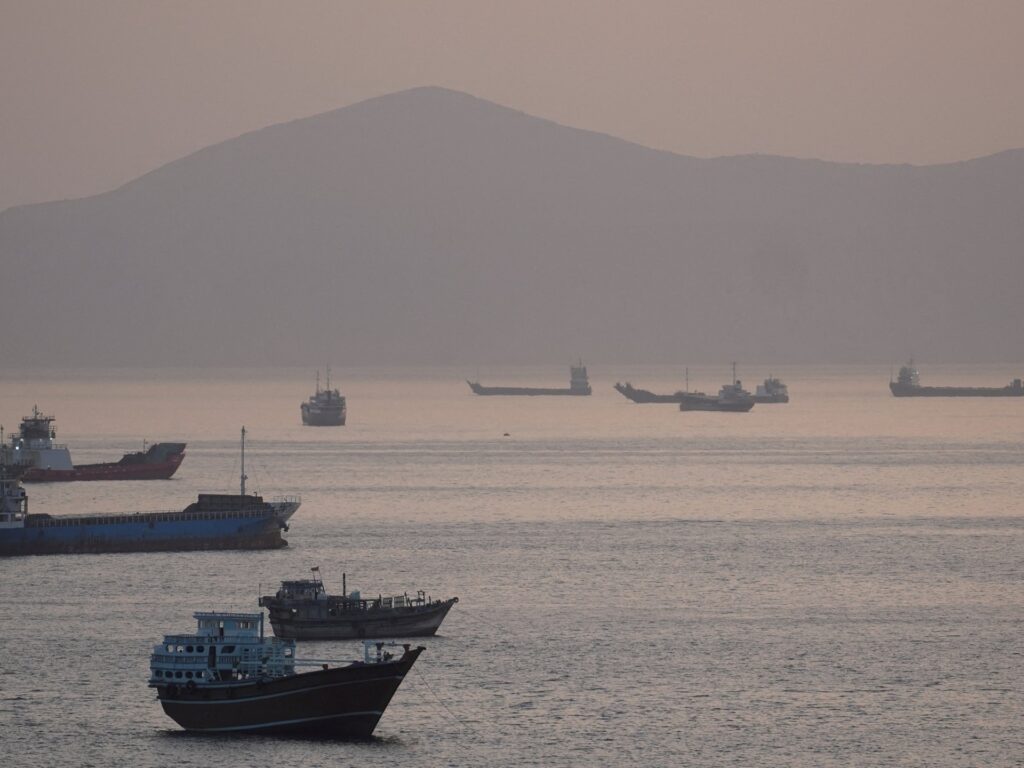
The Navy of Iran’s Islamic Revolutionary Guard Corps (IRGC) has officially assured that safe transit through the Strait of Hormuz will be maintained with new procedures now implemented. This announcement follows the United States’ decision to pause its operations in the strategically critical waterway, which serves as a vital maritime chokepoint for global oil shipments.
The Strait of Hormuz, connecting the Persian Gulf and the Gulf of Oman, is one of the world’s most important oil transit routes, with a significant portion of the world’s petroleum passing through it daily. Consequently, any tensions or security concerns in the region have far-reaching economic and geopolitical implications.
Iran’s IRGC Navy spokesperson indicated that despite the recent pause in U.S. naval operations, Iran will continue to uphold its commitment to secure and safe navigation for all vessels transiting the strait. New operational guidelines have been put in place to manage maritime traffic effectively and responsibly, aiming to mitigate risks and ensure the free flow of commerce.
The U.S. decision to suspend its maritime activities in the area came amid increased diplomatic communications and efforts to deescalate regional tensions. Analysts interpret this as a strategic move to allow for coordination with regional partners and to avoid misunderstandings that could lead to conflict.
Iran has historically underscored its role as a key security provider in the Persian Gulf, often emphasizing the importance of the Strait of Hormuz for both regional stability and the global energy market. The IRGC’s assurance comes as part of this broader narrative, signaling Tehran’s readiness to cooperate on maintaining maritime security.
International maritime organizations and shipping companies have welcomed the reassurances but continue to monitor the situation closely given the past incidents that have heightened tensions in the Gulf region.
Experts note that while the U.S. pause reduces the risk of immediate naval confrontation, ongoing vigilance remains necessary due to the presence of various actors with conflicting interests operating in the area.
The introduction of new procedures by Iran suggests an effort toward enhancing transparency and communicative coordination with international vessels to prevent misunderstandings and accidents.
This development may pave the way for renewed dialogue between the U.S., Iran, and other Gulf states on securing safe passage and addressing security challenges collectively.
The Strait of Hormuz will continue to be a focal point of geopolitical focus due to its unique strategic importance, and the recent statements by the IRGC underline Iran’s intent to be recognized as a responsible maritime actor.
In summary, the announcement by Iran’s IRGC Navy that safe transit will be assured following the U.S. operational pause in the Strait of Hormuz introduces a hopeful dynamic for maritime security. The implementation of new procedures aims at fostering a secure environment for all maritime traffic, crucial for regional stability and the global economy.