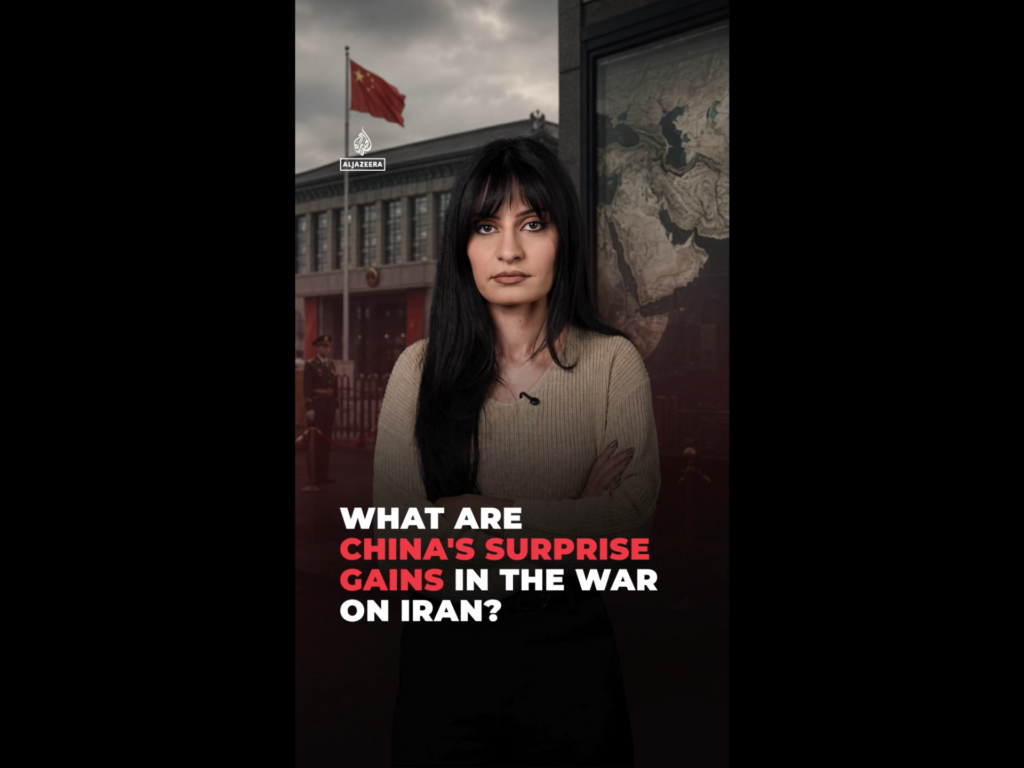
Recent developments in the geopolitical landscape highlight China’s unexpected gains in the ongoing conflict involving Iran. As tensions mount and international negotiations unfold, Iran’s Foreign Minister Abbas Araghchi has arrived in Beijing to seek China’s support regarding a potential deal with the United States. This visit is critical, as it underscores China’s emerging role as a key power broker in the Middle East, particularly concerning Iran’s strategic decisions.
China’s increasing influence stems from its multifaceted engagements with Iran, encompassing economic ties, security cooperation, and diplomatic support. One major gain for China is the strengthening of its position as a reliable ally to Iran amid Western sanctions and pressures. By providing a diplomatic platform and fostering dialogue, China not only enhances its geopolitical clout but also secures critical economic interests, such as energy supplies and infrastructure projects under the Belt and Road Initiative.
Economically, China has expanded its investments in Iran’s energy sector, cementing a long-term partnership that is less susceptible to external disruptions. This energy cooperation provides China with a steady supply of oil and gas, which is essential for its growing economy. Furthermore, these partnerships open avenues for Chinese companies in sectors like telecommunications, transportation, and technology.
Diplomatically, China’s role in mediating talks between Iran and the United States signals its ambition to be recognized as a global diplomatic heavyweight. By positioning itself as an intermediary, China gains leverage over US foreign policy in the region and can influence the outcome of the nuclear deal negotiations. This enhances China’s stature on the world stage and demonstrates its capacity to affect major international conflicts.
Security-wise, while China maintains a careful stance to avoid direct military entanglement, its support reinforces Iran’s strategic autonomy. China’s diplomatic backing and potential intelligence sharing can embolden Iran to adopt firmer negotiating positions without fearing isolation.
The timing of Foreign Minister Abbas Araghchi’s visit is significant. With US-Iran relations at a critical junction, Iran’s appeal to China for support hints at Tehran’s strategy to diversify its alliances and counterbalance US influence. This diplomatic maneuvering places China in a stronger position to dictate terms and influence regional stability.
In conclusion, China’s surprise gains in the war on Iran are marked by enhanced diplomatic influence, deepened economic ties, and strategic leverage over regional affairs. By supporting Iran in its negotiations with the US, China not only solidifies a crucial alliance but also positions itself as a dominant power capable of reshaping the dynamics of Middle Eastern politics and beyond.