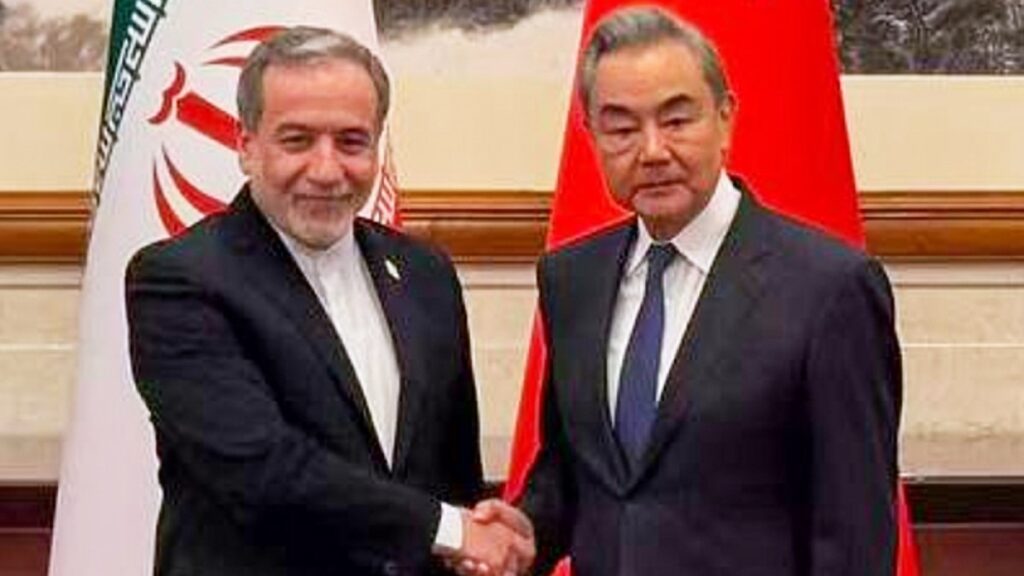
In recent developments, Iranian diplomat Abbas Araghchi’s visit to Beijing has sparked significant discourse among analysts regarding the potential role China might play in influencing the trajectory of the ongoing tensions between the US and Iran. This visit comes at a crucial juncture, as both global powers navigate complex geopolitical dynamics.
The Strait of Hormuz, a strategic chokepoint through which a large percentage of the world’s oil supply passes, has long been a flashpoint in US-Iran relations. Recent escalations have underscored the importance of ensuring the strait remains open and secure for international navigation. Analysts suggest that both the US and China share an interest in reopening and securing this vital waterway, presenting a unique avenue for diplomatic engagement.
China’s growing influence in the Middle East, coupled with its economic interests, positions it as a pivotal mediator capable of bridging the gap between the US and Iran. The Chinese government has expressed a commitment to regional stability and has advocated for peaceful resolutions to conflicts, aligning with the shared goal of maintaining the free flow of commerce through the Strait of Hormuz.
During Araghchi’s discussions in Beijing, there is an opportunity to lay the groundwork for negotiations that prioritize mutual interests over entrenched hostilities. If successfully leveraged, China’s role could facilitate dialogue that leads to de-escalation and potentially a broader peace framework.
Furthermore, China’s strategic partnerships and longstanding relations with various Middle Eastern countries provide it with the leverage needed to influence Iran’s calculus in this conflict. The intersection of US interests in security and China’s focus on economic stability in the region could thus converge in a diplomatic solution.
While skepticism remains over the feasibility of China acting as an effective mediator, the convergence of US and Chinese interests in the Strait of Hormuz is a compelling factor that cannot be overlooked. Historically, external powers have played critical roles in shaping Middle Eastern geopolitics, and China’s emergence as a key actor introduces new dynamics to the equation.
The visit by Araghchi symbolizes a potential shift in Iran’s diplomatic strategy, signaling openness to multilateral discussions and broader international engagement. This could pave the way for renewed negotiations, contingent on constructive dialogue and tangible commitments from involved parties.
In conclusion, China’s role in the US-Iran conflict could be transformative if it capitalizes on shared interests, particularly the reopening of the Strait of Hormuz. As Araghchi’s visit unfolds, the international community watches closely, hopeful that this engagement might steer the situation towards peaceful resolution rather than further confrontation.