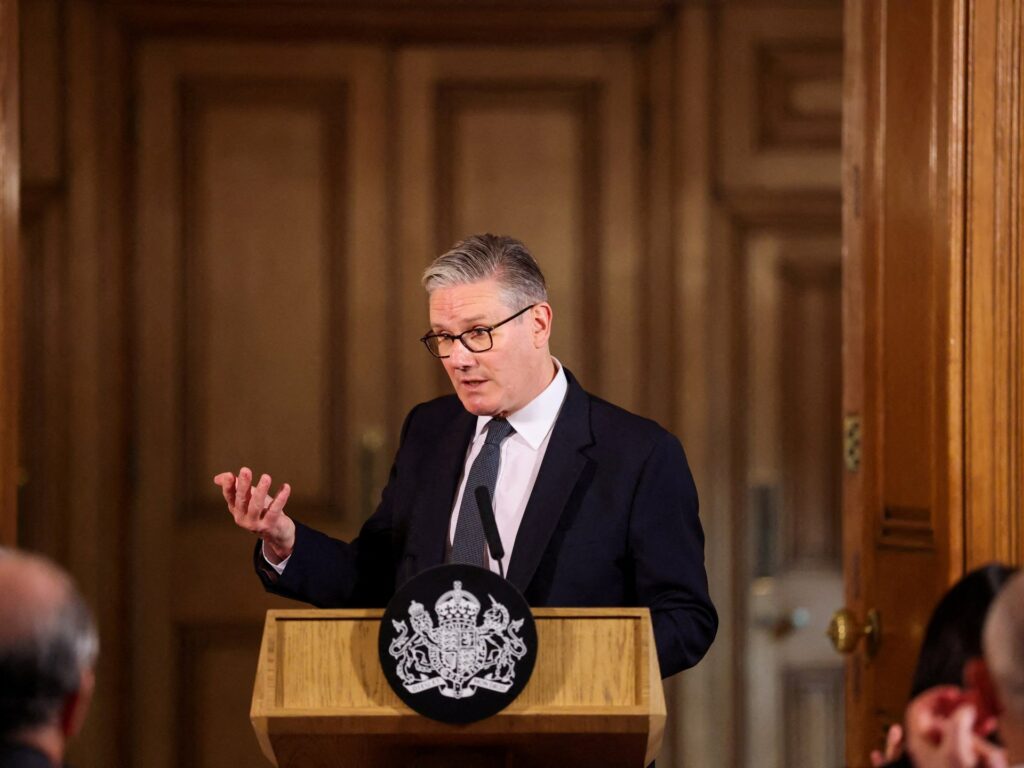
As the UK approaches the much-anticipated local elections this Thursday, political analysts and observers are gearing up for what some call ‘Starmer’s referendum.’ This term reflects the high stakes involved for Labour leader Keir Starmer, as the results could critically influence the party’s position and morale ahead of future national contests.
These elections are being viewed as a referendum on Starmer’s leadership and Labour’s recent policy directions. Over recent months, Labour has sought to rebrand and reposition itself under Starmer’s stewardship, aiming to regain voters’ confidence lost during previous national setbacks. However, the upcoming polls might deliver a sharp setback for the party, based on current trends and expert projections.
Reform UK and the Green Party are both expected to make significant gains in these elections. Reform UK, a relatively new political force with a populist, right-wing agenda, is appealing to voters dissatisfied with both traditional Conservative and Labour parties. Its anti-establishment rhetoric and focus on issues like Brexit and immigration have resonated in certain regions, enabling it to chip away at the major parties’ vote shares.
Meanwhile, the Green Party continues to build momentum by capitalizing on increasing environmental concerns among the electorate. Their progressive policies and emphasis on climate change appeal to younger and more urban voters, who are looking for alternatives to the conventional political offerings.
Analysts warn that Labour’s potential losses in local councils across the UK could expose deeper fractures within the party. Internal divisions regarding policy direction, leadership, and strategy have been simmering beneath the surface. Poor election results may intensify these tensions, leading to calls for reassessment or alterations at the top leadership level.
Moreover, the elections could underscore the fragmentation within the UK’s broader political landscape. With parties like Reform UK and the Greens saturating niches often neglected by the traditional two-party dominance, the electorate’s discontent with established political frameworks seems more pronounced.
Regional dynamics will also be critical in shaping the outcomes. Labour has historically enjoyed strongholds in many urban areas, but shifting demographics and local issues might alter voting behaviors. Similarly, the Conservatives’ grip on suburban and rural councils may be tested amid economic challenges and public dissatisfaction.
The local elections will therefore serve as a crucial barometer for public sentiment, gauging reactions to policy decisions made at Westminster and the effectiveness of local governance. Success or failure at this level has implications not just for council control but for the momentum heading into national elections.
Keir Starmer’s leadership journey is at a pivotal juncture. A Labour poor performance could be interpreted as a vote of no confidence, eroding his authority and triggering internal debates about the future of the party. Conversely, strong Labour showings might consolidate his position and validate the current party trajectory.
In conclusion, Thursday’s local elections represent more than routine political exercises; they are a litmus test for the Labour Party’s resilience and the UK’s evolving political fabric. Observers will be watching closely as results roll in, assessing whether these changes mark a new chapter of political realignment or a continuation of existing divides.