In a significant political development, the Democratic Republic of Congo (DRC) has witnessed widespread protests supporting the recent sanctions imposed by the United States on the former Congolese president. This rallying of public sentiment reflects a notable stance within the country in favor of international measures aimed at addressing governance and accountability issues.
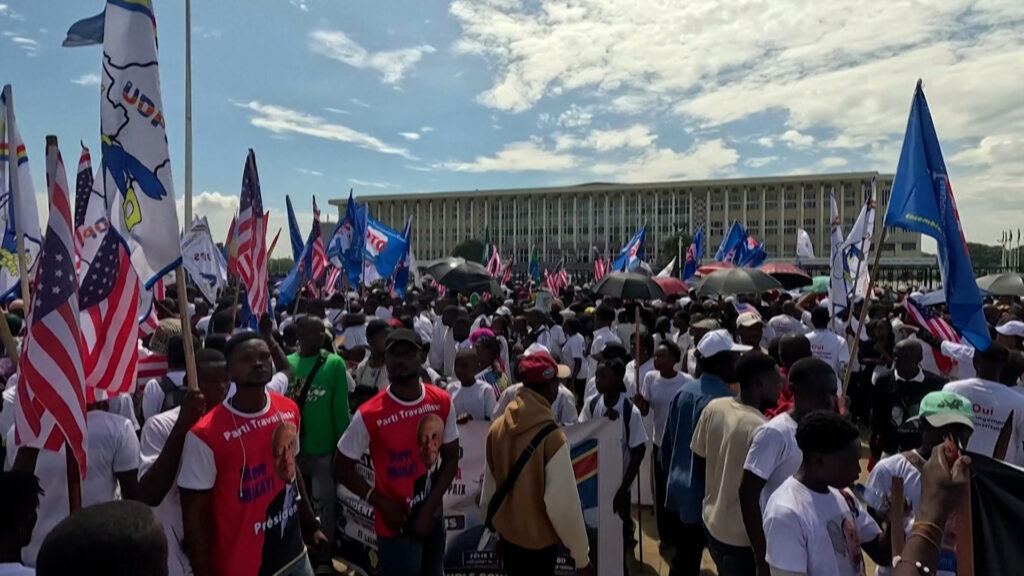
The protests, which spanned multiple major cities including Kinshasa, Lubumbashi, and Goma, saw thousands of demonstrators taking to the streets. The demonstrators expressed their endorsement of the US sanctions, signaling a desire among segments of the Congolese population for increased transparency and justice in the nation’s political landscape.
These US sanctions target the former president for alleged corruption and abuses of power during his tenure. The punitive measures include asset freezes and travel bans, aiming to pressure accountability and support democratic principles in the DRC.
The movement supporting these sanctions indicates a growing civil society engagement and a demand for international cooperation to tackle political misconduct. Protesters held banners and chanted slogans advocating for clean governance and the end of impunity in the country.
Analysts note that this public backing for external sanctions is relatively rare in the region, marking a pivotal moment in the DRC’s political discourse. It highlights an increasing awareness among Congolese citizens of global diplomatic tools as mechanisms for domestic reform.
The former president has yet to publicly respond to the sanctions or the protests. However, government officials have called for calm and urged all parties to engage in dialogue to maintain stability. The international community is closely monitoring the situation, emphasizing the importance of peaceful expression and respect for human rights.
This wave of protests underscores the complex interplay between domestic politics and international diplomatic efforts. It raises questions about the effectiveness of sanctions in promoting political change and the role of citizen activism in the DRC.
As the country navigates this challenging period, many hope that the protests will open avenues for constructive reforms and greater adherence to democratic norms. The situation remains fluid, with potential implications for the DRC’s future governance and its relations with global partners.
Overall, the protests in support of US sanctions against the former president mark a critical chapter in the DRC’s struggle for accountable leadership and highlight the increasing influence of international initiatives in shaping national political dynamics.