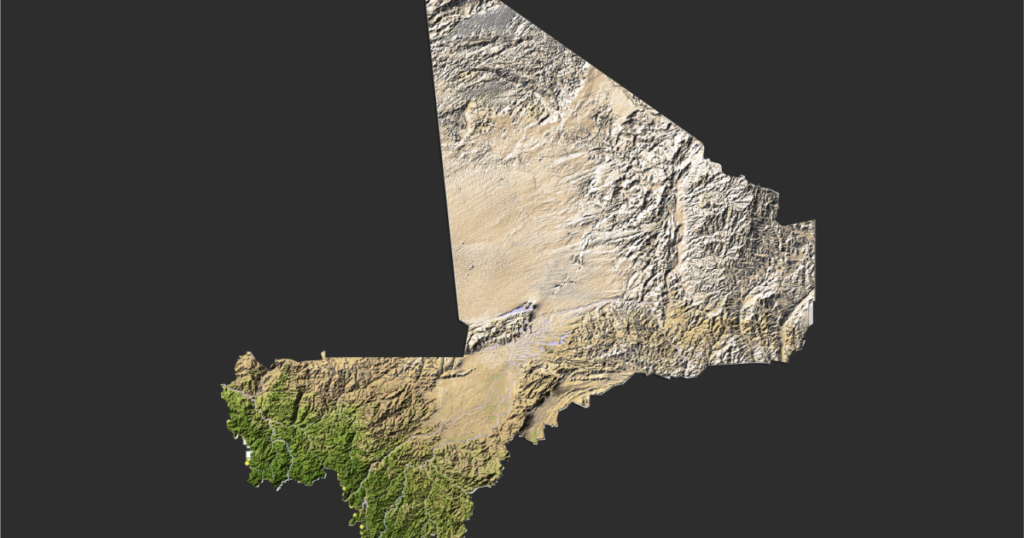
Mali, a West African nation, is emerging as a significant player in the continent’s mineral wealth landscape. The country boasts Africa’s third-largest gold reserves, making it a pivotal hub in the gold mining industry. This impressive standing in gold reserves underscores Mali’s potential to influence both local and international markets through its mineral exports.
Beyond gold, Mali is also endowed with substantial deposits of other valuable minerals, notably lithium and uranium. Lithium, a critical component in the manufacturing of batteries for electric vehicles and renewable energy storage systems, positions Mali as a potential key supplier in the global push towards cleaner energy technologies.
Uranium deposits in Mali add another layer of strategic importance to its mineral profile. As uranium is a vital element in nuclear energy production, Mali’s resources could be significant in contributing to the future energy needs both regionally and globally.
The geographic distribution of these minerals across Mali showcases a diverse geological landscape. Gold is predominantly mined in the southern and western parts of the country, areas that have attracted both artisanal and industrial mining operations due to the rich veins found there.
Lithium and uranium deposits are generally located in different regions, often requiring specialized extraction techniques and technologies. This spatial distribution necessitates targeted infrastructural development to efficiently harness these resources.
Mali’s government is increasingly recognizing the importance of these natural resources in fostering economic growth and development. Efforts are being made to attract foreign investment and improve regulatory frameworks to ensure sustainable extraction practices. This includes measures to balance economic benefits with environmental and social considerations.
Moreover, Mali faces challenges typical of resource-rich developing countries, including the need to manage resource wealth transparently and to address issues related to artisanal mining practices that can have environmental and social impacts.
The mining sector in Mali is a substantial contributor to the national economy, providing jobs and infrastructure development, but there is a continuous push to enhance value addition within the country. By investing in refining and processing capacities, Mali aims to increase its share in the global minerals value chain.
International partnerships and cooperation also play a critical role in mapping and developing Mali’s mineral wealth. Collaborations with global mining firms and development agencies help bring in expertise, technology, and capital necessary for exploiting these resources responsibly.
In conclusion, Mali’s gold, lithium, and uranium reserves mark it as a country with immense mineral wealth and potential. With strategic planning, sustainable practices, and international cooperation, Mali can harness its natural resources to fuel economic development while safeguarding environmental and community well-being.