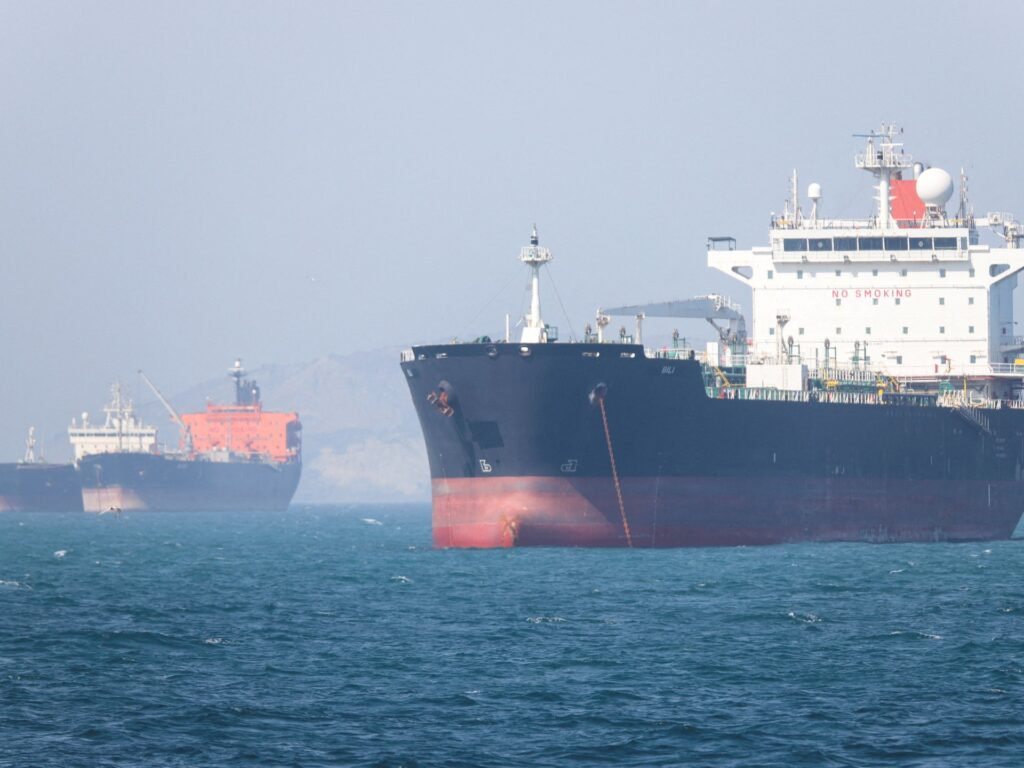
The Strait of Hormuz stands as one of the most strategically significant maritime passages in the world, acting as a critical artery for global oil supply. Located between the Persian Gulf and the Gulf of Oman, this narrow passageway is pivotal for Iran, not only due to its geographical positioning but also for its geopolitical leverage, particularly in dealings with Western powers such as the United States.
Iran’s control over the Strait of Hormuz provides Tehran with a powerful bargaining chip in its complex relationship with Washington. The strait sees roughly 20% of the world’s petroleum trade pass through it daily, making it a choke point capable of disrupting global oil markets if access is impeded. This strategic value renders the passage a centerpiece in Iran’s defense and foreign policy strategy.
From Tehran’s perspective, the control over Hormuz transcends military significance; it’s a tool of economic and diplomatic leverage. The ability to influence the flow of oil supplies grants Tehran a degree of power uncommon for a nation of its size and economic capacity. This leverage becomes crucial in nuclear negotiations, regional security discussions, and sanctions-related talks.
The Iranian Revolutionary Guard Corps (IRGC) has repeatedly underscored this point by conducting naval exercises near the strait and signaling their capacity to disrupt passage should regional or international tensions escalate. These demonstrations act as both reassurance to domestic audiences and stern warnings to external adversaries.
Strategically, the strait allows Iran to safeguard its coastal interests and project influence into the Arabian Sea, ensuring control over a vital connectivity line between East and West. Losing control or influence over this passage could significantly weaken Iran’s strategic posture in the region.
The United States, while maintaining strong naval presence in the Gulf, has faced challenges in securing unimpeded access through the strait due to Iran’s proximity and military capabilities. This dynamic fosters a tense environment where brinkmanship and strategic signaling are routine.
Economically, any disruption in the Strait of Hormuz’s operation risks sending shockwaves through international markets. Hence, Iran wields a unique position to impact global energy prices and economic stability, which it utilizes as a form of pressure in its diplomatic engagements.
Furthermore, Iran’s stranglehold on Hormuz serves as a deterrent against external intervention. It complicates the calculus for any potential military action against Iran, given the global implications of closing or controlling such a vital passage.
Regionally, Iran’s influence over Hormuz enhances its stature among Gulf neighbors and within the wider Middle East. It underpins Iran’s claims as a key regional power capable of shaping geopolitical outcomes.
Therefore, the Strait of Hormuz is not merely a geographic entity for Iran; it is an indispensable element of its national security strategy. relinquishing or diluting control over Hormuz would signal a significant strategic retreat, diminishing Tehran’s negotiating power and altering regional power balances.
As negotiations with Washington and other global actors continue to evolve, the status of the Strait of Hormuz remains a core factor. Tehran is unlikely to cede control voluntarily, understanding that the strait’s value as a leverage point in geopolitical dealings cannot be overstated.
In sum, the Strait of Hormuz embodies Iran’s ability to assert influence and defend its interests amid a challenging international environment. Its dominance over this passageway ensures that Iran remains a pivotal player in global energy security and regional geopolitics.