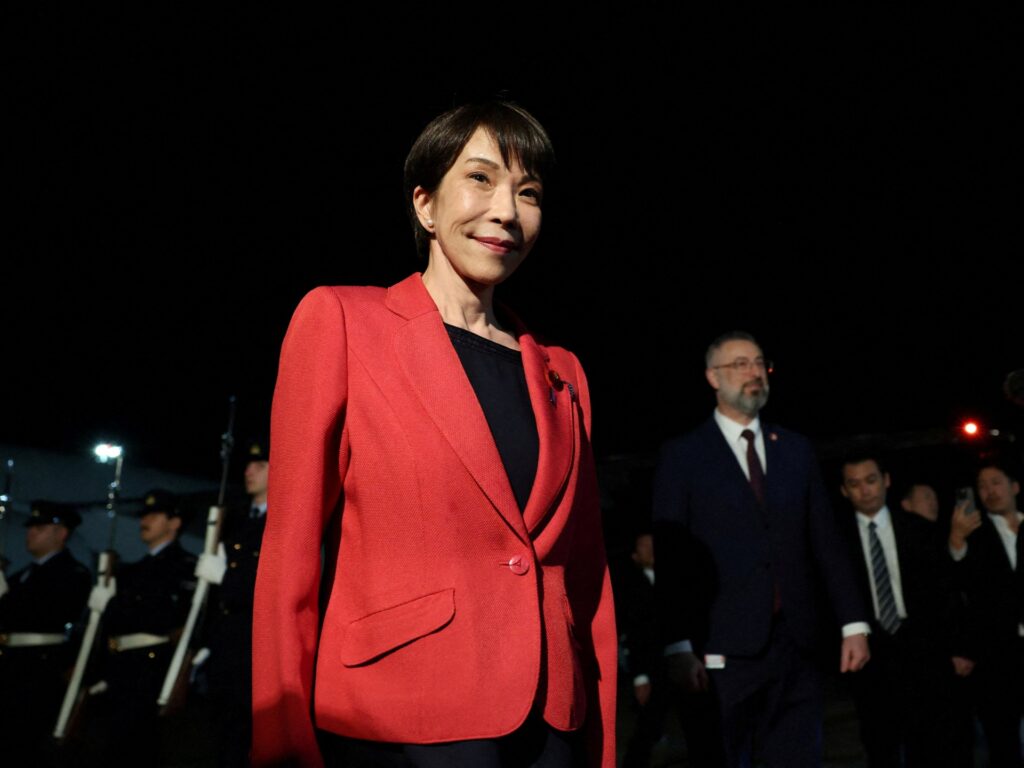
During a recent visit to Australia, Japan’s Prime Minister Sanae Takaichi addressed the mounting concerns surrounding the ongoing war in Iran and its profound effects on the global oil market. Takaichi emphasized the significant repercussions that the conflict has unleashed, particularly highlighting its enormous impact on the Asia Pacific region.
The Middle East, especially Iran, has long been a critical player in the world’s oil supply chain. The escalation of conflicts there has disrupted oil production and supply routes, leading to volatility in global oil prices. This instability directly affects countries in the Asia Pacific, which are heavily reliant on imported energy resources for their economies.
Prime Minister Takaichi’s trip to Australia was strategically timed to address these energy challenges. During her visit, she engaged in high-level talks and signed crucial agreements aimed at strengthening energy cooperation between Japan and Australia. These agreements focus on securing stable supplies of energy resources, including liquefied natural gas (LNG) and other fossil fuels.
Japan’s energy strategy has increasingly turned towards diversification to reduce its vulnerability to geopolitical tensions in the Middle East. The country is seeking to balance its energy portfolio by fostering partnerships with resource-abundant nations such as Australia, which boasts substantial reserves of LNG and coal.
The Asia Pacific region, hosting some of the world’s largest and fastest-growing economies, faces escalating energy demands. Any disruption in oil supply from the Middle East causes ripple effects—raising energy costs, triggering inflation, and potentially slowing economic growth across the region.
Japan’s recognition of the crisis underlines the interconnectedness of global energy markets and the necessity of regional cooperation. Takaichi’s comments serve as a call for concerted efforts among Asia Pacific countries to mitigate risks associated with Middle Eastern conflicts.
Australia, as a prominent energy exporter, has welcomed the opportunity to deepen ties with Japan. This partnership is poised to enhance energy security, ensure reliable energy flows, and buffer against future shocks stemming from geopolitical uncertainties.
Experts note that Japan’s proactive approach, combined with regional collaboration, could serve as a model for other Asia Pacific nations grappling with similar energy concerns. The agreements signed also encompass commitments to explore renewable energy projects and technologies, addressing longer-term sustainability goals amid the current crisis.
This visit and the consequent agreements signify a step forward in stabilizing the Asia Pacific’s energy landscape while navigating the challenges posed by conflict-driven disruptions in global oil markets. Japan remains committed to working with its regional partners to create resilient energy systems capable of withstanding external shocks.
In summary, Japan’s Prime Minister Sanae Takaichi has spotlighted the profound influence the Iran war oil crisis exerts on the Asia Pacific, underscoring the urgency of enhancing energy security through strategic alliances like that with Australia. This collaboration aims to safeguard the region’s economic stability and foster a sustainable energy future amid uncertain geopolitical times.