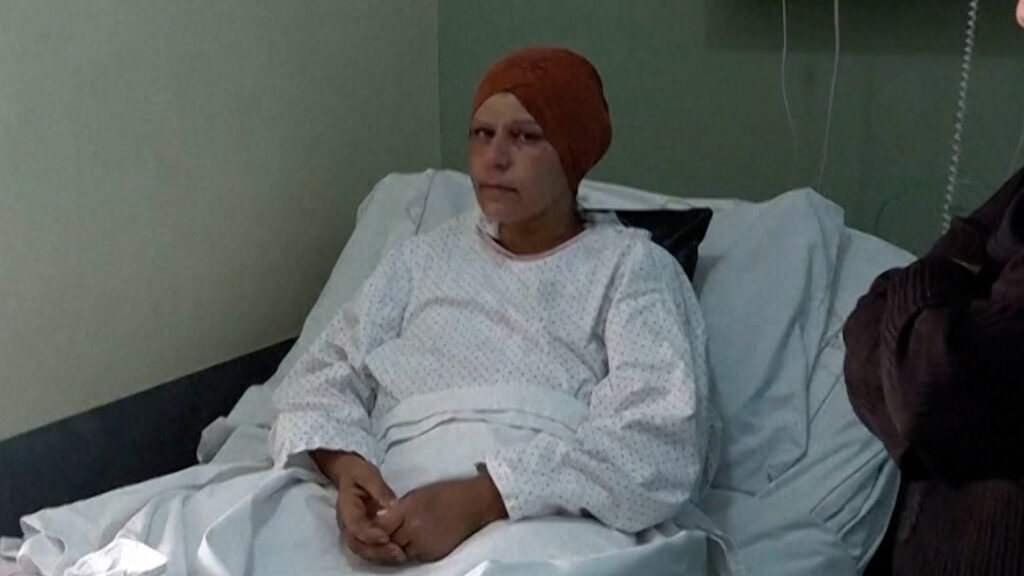
Hospitals across Lebanon are currently facing an unprecedented influx of patients due to injuries sustained in recent Israeli attacks. Medical facilities are overwhelmed with the sheer number of casualties, straining resources and staffing.
The aggressive military actions have resulted in a significant rise in emergency cases, including critical trauma, burns, and shrapnel wounds. Doctors and medical staff are working around the clock amidst shortages of essential supplies such as bandages, antibiotics, and surgical equipment.
Local health authorities have called for urgent international aid to support the Lebanese healthcare system, which is struggling to cope with the emergency situation. Many hospitals have set up triage centers to manage the flow of patients and prioritize care for those in the most serious condition.
The attacks have not only caused physical injuries but also inflicted psychological trauma on the affected populations. Mental health professionals report a surge in cases of acute stress and anxiety among victims and their families.
Despite the challenging circumstances, healthcare workers remain committed to providing the best care possible. However, the continuous bombardments and unstable security conditions hinder rescue and medical efforts.
Humanitarian organizations are coordinating with local authorities to deliver medical supplies and personnel, but access to some areas remains restricted due to ongoing hostilities.
The overwhelming number of injured patients has also led to overcrowded emergency rooms and wards, increasing the risk of infections and complications. Hospitals are adopting emergency protocols to manage the crisis, including postponing non-urgent procedures and reallocating staff.
Community support networks are emerging to assist with transport and care for the wounded, showing solidarity in these difficult times.
Medical professionals emphasize the urgent need for a ceasefire to allow safe passage of humanitarian aid and restoration of medical services.
The situation highlights the dire consequences of the conflict on civilian life and healthcare infrastructure in Lebanon. The international community is urged to intensify efforts towards peace and support for the affected population.
As hospitals continue to grapple with this humanitarian crisis, the resilience and dedication of Lebanon’s medical community stand as a beacon of hope amidst the devastation.