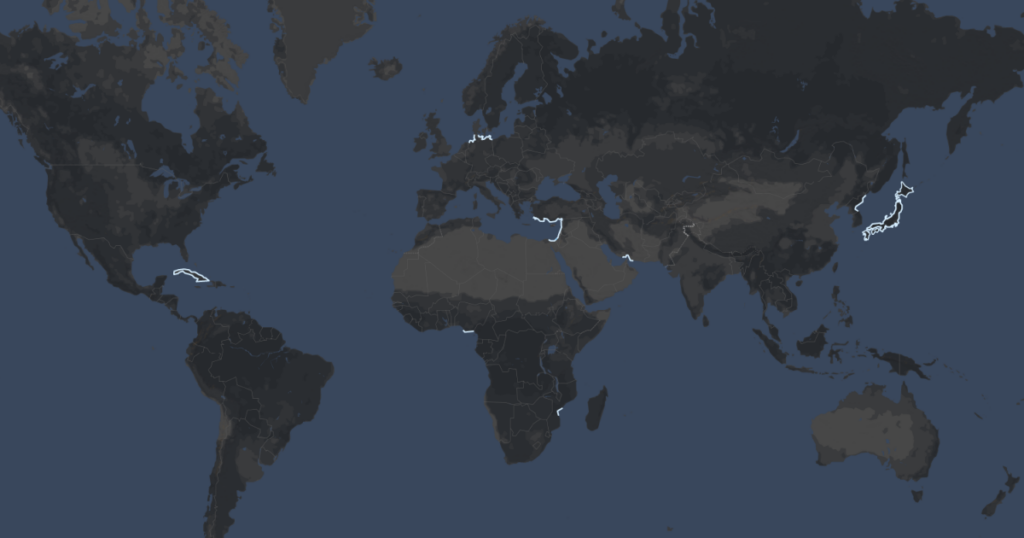
Naval blockades have been a pivotal element in warfare throughout history, leveraging control of critical sea routes to cut off supplies and force adversaries into submission. In modern times, the Strait of Hormuz blockade stands as one of the most significant examples, reflecting the ongoing strategic importance of maritime chokepoints.
The Strait of Hormuz, located between the Persian Gulf and the Gulf of Oman, is a vital corridor for global oil transportation, with nearly a fifth of the world’s petroleum passing through it daily. A blockade here can have far-reaching economic and geopolitical consequences, impacting energy markets and international security.
Historically, blockades have been used to isolate and weaken nations by restricting access to resources and trade. During World War II, the Allied naval blockade against the Axis powers significantly constrained their war effort by limiting fuel and raw materials. Similarly, the blockade of Cuba during the Cold War, known as the naval quarantine, was a political and military maneuver to prevent the Soviet Union from deploying missiles on the island.
More recently, tensions in the Persian Gulf have led to threats of blockades and actual disruptions to shipping in the Strait of Hormuz. These actions underscore the continuing relevance of naval blockades as strategic tools in modern geopolitical conflicts.
Other notable naval sieges include the blockade of Yemen by a Saudi-led coalition, aimed at restricting arms shipments and exerting pressure during the ongoing conflict there. This blockade has had severe humanitarian impacts, highlighting the double-edged nature of such military strategies.
The effectiveness of naval blockades depends largely on the ability to maintain sea control and the political will to enforce restrictions over extended periods. Technological advances, such as satellite surveillance and sophisticated naval weaponry, have enhanced the precision and impact of blockades but also introduced new challenges in enforcement and international law.
In conclusion, despite changes in warfare and technology, naval blockades remain a crucial strategy for projecting power and influencing outcomes in conflicts across the globe. The Strait of Hormuz blockade exemplifies the enduring strategic value of maritime dominance and the complex interplay of military, economic, and political factors in modern naval sieges.