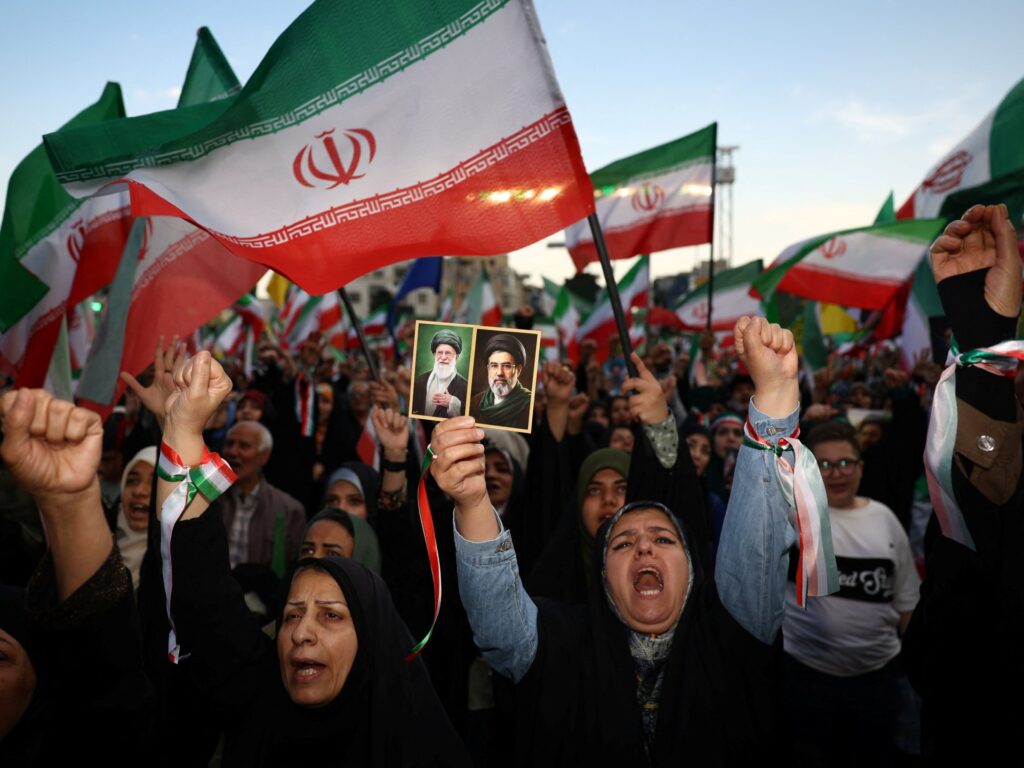
Iran has recently put forward a detailed 14-point proposal aimed at ending the ongoing conflict. This proposal represents a significant effort by Tehran to outline a pathway toward peace and de-escalation. However, the road to acceptance is complicated by deep-rooted mistrust between the involved parties, particularly between Iran and the United States.
The 14-point plan, while not fully disclosed in detail, reportedly includes measures such as mutual ceasefire agreements, phased withdrawal of foreign forces, guarantees on respecting national sovereignty, joint efforts to combat terrorism, and frameworks for diplomatic dialogue. Key aspects focus on both security assurances and incentives for cooperation, aiming to address the core grievances that have sustained the conflict.
The proposal also emphasizes the importance of international oversight and verification mechanisms to ensure compliance by all sides. Economic rebuilding and humanitarian aid provisions are part of the package to stabilize affected regions and improve civilian conditions.
Despite the potentially constructive nature of Iran’s proposal, the political environment complicates Trump’s decision-making process. The Trump administration has consistently viewed Iran with suspicion, particularly over its nuclear program and regional influence. This ingrained mistrust shapes reactions to any overtures from Tehran.
Trump is currently reviewing this latest proposal carefully, balancing domestic political pressures, the opinions of his advisors, and international relations considerations. Acceptance of the proposal would signal a major shift in U.S. policy and potentially pave the way for renewed diplomatic engagement.
However, given the history of tensions, including previous agreements like the 2015 nuclear deal which the U.S. later abandoned, skepticism remains high. Both sides accuse each other of bad faith and violating prior understandings, making mutual trust a critical and challenging hurdle.
Observers note that for the proposal to succeed, confidence-building measures would need to be implemented gradually, with transparent timelines and clear benefits for all participants. The international community, including European allies and global organizations, may play a supportive role in facilitating discussions and ensuring commitments are met.
In summary, Iran’s 14-point proposal is a comprehensive attempt to resolve the war through diplomacy and cooperation. Whether President Trump will accept this proposal depends heavily on overcoming mistrust, verifying Iran’s intentions, and navigating the complex geopolitical landscape that has defined prior interactions. The outcome remains uncertain, but dialogue and engagement could mark a hopeful turn towards peace if managed carefully.