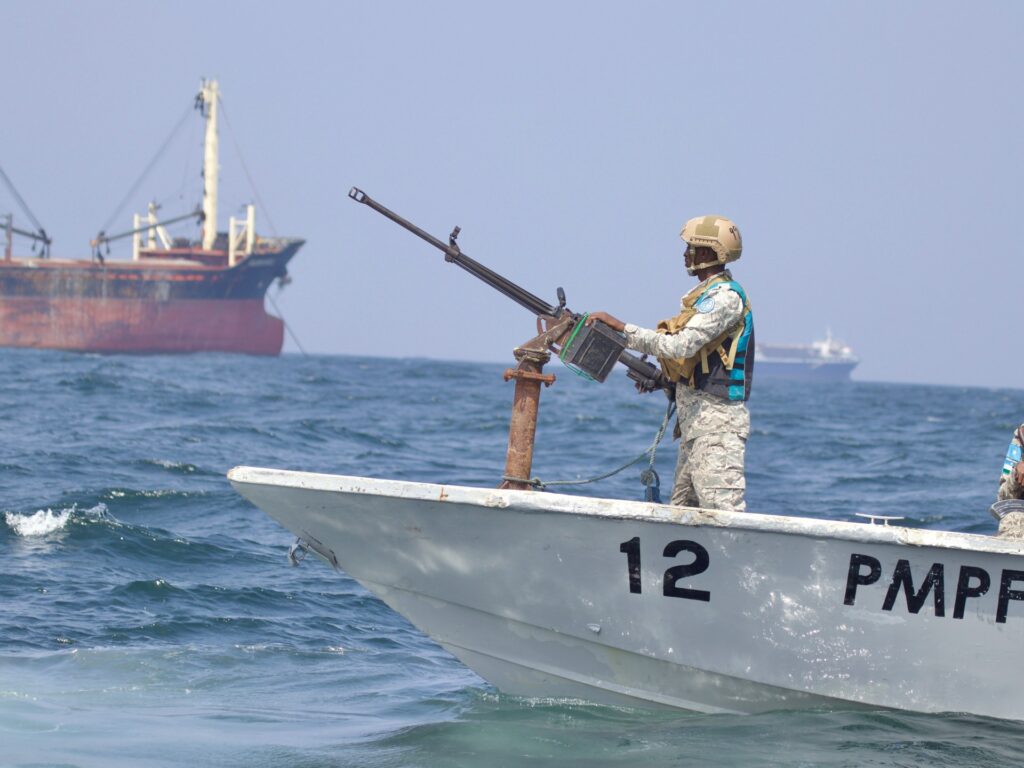
In a concerning development for maritime security in the region, Yemen authorities have reported that an oil tanker has been hijacked and is now heading toward Somalia. This incident is particularly alarming as it marks at least the fourth vessel hijacking near Somalia in recent weeks, highlighting a disturbing trend of escalating piracy and security challenges in these waters.
The hijacked oil tanker was reportedly seized by unknown armed groups, though details about the perpetrators and the exact circumstances remain limited. The tanker, carrying a significant cargo of oil, poses a substantial risk not only due to the value of its cargo but also because of the potential disruption to supply chains and environmental hazards that may arise from such acts of piracy.
The waters off the coast of Somalia have long been a hotspot for piracy, with various militant groups exploiting the region’s instability and limited naval presence to conduct hijackings and ransom demands. Despite international naval efforts and security measures, recent weeks have seen an uptick in these incidents, indicating a resurgence or persistence of the threat.
Yemen’s strategic location near the Bab el-Mandeb strait—a critical chokepoint in global shipping routes connecting the Red Sea to the Gulf of Aden and the Arabian Sea—amplifies the significance of this hijacking. The strait is a vital artery for global energy shipments, and disruptions here can have wide-reaching implications for international trade and oil prices.
The international community has expressed concern over the safety of maritime navigation in this region and is urging increased cooperation and proactive measures to combat piracy. Naval coalitions, including those led by the European Union and the United States, have intensified patrols and launched operations to deter such attacks, but the recurring nature of hijackings suggests that more comprehensive and coordinated strategies are needed.
Local authorities in Somalia and Yemen are also being called upon to strengthen their security frameworks, engage in regional dialogue, and enhance intelligence-sharing to prevent future incidents. The involvement of local communities and improvements in governance could play crucial roles in addressing the root causes of piracy.
The hijacking of the oil tanker is not only a threat to economic interests but also raises critical concerns about the safety and welfare of the crew aboard. Ensuring their safe release and providing support to affected families is paramount.
As this situation unfolds, monitoring the tanker’s movement and the response from international naval forces will be crucial. The incident sheds light on the ongoing challenges faced by countries bordering the Indian Ocean and underscores the need for sustained attention to maritime security in one of the world’s most important shipping corridors.
In summary, the hijacking of the oil tanker near Somalia amid a series of recent maritime attacks highlights the fragile security environment in the region. It calls for urgent international collaboration and enhanced maritime security to safeguard vital shipping lanes and promote stability in this geopolitically sensitive area.